The World’s Everyday Staples: What People Eat and Why
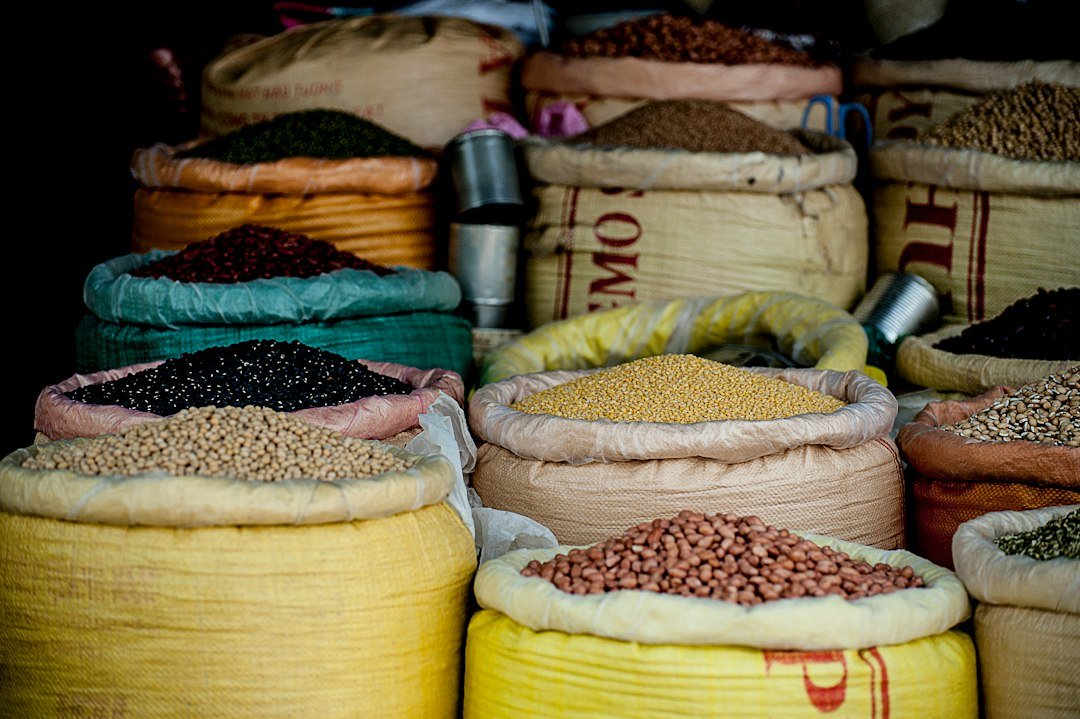
Ask someone what people eat in the world and they’ll probably say rice, bread, potatoes or pasta. They’re not wrong, but the real answer is much more interesting. In one part of the world, the daily foundation is a bowl of rice; somewhere else it’s a mound of maize, a cassava dough, a flatbread, a millet porridge or a boiled plantain.
These are the foods that quietly hold entire food cultures together. They’re called staples, and their story tells us a lot about climate, farming, history, trade and why certain ingredients become so deeply woven into everyday life.
What actually makes a food a staple?
A staple is a food eaten regularly and in enough quantity to provide a substantial share of a population’s energy. It is not necessarily the most exciting thing on the plate. It is the dependable bit that fills you up, stores reasonably well, grows reliably and can be turned into a hundred different meals.
The Food and Agriculture Organization points out that more than 50,000 plant species are edible, but a relatively small number dominate the global food supply. Its widely cited overview notes that just 15 crops provide around 90 per cent of the world’s food energy, with rice, maize and wheat accounting for roughly two-thirds. That’s an extraordinary amount of responsibility resting on three plants.
Rice: the daily centre of the plate
Across much of East, South and Southeast Asia, rice is more than a side dish. It is the meal’s foundation. Think of steamed rice with Chinese stir-fries, Japanese rice bowls, Korean bapsang, Indonesian nasi, Thai curries, Vietnamese cơm and the countless regional rice dishes of India and Bangladesh.
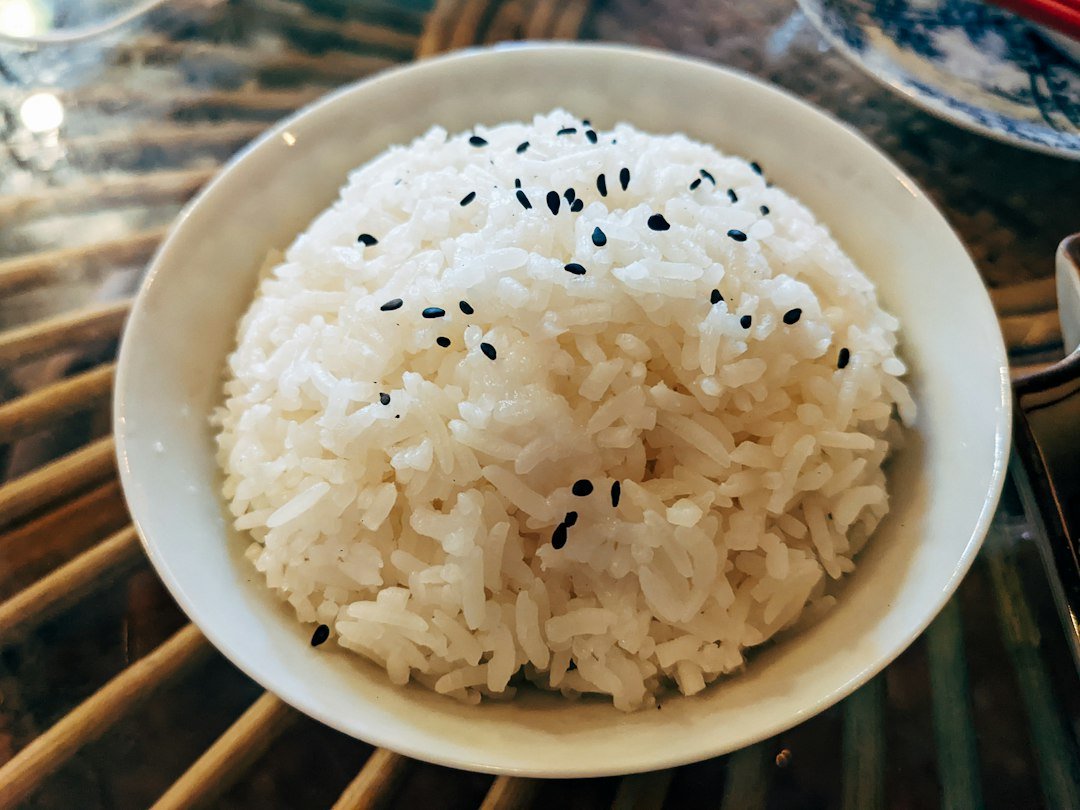
Rice thrives in warm environments and, where irrigation and water are available, can produce substantial harvests from relatively small areas. There are dryland rice systems too, but the flooded paddy is the image most people recognise. The crop’s ability to support dense populations helped shape landscapes, labour patterns and entire cuisines.
At a glance: the world’s everyday staples
| Staple | Where it is especially important | Why it works | Familiar forms |
|---|---|---|---|
| Rice | East, South and Southeast Asia | High yields in warm, water-rich growing systems | Steamed rice, nasi, rice bowls |
| Wheat | Europe, North Africa, West and Central Asia | Stores well and can be milled into versatile flour | Bread, noodles, pasta, bulgur |
| Maize | Americas and much of sub-Saharan Africa | Adaptable crop with many local varieties | Tortillas, polenta, ugali, sadza |
| Millet and sorghum | Sahel, East Africa and parts of South Asia | Useful in hot, dry and variable climates | Porridges, flatbreads, fermented foods |
| Cassava and other roots | Tropical Africa, Latin America and parts of Asia | Reliable energy crops in many tropical environments | Fufu, gari, tapioca, boiled roots |
These are broad patterns, not exclusive growing zones. Trade, irrigation, migration and changing diets have carried staples far beyond their places of origin.
A world of everyday staples
Broad patterns of importance, not exclusive growing zones
Regions overlap and crops travel. The coloured areas are explanatory, not crop boundaries or a measure of production.
Wheat: the grain that became bread
Wheat has deep roots in the Fertile Crescent of Southwest Asia, where early farming communities began cultivating it thousands of years ago. Its great culinary trick is gluten: when wheat flour is mixed with water and worked, it forms an elastic network that traps gas and makes risen bread possible.
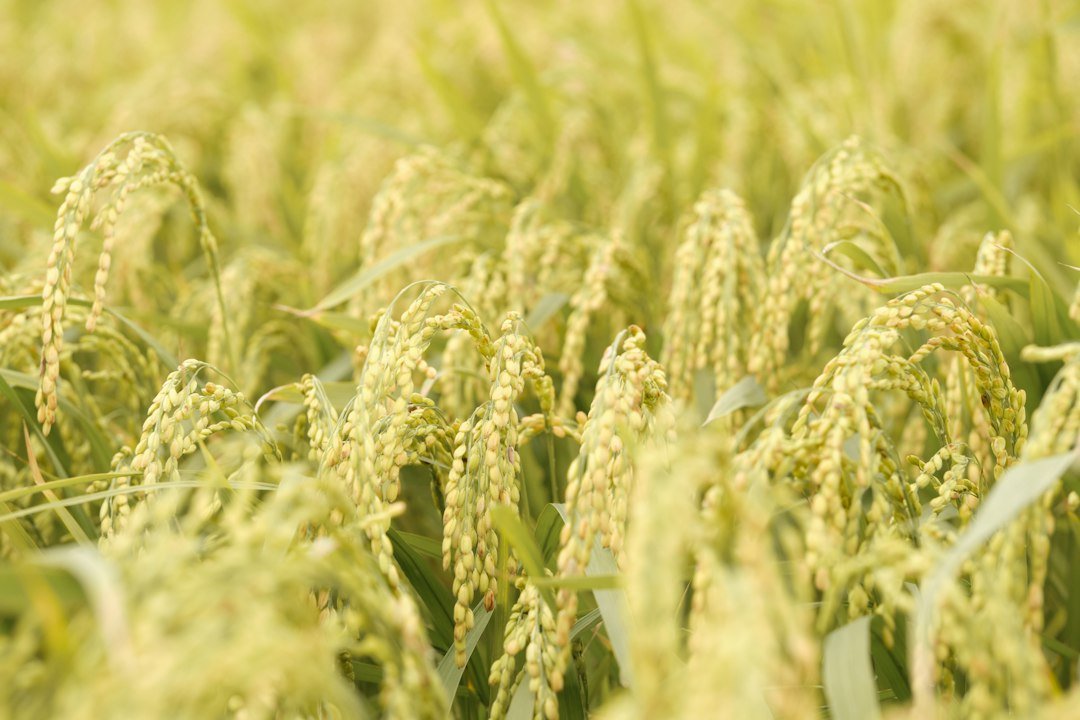
That one property helped give us an astonishing range of foods: flatbreads, sourdough loaves, noodles, dumplings, pasta, pastries and biscuits. Wheat became central across Europe, North Africa, West and Central Asia, and parts of South Asia. A grain with a very impressive passport.
Maize: from Mesoamerica to the world
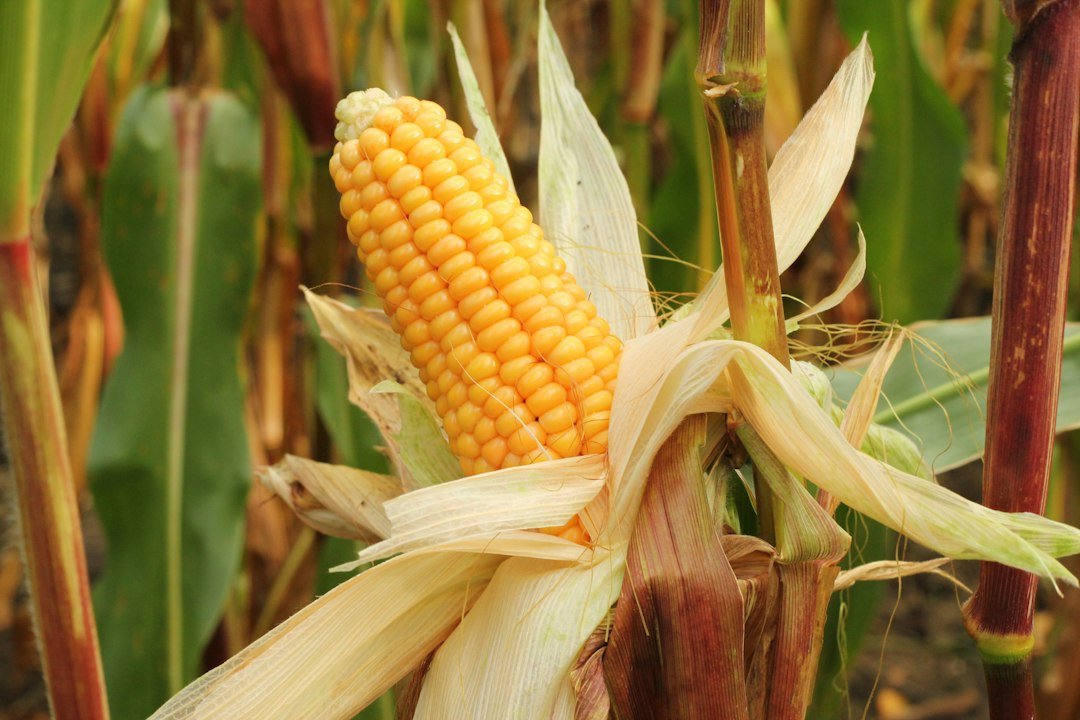
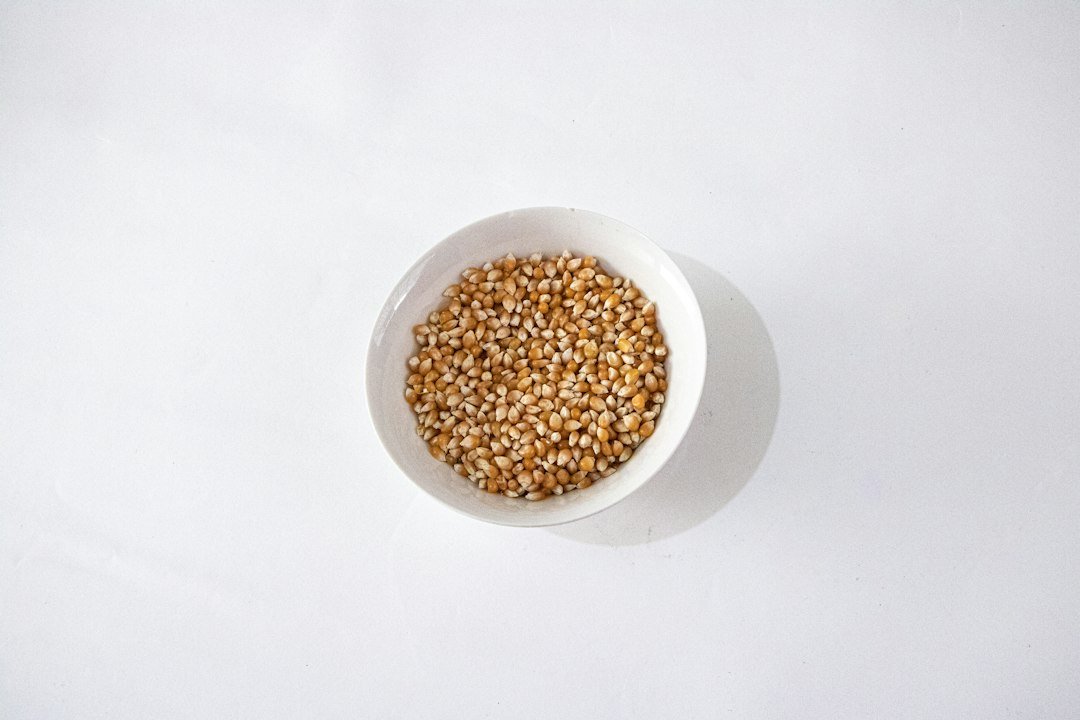
Maize was domesticated in what is now Mexico from a wild grass called teosinte, roughly 9,000 years ago. It became central to Indigenous societies across the Americas long before it travelled to Europe, Africa and Asia after the arrival of Europeans in the Americas.
In Mexico and Central America, maize is transformed into tortillas, tamales, pozole and countless other foods. In parts of southern and eastern Africa it becomes ugali, sadza or nshima; in the Balkans, a cornmeal porridge; in Italy, polenta. Same crop, different kitchens.
Millet and sorghum: the tough customers
Millets and sorghum deserve far more attention than they get in the global supermarket aisle. These crops are important across parts of Africa and Asia, and many varieties cope well with heat, limited rainfall and less fertile soils. In places where a thirsty crop would be a risky bet, these grains can be a sensible one.
Millet appears as porridge, flatbread, steamed grain and fermented food. Sorghum can be milled into flour, cooked as a grain, fermented into drinks or used in traditional porridges. Ethiopia’s teff, used for injera, is another remarkable small grain adapted to local conditions.
Cassava, yam, taro and potato: the underground powerhouses
Not every staple grows on a stalk. Roots and tubers provide the everyday energy for huge numbers of people, particularly in tropical and subtropical regions. They’re often productive, can be stored in different ways and turn into satisfying meals with relatively little fuss.
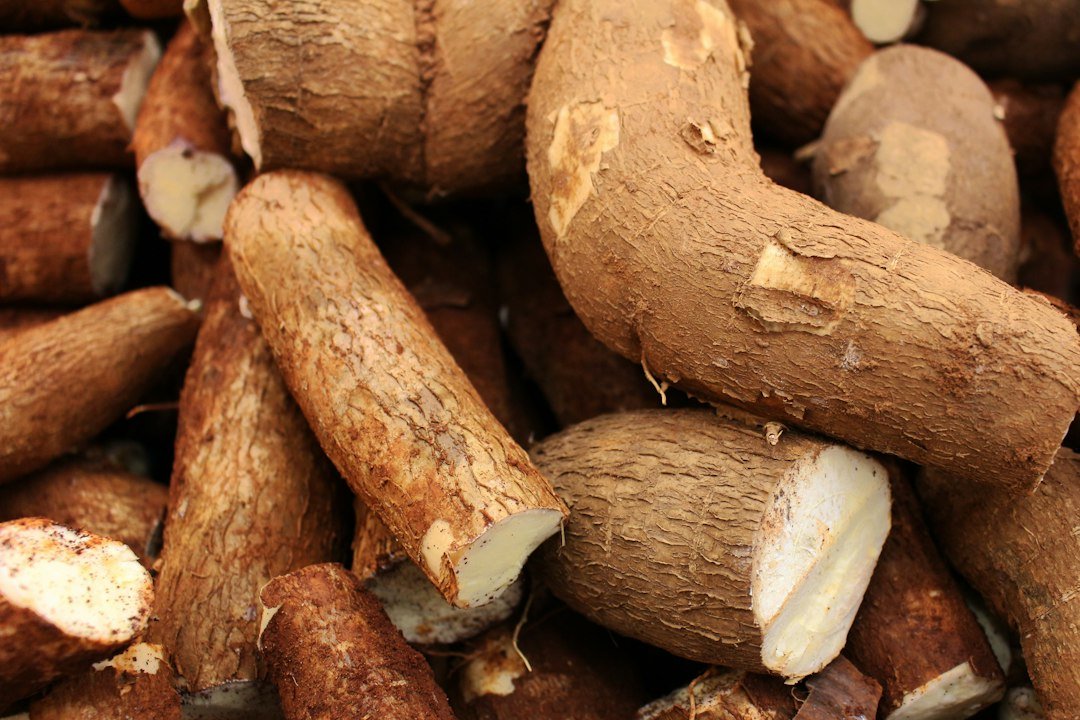
- Cassava: native to South America and now a major staple across much of tropical Africa, as well as parts of Asia and Latin America. It becomes fufu, gari, tapioca and many regional dishes. It must be properly processed and cooked because some varieties contain cyanogenic compounds.
- Yam: especially important in West Africa, where it is pounded, boiled, roasted or made into dishes such as yam porridge.
- Taro: a foundational crop in many Pacific Island food cultures and parts of Asia and Africa, eaten boiled, baked or mashed.
- Potato: domesticated in the Andes and later carried around the world. It became a major food in Europe and beyond because it grows in a range of climates and produces a substantial harvest.
- Sweet potato: widely grown across tropical and subtropical regions, eaten roasted, boiled, mashed or incorporated into savoury and sweet dishes.
Plantain, bananas and the other everyday foundations
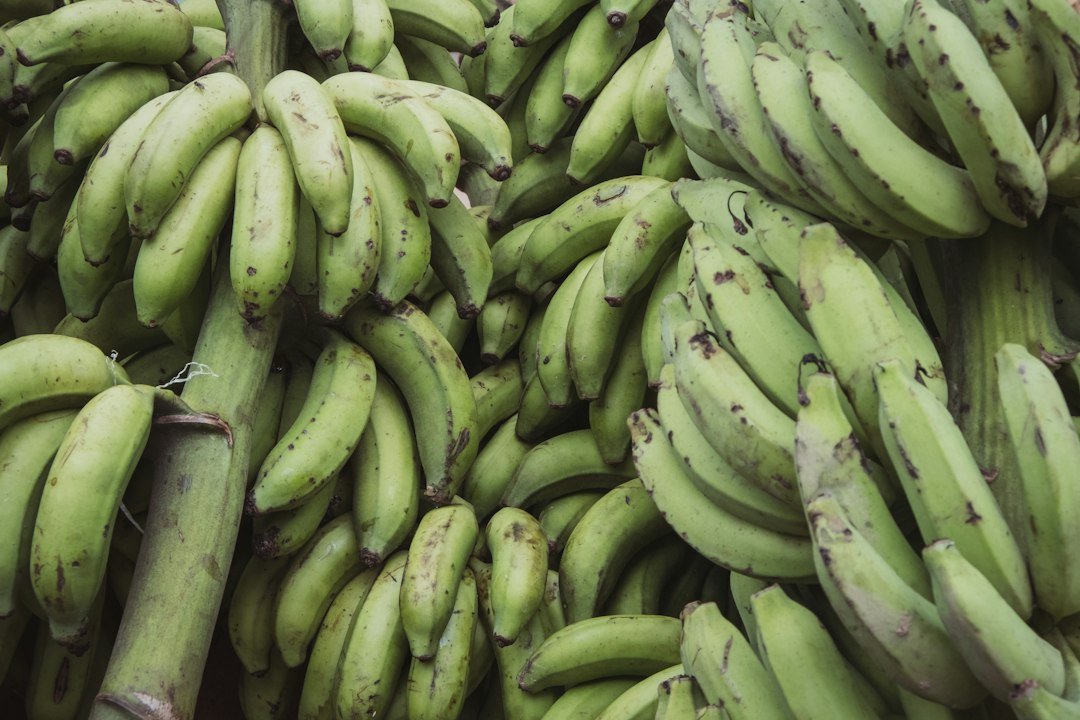
In parts of West and Central Africa, the Caribbean and Latin America, plantain is a serious staple. Green plantain is starchy and behaves more like a vegetable; ripe plantain becomes sweeter and caramelises when fried or roasted. It can be boiled, mashed, pounded or turned into chips.
In the Pacific and Southeast Asia, bananas, breadfruit and sago have all played important roles in local food systems. These foods remind us that a staple doesn’t have to be a cereal. It simply needs to be dependable, familiar and central to the way people eat.
Why did different places settle on different staples?
There isn’t one reason. Staples are the result of a long conversation between people and their environment. Climate matters, but so do soils, water, storage, labour, tools, taste, trade and the crops people learned to grow over generations.
- Climate and water: rice suits warm, wet systems; wheat thrives in many temperate and semi-arid regions; sorghum and millet are valuable in hotter, drier places.
- Storage: dried grains and flours can be stored for months, helping households bridge seasons and survive poor harvests.
- Yield and reliability: a crop that produces a dependable harvest under local conditions can be more useful than one with a higher theoretical yield but greater risk.
- Preparation and culture: once a community develops mills, ovens, recipes and preferences around a crop, that knowledge becomes part of everyday life.
- History and trade: crops travelled with migration, commerce, conquest and colonisation. The Columbian Exchange moved maize, potatoes and cassava from the Americas to other continents, while wheat and rice travelled in other directions.
Staples aren’t the whole diet
A staple supplies energy, but no single staple gives us everything we need. Rice with lentils, maize with beans, flatbread with chickpeas, cassava with fish and vegetables: these combinations bring different nutrients, flavours and textures to the table.
How a crop becomes a staple
Climate, soil and water make the crop reliable.
It provides energy and can be stored or harvested regularly.
Tools, recipes, trade and habit turn it into everyday food.
And staples change. As transport, trade, urbanisation and incomes shift, people gain access to foods that once belonged to another region. Quinoa is now familiar far beyond the Andes; potatoes are everyday food in countries where they were once unknown; wheat bread is eaten in places where rice or millet used to dominate.
A staple is not just what fills the stomach. It is what a place has learned to grow, store, cook and share.
So next time you sit down to rice, bread, potatoes or a bowl of cassava, spare a thought for the extraordinary journey behind it. The world’s everyday foods are anything but ordinary.
Further reading
FAO: Staple foods, what do people eat? – a useful overview of the world’s main staple foods and why a small number of crops provide so much of our food energy.
FAO: Traditional food crops in Africa – explains why cassava, yam, plantain, sweet potato, millet and sorghum are important in local food systems.
Environmental constraints and diffusion shaped the global transition to food production – open-access research on the independent origins and spread of crops around the world.
Adaptation and the Geographic Spread of Crop Species – a research review following the movement and adaptation of wheat, rice and maize over thousands of years.