Pistachios Aren’t Actually Nuts. Here’s What They Really Are
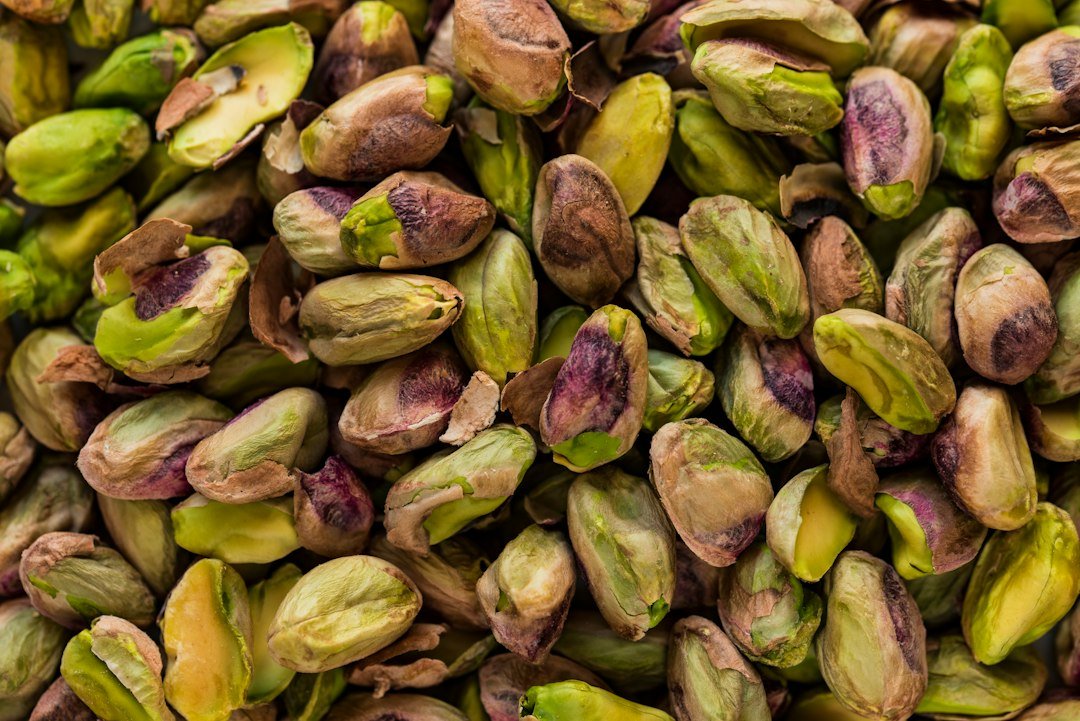
Crack open a pistachio, pop out the green bit and you probably call it a nut. Fair enough. It lives in the nut aisle, goes into nut mixes and makes a terrific ice cream. Botanically, though, pistachios are not true nuts. They are seeds from a fruit called a drupe, which puts them in rather different company from hazelnuts and acorns.
Before anyone gets upset, this is not a campaign to rename the snack aisle. Culinary language and botanical language do different jobs. But the science is genuinely interesting.
What counts as a true nut?
In botanical terms, a true nut is a dry fruit that does not split open when ripe and contains a seed inside a hard wall. Hazelnuts and acorns are familiar examples. The shell is part of the fruit itself.
So what is a pistachio?
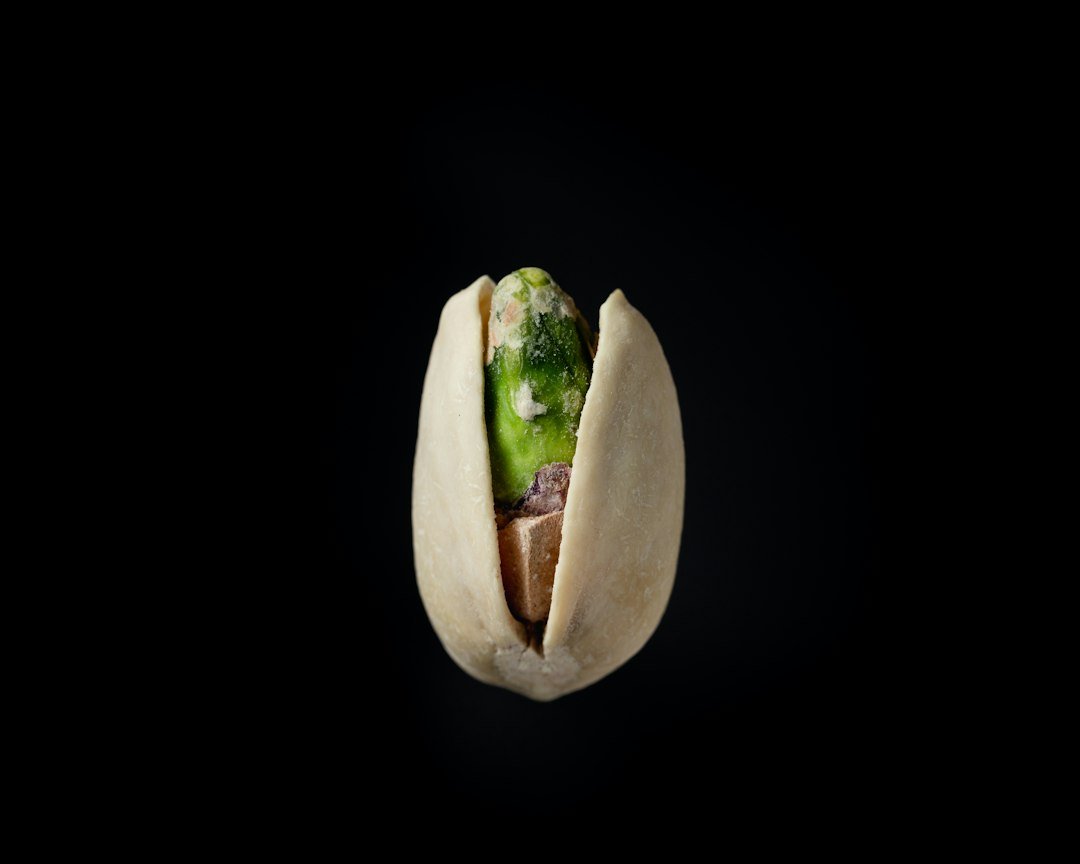
The pistachio tree, Pistacia vera, produces a small fruit. The outer fleshy layer surrounds a hard shell, and inside that shell is the edible seed we eat. Fruits with a fleshy outer layer and a hard inner stone or shell are known as drupes. Peaches, cherries, olives and mangoes are also drupes, although with those we usually eat the flesh rather than the seed.
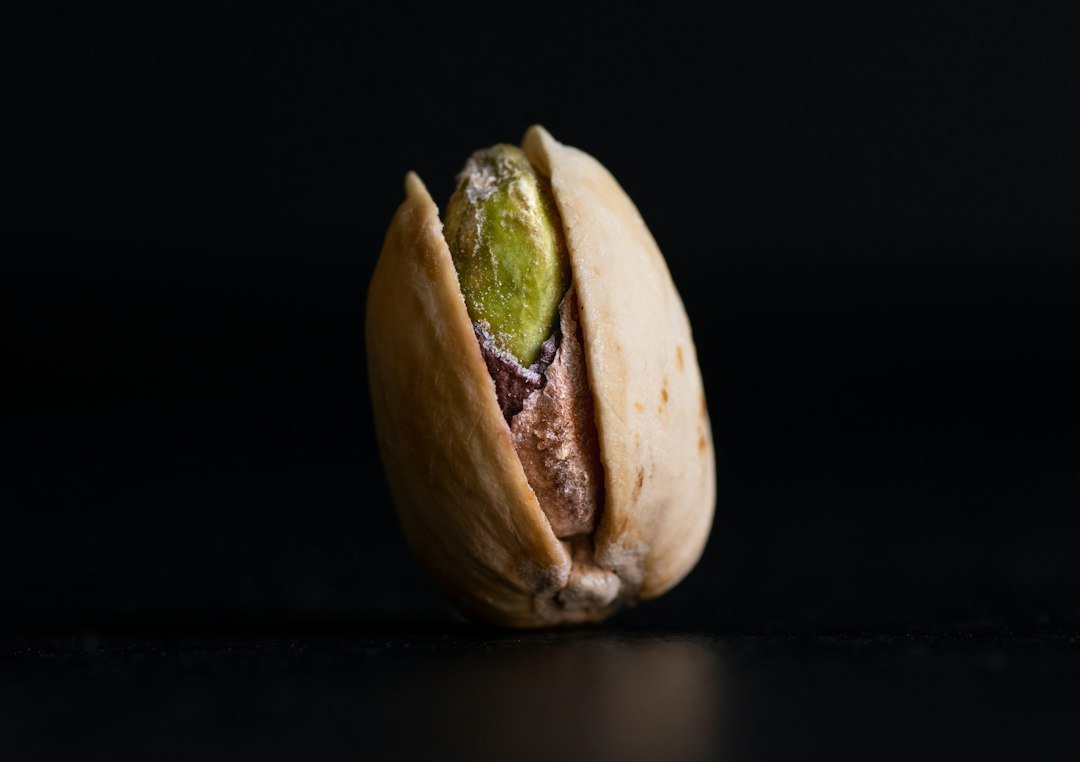
In a pistachio, the edible part is the seed. The shell splits naturally as the fruit ripens, which is why the familiar nut is so easy to open.
Related to mangoes and cashews?
Yes. Pistachios belong to the Anacardiaceae family, which also includes cashew, mango and sumac. That family connection is one reason the pistachio is botanically closer to those plants than to a hazelnut. It is also why people with certain plant allergies may need to pay attention to cross-reactivity, although individual allergy advice should always come from a qualified clinician.
Peanut, almond, walnut: the nut aisle is a botanical muddle
- Peanuts: legumes, related to peas and beans. They develop underground in pods.
- Almonds: seeds inside the stone of a drupe, related botanically to peaches.
- Cashews: the edible seed attached to the outside of a cashew apple, also a drupe.
- Walnuts and pecans: commonly called nuts, but their botanical classification is more complicated than the everyday label suggests.
- Hazelnuts and chestnuts: examples of true botanical nuts.
Does this change how you should eat pistachios?
Not one bit. Pistachios remain a useful source of unsaturated fats, fibre, protein and minerals. Whether you call them nuts or seeds, they are delicious sprinkled over salads, folded through rice, crushed into sauces or eaten straight from the shell.
The pistachio is a nut in the kitchen, a seed in the fruit and a drupe in the botanist’s notebook.
So next time someone tells you pistachios are not nuts, you can nod knowingly, explain the drupe, and then get back to eating them. Preferably before the bowl disappears.
Further reading
McGill University: Cashews and almonds aren’t technically nuts – a clear explanation of botanical nuts, drupes and seeds.
Iran Pistachio Association: About pistachios – the plant’s botanical family and growing conditions.