Chicken Tikka Masala: The Dish Britain Made Its Own
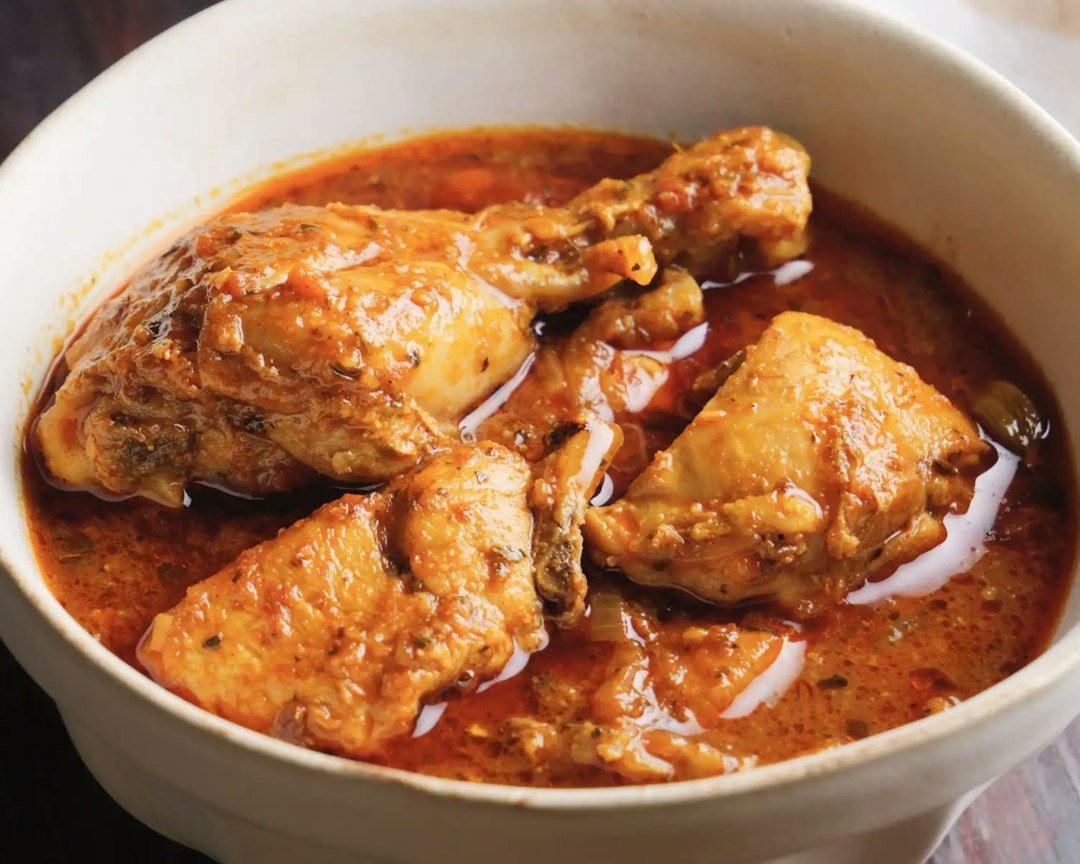
I remember the first time somebody told me chicken tikka masala was Britain’s national dish. I thought they were winding me up. Then I looked around and realised how many curry houses had it on the menu, usually in a sauce the colour of a traffic cone.
Love it or loathe it, the dish has become part of Britain’s food story.
Tikka meets masala
Chicken tikka starts with pieces of chicken marinated with spices and often yoghurt, then cooked at high heat. Traditionally, that means a tandoor, which gives the meat charred edges and a smoky flavour. The masala sauce is where the British restaurant versions take their own direction.
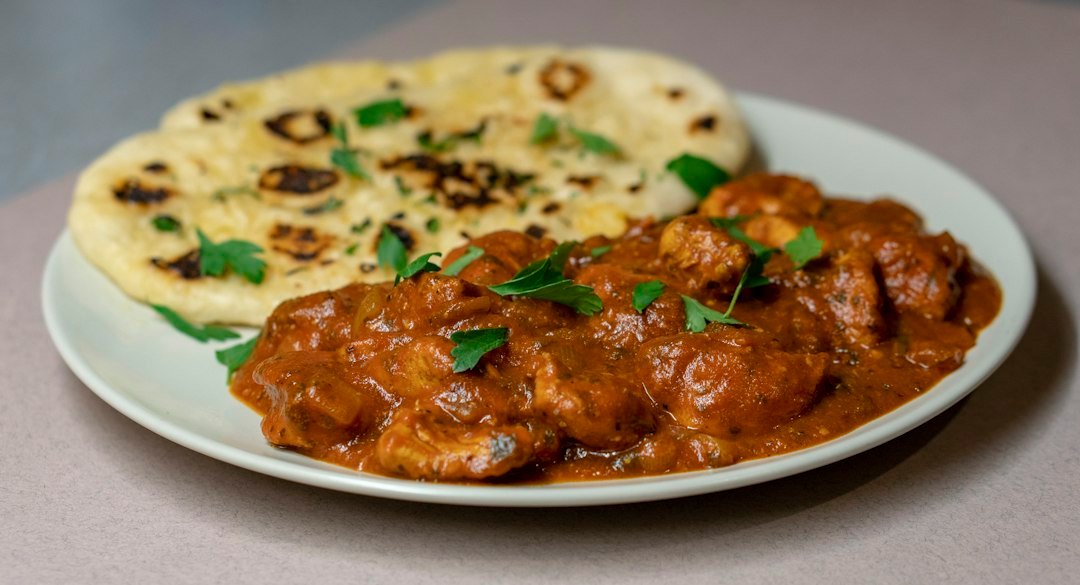
It is often tomato-rich, creamy, mildly spiced and sometimes quite sweet.
The Glasgow story
One famous origin story places chicken tikka masala in Glasgow in the 1970s. A chef is said to have adapted chicken tikka with a creamy tomato sauce after a customer complained that the meat was too dry. It’s a good story, and Glasgow has certainly claimed the dish, but the evidence isn’t conclusive.
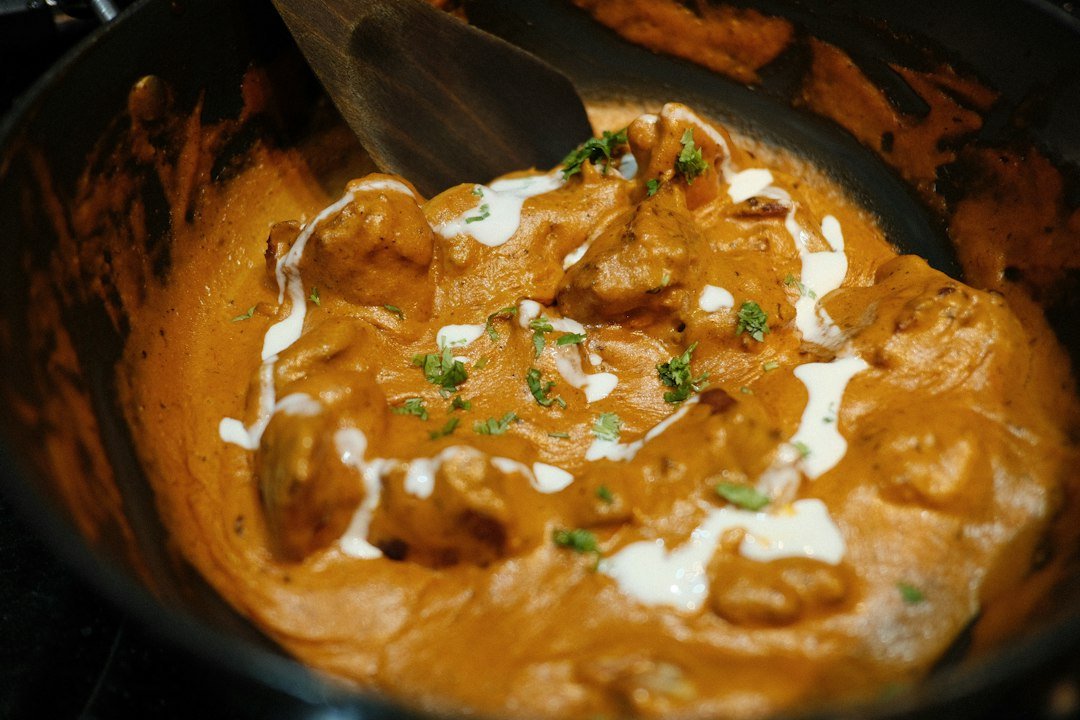
Similar dishes may have evolved in several kitchens as South Asian restaurants adapted their menus for British customers.
That’s not unusual. Food rarely has a neat birth certificate. Cooks borrow techniques, use what is available and respond to the people they’re feeding.
The result can become a classic without one person inventing it in a single flash of inspiration.
A dish with more than one identity
Chicken tikka masala draws on South Asian cooking traditions but has a distinctly British restaurant identity. It sits alongside balti, madras and other dishes shaped by migration and the development of British Indian restaurants. The versions vary enormously.
Some are tangy, some rich, some fiery, and some are frankly too sweet for my taste.
My advice is to judge it on the cooking, not the colour. Good chicken should be properly seasoned and cooked with care. The sauce should have balance, not just cream and sugar doing all the heavy lifting.
And if you like it, enjoy it.
Food history isn’t a competition.
Further reading
- Empire, Food and the Diaspora: Indian Restaurants in Britain — An academic study of migration, curry houses and the development of South Asian restaurants in Britain.
- Going for an Indian: South Asian Restaurants and the Limits of Multiculturalism in Britain — Elizabeth Buettner explores how South Asian restaurant food became part of British social life.
Featured photograph: Kalindu Waranga / Unsplash.