The Poison on Your Plate: 12 Toxic Things Humans Actually Eat and Drink
Food is supposed to nourish us. That is the arrangement, generally speaking. Yet some of the ingredients people have eaten for centuries contain chemicals that can make you seriously ill, and a few can kill you if they are handled badly. Not exactly what you want from supper.
We are not talking about poisonous mushrooms accidentally picked on a woodland walk or a dodgy takeaway left in the car overnight. These are recognisable foods: potatoes, beans, cassava, fruit, fish and even honey. In the right circumstances they are perfectly legitimate things to eat. In the wrong circumstances, they become a rather different proposition.
The interesting bit is that many of these foods are not dangerous because somebody has contaminated them. The toxin is already there, produced by the plant or animal itself. Cooking, processing, ripeness and knowing which part to eat can make all the difference.
Plants do not exist to feed us
Plants have spent millions of years developing ways to avoid being eaten. Some grow thorns, some taste dreadful, and some make chemicals that interfere with the biology of whatever takes a bite. Animals and marine organisms have their own chemical defences too.
Humans, being humans, have found ways to turn many of these foods into staples. We soak, ferment, dry, peel, boil, cure and carefully select. Food traditions often contain generations of practical knowledge about making an ingredient safe, even when the science behind it was not understood.
The important distinction
A food containing a natural toxin is not automatically unsafe. The risk depends on the toxin, the amount present, the part of the food, how it was grown or harvested, and how it has been prepared. The examples below are not a reason to avoid these foods when they are sold and prepared through proper food-safety systems.
1. Cassava: a staple with a cyanide problem
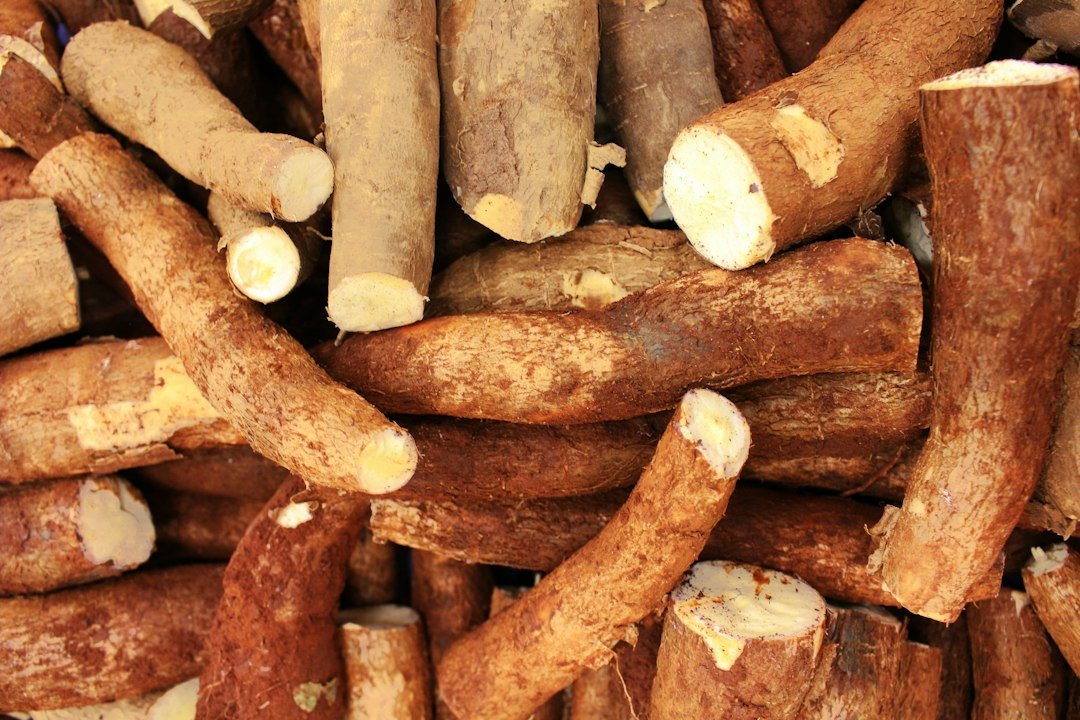
Cassava, also known as yuca or manioc, is a major source of calories for hundreds of millions of people, particularly in parts of Africa, Asia and Latin America. It is turned into flour, flatbreads, dumplings, starch, chips and all sorts of everyday food. It is also a plant that can contain cyanogenic compounds.
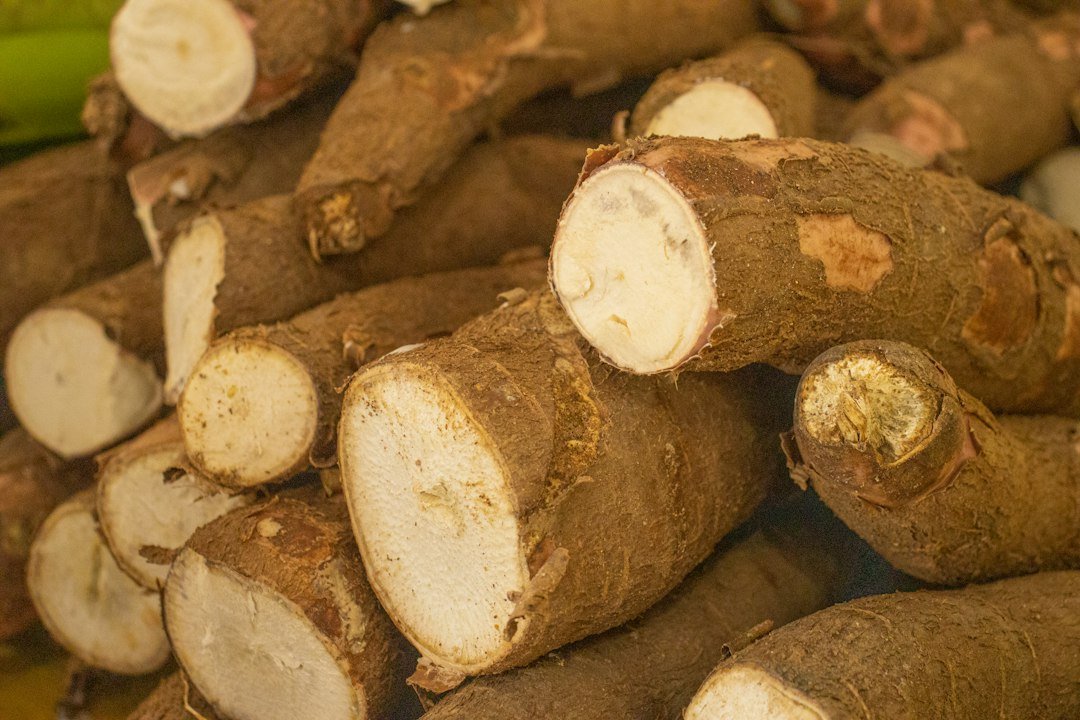
These compounds are called cyanogenic glycosides. When the plant tissue is damaged or processed, they can release hydrogen cyanide. The amount varies considerably between varieties and growing conditions, which is one reason cassava processing is not something to improvise from a quick internet recipe.
Traditional methods can involve peeling, grating, soaking, fermenting, drying and cooking. The precise combination depends on the type of cassava and the food being made. Proper processing reduces the cyanide risk; simply assuming that a bit of boiling will sort every variety is not good enough.
There is a sobering side to this. In communities where cassava is a vital staple, poor processing or food insecurity can increase exposure. The problem is not that people eat cassava. It is that safe preparation takes time, water, knowledge and the right conditions.
2. Red kidney beans: the slow-cooker trap
Here is one that might make you look twice at the cupboard. Raw red kidney beans contain a lectin called phytohaemagglutinin. Eat enough of it and you can be rewarded with violent nausea, vomiting and diarrhoea. A very poor return on a bowl of beans.
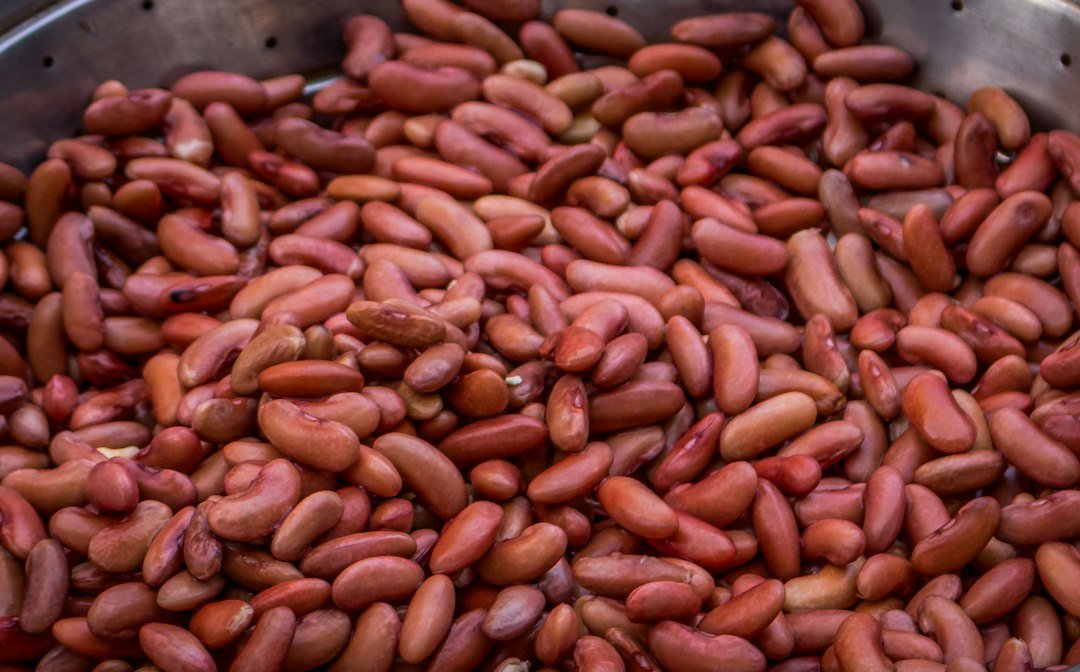
The useful thing is that this toxin is destroyed by proper cooking. The World Health Organization advises soaking dried kidney beans for at least 12 hours, discarding the soaking water, then boiling them vigorously in fresh water for at least 10 minutes before continuing with the recipe. Follow the packet instructions too, particularly if they give a longer cooking time.
And here is the trap: do not put raw dried kidney beans straight into a slow cooker. Low-temperature cooking may not destroy the lectin, which is why Health Canada specifically advises against using slow cookers for dried red kidney beans. Tinned kidney beans have already been heat-treated and are safe to use as they come, although you might want to rinse them for the recipe.
3. Potatoes: when green is not a good sign
A potato is hardly an exotic ingredient. It is one of the most ordinary things in the kitchen. But potatoes produce natural toxins called glycoalkaloids, mainly solanine and chaconine, as part of their defence system.
Levels are usually low in sound potatoes. They can be higher in potatoes that have turned green, sprouted or become damaged, particularly around the skin and sprouts. High exposure can cause nausea, vomiting, diarrhoea and, in more serious cases, neurological symptoms.
The green colour itself is chlorophyll, which is not poisonous. It is a warning sign that the potato has been exposed to light, conditions that can also encourage glycoalkaloid production. Peeling and cooking can reduce some of these compounds, but they are not a magic rescue operation for a badly green or sprouting potato.
Kitchen rule
Store potatoes somewhere cool, dry and dark. If a potato is extensively green, heavily sprouted, shrivelled or tastes bitter, do not try to save it. Bin it. A few pence of potato is not worth a night with food poisoning.
4. Ackee: Jamaica’s national fruit, with a very strict rule
Ackee and saltfish is Jamaica’s national dish, and properly prepared ackee is deliciously mild, rich and almost scrambled-egg-like in texture. But the fruit has a serious catch: unripe ackee contains hypoglycin A, a toxin that can cause a dangerous drop in blood sugar.
The edible part is the pale yellow flesh, known as the aril, of a naturally ripened fruit that has opened on the tree. The seeds, rind and unripe fruit are not safe to eat. And unlike some plant toxins, hypoglycin A is heat-stable. Cooking does not make unripe ackee safe.
That is why properly harvested and processed ackee matters. Commercial canned ackee from reputable producers is the sensible choice if you are not familiar with the fruit. This is not an ingredient to experiment with after watching half a cooking video.
5. Pufferfish: dinner with a potentially fatal ingredient
In Japan, fugu is a prized dish made from pufferfish. The problem is tetrodotoxin, an extremely potent neurotoxin that can be present in the fish’s organs and, depending on the species, other tissues. It can cause tingling, weakness, paralysis and respiratory failure.
There is no reliable home-cooking trick that makes a poisonous pufferfish safe. Tetrodotoxin is not destroyed by ordinary cooking. In Japan, the preparation of fugu is subject to strict training and licensing requirements, with poisonous parts removed by qualified specialists.
It is a remarkable example of culinary skill and risk management, but let us be clear: this is not a challenge for the adventurous home cook. Leave it to properly licensed professionals, and only eat it where it is legally and safely prepared.
6. Honey: when the bees bring back something unexpected
Honey has a wholesome reputation. Golden, natural, soothing, probably wearing a little knitted jumper in the collective imagination. But some honey can contain grayanotoxins, picked up when bees collect nectar from certain rhododendron species.
This is sometimes called mad honey, and it has a history in parts of Turkey and the Himalayan region. Eating enough can cause nausea, vomiting, dizziness, a slow heart rate and low blood pressure. Serious cases can require medical treatment.
It is unusual, and ordinary commercially produced honey is not generally a concern. The lesson is simply that natural does not mean harmless, and unusual wild or locally produced products deserve a little more scrutiny than the jar on the supermarket shelf.
7. Bitter almonds and apricot kernels: the danger hiding in the stone
Sweet almonds are familiar, safe foods. Bitter almonds are a different matter. So are apricot kernels, which are sometimes promoted online as a health food despite containing amygdalin, a cyanogenic compound that can release cyanide when eaten.
That is why bitter almonds are not sold as an ordinary snack, and why eating apricot kernels is not a clever nutritional shortcut. The amount of cyanide released can vary, making it difficult for someone at home to judge a safe quantity. The European Food Safety Authority has specifically warned about the risk from raw apricot kernels.
Apricot flesh is one thing. The kernel inside the stone is quite another. Please do not confuse the two.
So what is the common thread?
These foods are a reminder that cooking is not just about making things taste good. It is also a collection of techniques, passed down and refined, that make ingredients safe to eat. Soaking beans, processing cassava, selecting ripe ackee and knowing which parts of a fish to avoid are not fussy culinary details. They are food safety.
There is no need to become suspicious of your dinner. Properly grown, sourced and prepared, these foods feed millions of people perfectly safely. But if a recipe tells you to skip an established preparation step, or a social media post suggests eating a raw kernel because it is supposedly medicinal, a little scepticism is healthy.
Some of the world’s most beloved foods are safe not because they contain no toxins, but because generations of cooks learned how to deal with them.
Alcohol: the poison we pour into a glass
Let’s start with the one that might make the dinner party go quiet. Alcohol is not merely a drink that can become harmful if you overdo it: the intoxicating ingredient, ethanol, is itself a toxic and psychoactive substance. Your body breaks some of it down into acetaldehyde, a compound that can damage DNA and is carcinogenic. The World Health Organization is clear that no level of alcohol consumption is entirely risk-free, particularly in relation to cancer. That doesn’t mean one glass is the same as a poisoning emergency; it means the risk is real, cumulative and often culturally disguised by the fact that it comes in a nice bottle.
Alcohol belongs in this article for a different reason from fugu or cassava. There is no special chef’s technique that removes the toxin. The dose, frequency and pattern of drinking matter, and less is safer.
Chillies: delicious, until the heat gets out of hand
Capsaicin is the compound that gives chillies their kick. It switches on the same pain-and-heat sensing pathways that tell your body something is burning, which is why a mouthful of a particularly fierce chilli can feel like an electrical fault in your face. In ordinary cooking quantities, that’s the point. But concentrated chilli products and extreme eating challenges can deliver enough capsaicin to cause intense irritation, abdominal pain, nausea, vomiting and, in some cases, breathing or circulatory symptoms.
So no, your vindaloo is not secretly poisoning you. The distinction is dose. Very hot extracts, novelty snacks and chilli challenges are a different proposition from seasoning a curry. Denmark’s food authority has even warned about highly concentrated chilli products marketed for challenges.
Nutmeg: a pinch is lovely, a pile is not
Nutmeg is one of those spices that quietly sits in the cupboard looking harmless. Grate a little into rice pudding, custard or a béchamel and it brings a warm, rounded fragrance. Eat a large quantity, however, and compounds including myristicin can cause poisoning. Reported effects include nausea, a racing heart, agitation, confusion and hallucinations, sometimes lasting for many hours.
This is not a warning to stop using nutmeg in the kitchen. Culinary pinches are a world away from the large doses associated with poisoning. It is a reminder that a spice being natural, familiar and sold next to the cinnamon does not make it harmless in unlimited quantities.
Rhubarb leaves: the crumble is innocent, the leaves aren’t
Rhubarb is a good example of a plant that gives us an edible part and a part best left alone. The tart stalks are cooked into crumbles, pies and jams; the large leaves contain much higher concentrations of oxalates and can cause poisoning if eaten. Symptoms can include burning in the mouth, nausea, vomiting and abdominal pain, while serious exposures can affect the kidneys.
Keep the stalks for pudding and discard the leaves. This is not one to experiment with, and cooking the leaves should not be treated as a way to make them safe.
Elderberries: lovely in syrup, not a handful straight from the bush
Elderflowers make beautiful cordial, and properly prepared elderberries turn up in syrups, jellies and preserves. But raw or unripe berries, along with the leaves and stems, contain cyanide-producing compounds. Eating them can cause nausea, vomiting and severe diarrhoea. Cooking properly processed berries reduces the risk; the important thing is to use ripe berries, remove stems and leaves, and follow a reliable preparation method.
It is a neat reminder that traditional food knowledge often includes practical safety rules that are easy to lose when a recipe gets reduced to a social-media clip.
Further reading
World Health Organization: Alcohol and health – the evidence on alcohol-related harm and cancer risk.
Poison Control: Capsaicin and very hot chillies – symptoms and risks from high capsaicin exposure.
MedlinePlus: Rhubarb leaves poisoning – the toxic compounds found in the leaves.
US National Center for Complementary and Integrative Health: Elderberry safety – why raw or unripe berries and other plant parts can be harmful.
- WHO: Natural toxins in food — A clear overview of plant, fungal and marine toxins, including cassava, kidney beans and potatoes.
- US FDA: Natural Toxins in Food — A useful reference covering ackee, beans, honey and other foods that can contain natural toxins.
- CDC Yellow Book: Toxicities associated with traditional foods — Practical safety information on foods such as ackee, cassava and fugu.
- EFSA: Glycoalkaloids in potatoes — The European food-safety assessment of solanine and related compounds in potatoes.
- Health Canada: Lectins in dry legumes — Clear practical guidance on soaking and boiling dried kidney beans, including why slow cookers are unsuitable.
- EFSA: Apricot kernels pose a health risk — Explains the cyanide risk from amygdalin in raw apricot kernels.