The Science of Crispy Roast Potatoes
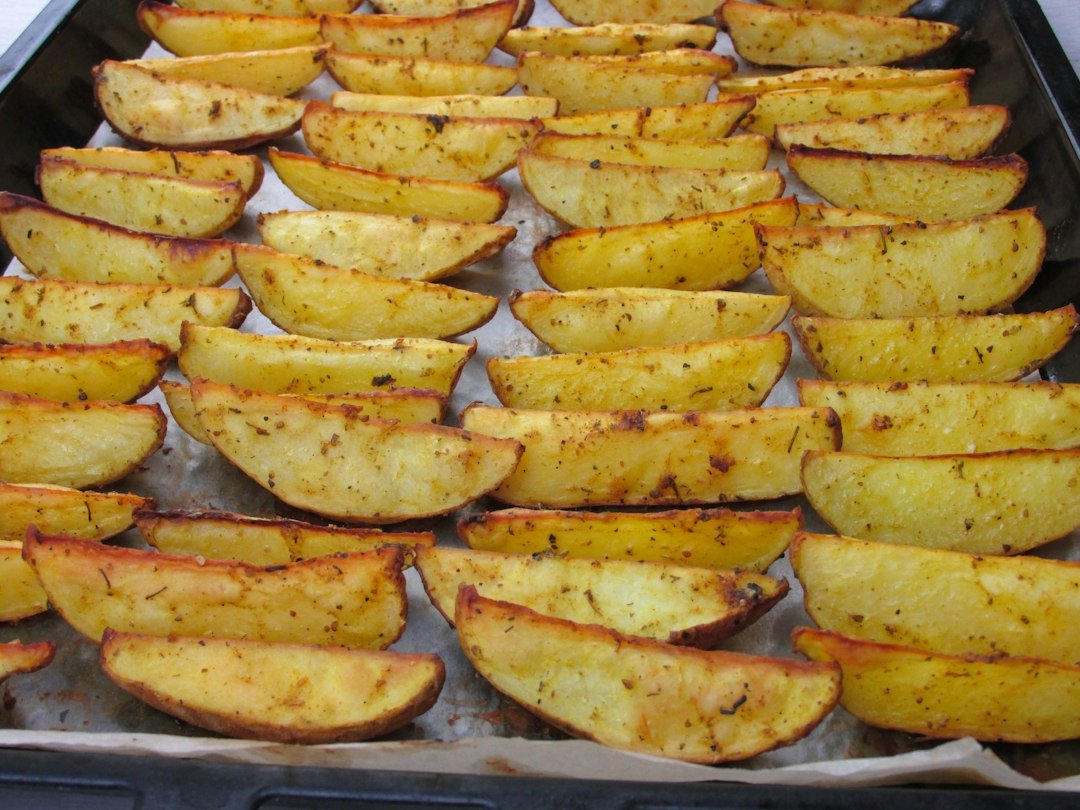
I have strong feelings about roast potatoes. They should be crisp enough to make a little noise when you cut them, with a fluffy middle that practically collapses under the fork. If yours come out pale and soft, don’t blame the oven.
There are a few simple things you can change, and none of them involve buying a £400 air fryer.
Choose a floury potato
Floury varieties such as Maris Piper or King Edward are excellent choices in the UK. They tend to break down a little at the edges when parboiled, giving you a fluffy surface that can crisp beautifully in the oven. Waxy potatoes hold their shape better, which is useful for salads but less ideal if you’re chasing that rugged roastie crust.
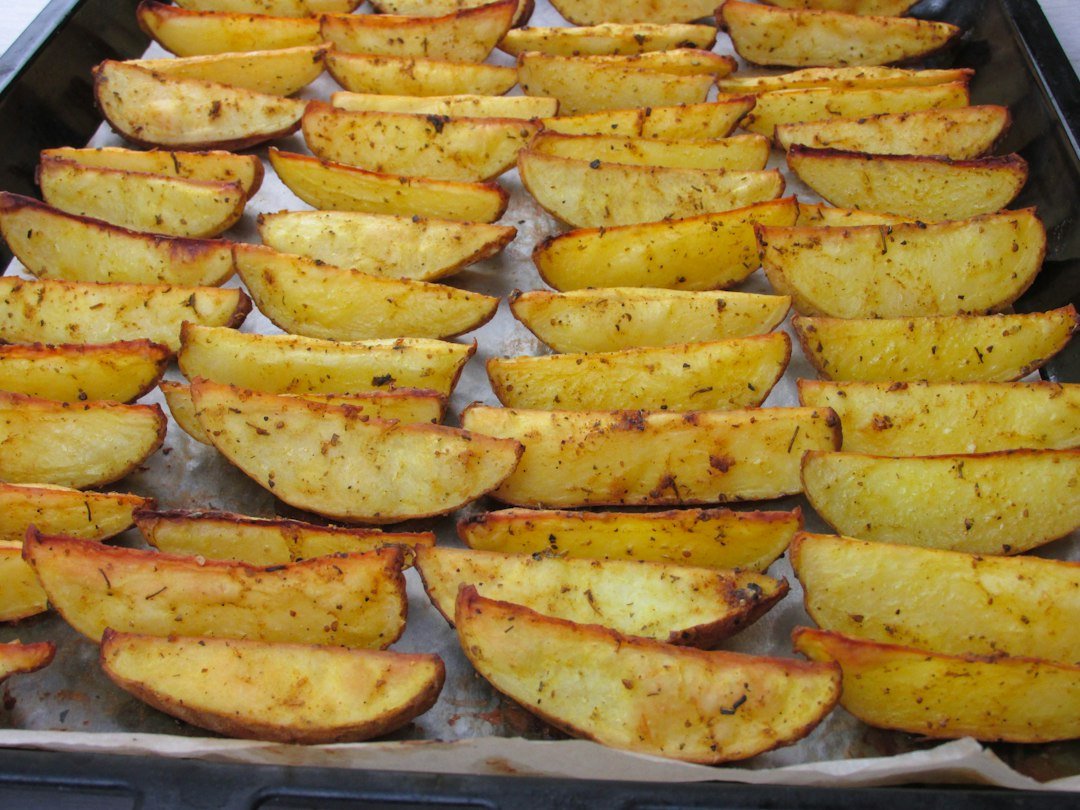
Parboil, drain and rough them up
- Cut evenly: make the pieces a similar size so they cook at roughly the same rate.
- Start in cold salted water: bring to the boil and simmer until the outside is just beginning to soften.
- Drain and steam-dry: leave them in the colander for a minute or two so steam can escape. Wet potatoes don’t crisp as readily.
Give the pan a gentle shake to roughen the edges. Those little fluffy ridges create extra surface area, which helps the hot fat coat the potatoes and gives the oven more texture to work on. Don’t mash them to bits.
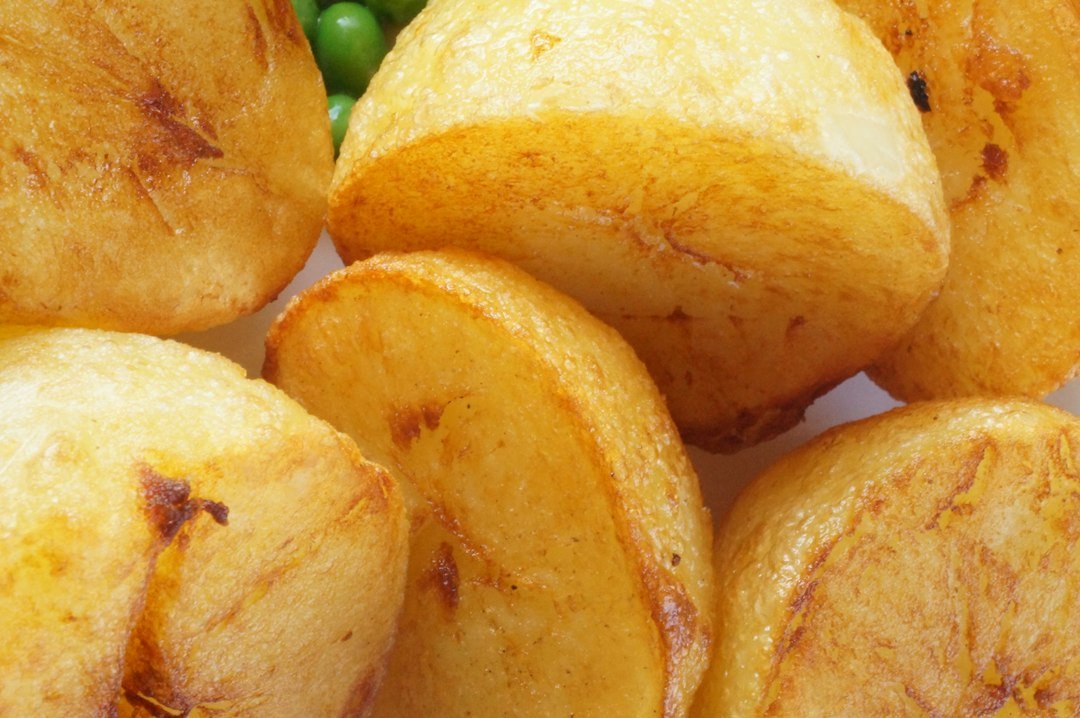
You’re roughing them up, not making potato snow.
Hot fat and enough room
- Preheat the fat: heat your roasting fat in the tray before adding the potatoes.
- Coat and spread: turn the potatoes carefully so they’re coated, then spread them out.
- Give them room: if the tray is packed tight, moisture gets trapped and the potatoes steam. Use two trays if you need to. A little space is worth more than squeezing every last potato onto one sheet.
Roast in a properly hot oven, turning once or twice as the edges colour. Goose fat, beef dripping, duck fat or a good vegetable oil can all work. The choice is yours.
Season well, and don’t be shy with the salt.
The formula is straightforward: floury potatoes, a short parboil, steam-dry, rough edges, hot fat and room to roast.
Get those right and Sunday lunch is already looking better.
A useful point to remember
Further reading
- Transfer of heat and moisture during oven baking of potatoes — A food-science study examining heat movement and starch gelatinisation as potatoes bake.
- For Crispy, Golden Roast Potatoes Every Time — Serious Eats tests how boiling, roughening and drying the surface help create a crisp crust.
Featured photograph: Karyna Panchenko / Unsplash.