Does Eating Fat Actually Make You Fat?
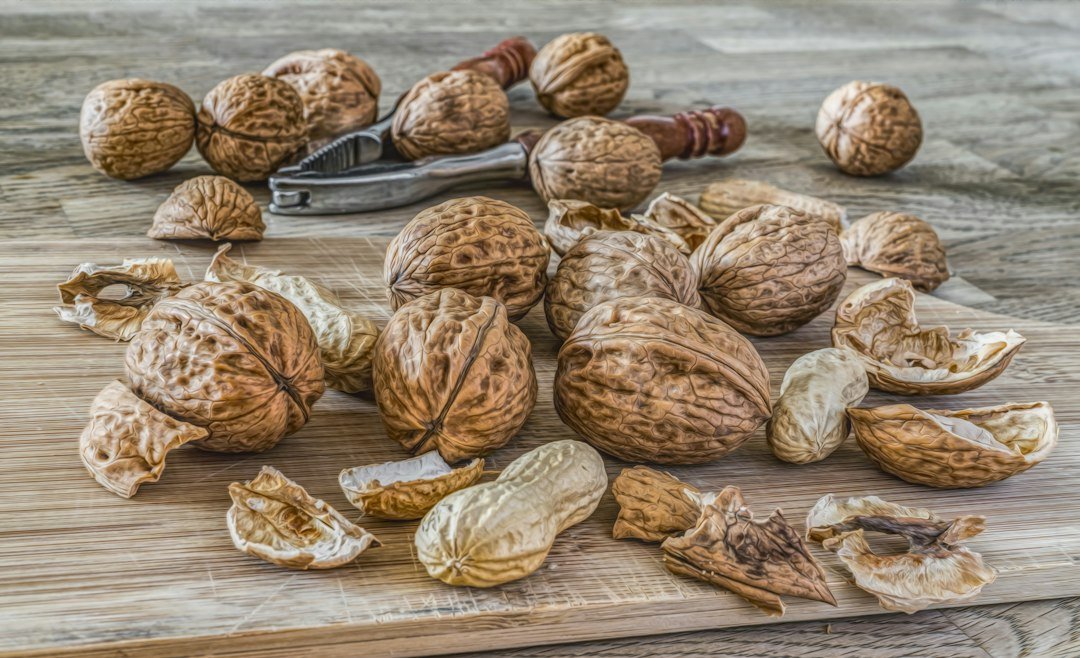
I grew up in the era when everything seemed to come in a low-fat version. Low-fat yoghurt, low-fat spreads, low-fat biscuits. Some of them tasted like sweetened wallpaper paste.
We were told fat was the villain, and the food industry obligingly sold us a lot of products to replace it. The truth is rather less dramatic.
Fat isn’t the enemy
Dietary fat is essential. Your body uses it for energy, cell structures and hormone-related processes, and it helps you absorb vitamins A, D, E and K. Certain fatty acids must come from food because your body can’t make enough of them itself.
So no, cutting out all fat is not a clever plan.
Why portions still matter
Fat provides around nine calories per gram, compared with roughly four calories per gram from carbohydrate or protein. That makes it energy-dense. A generous pour of oil, a handful of nuts or a thick spread of butter can add up quickly.
But energy density isn’t the same as a magical ability to turn directly into body fat.
Body weight is influenced by long-term energy balance, appetite, activity, sleep, genetics, medication and the food environment. A diet full of highly palatable foods can make it easy to eat more than you need. Those foods often combine fat with refined starch, sugar and salt.
It’s the overall pattern that matters, not one nutrient in isolation.
The type of fat matters
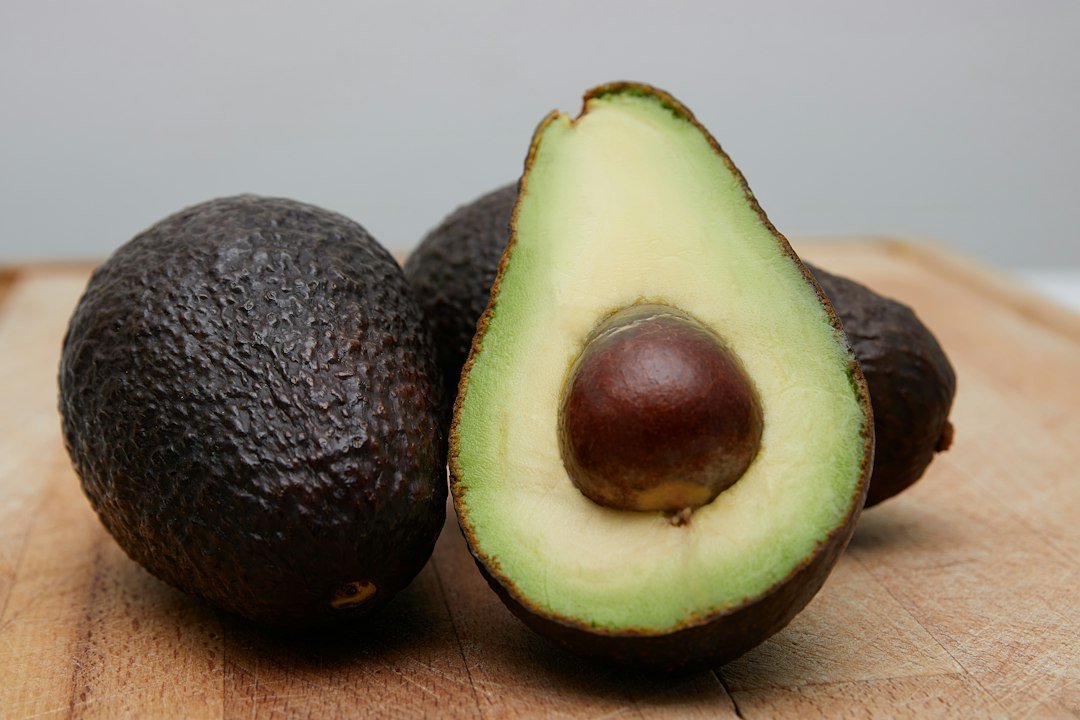
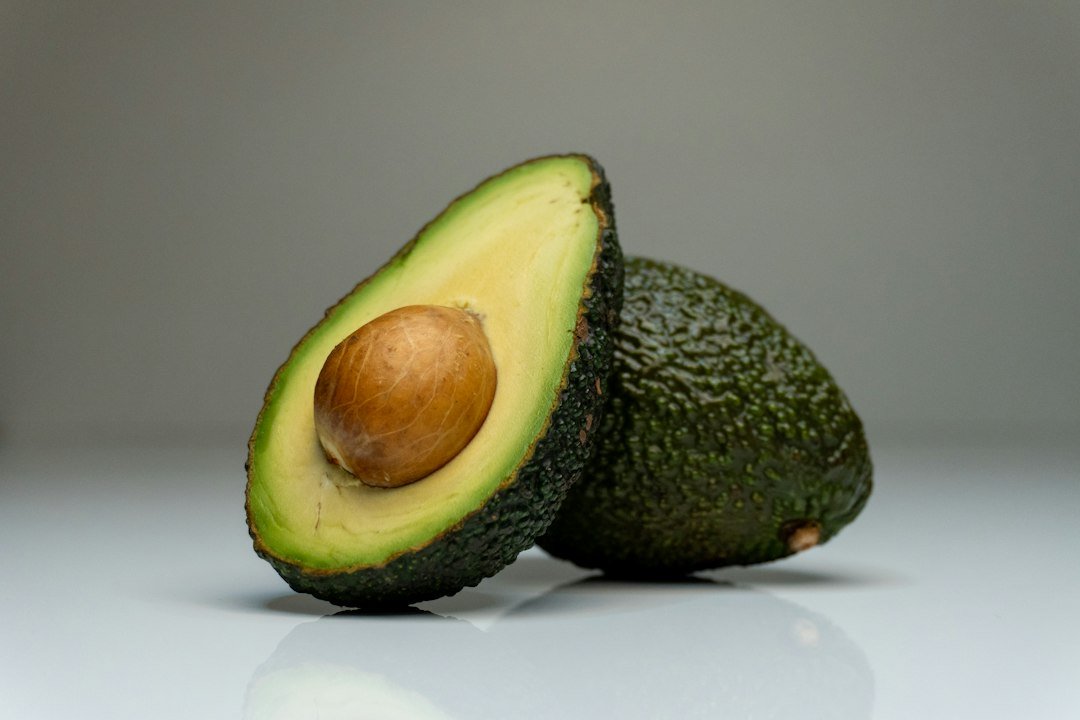
- Unsaturated fats: found in olive oil, rapeseed oil, nuts, seeds, avocado and oily fish. These are generally the better choices for heart health.
- Saturated fat: common in butter, fatty meat and some dairy products, and best kept in check.
- Industrial trans fats: particularly undesirable, although they’ve been reduced in many food supplies.
What I’d actually do
Cook with sensible amounts of good oils, eat nuts and seeds, enjoy your food and don’t fear a bit of fat. Portion sizes matter, but so does satisfaction.
A meal that tastes good and keeps you full is a lot more useful than a miserable plate you raid the biscuit tin after.
Featured photograph: Felix Mittermeier / Unsplash.