The 10 Different Names Food Manufacturers Use for Sugar
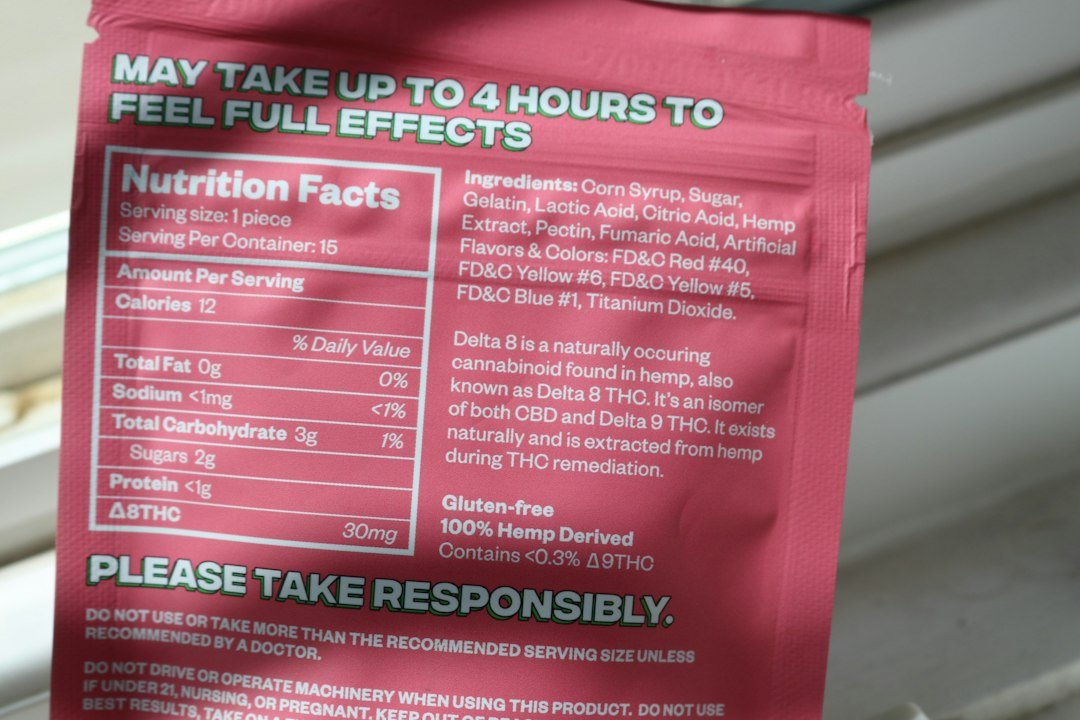
I once spent an irritating five minutes in a supermarket aisle trying to work out whether a jar of sauce was sweetened or not. The label looked like a chemistry revision sheet. That’s the trick with sugar: it doesn’t always introduce itself as sugar.
Sometimes it turns up wearing a different hat.
Why there are so many names
Food manufacturers use different sugars and syrups for different reasons. Some dissolve easily, some help with texture or browning, and some bring sweetness alongside other flavours. A product can contain more than one sweetening ingredient, so looking for the single word “sugar” won’t tell you the whole story.
Names worth recognising
- Keep an eye out for sucrose, glucose, fructose, dextrose, maltose and lactose.
- You’ll also see glucose syrup, corn syrup, invert sugar, honey, agave syrup, rice syrup, molasses, malt extract and fruit juice concentrate.
- They aren’t all identical, and some have different nutritional or culinary properties, but many contribute sugars to the finished food.
A quick point: lactose is naturally present in milk, and fruit contains naturally occurring sugars. Seeing one of these names doesn’t automatically mean a manufacturer has secretly tipped in a bag of table sugar. Context matters.

Read the full ingredients and the nutrition panel rather than jumping to conclusions.
How to read the label properly
- Ingredients list: ingredients appear in descending order by weight. When several sweeteners are used, each can sit lower down the list than sugar would if they were combined.
- Don’t add the numbers up: the ingredient list alone won’t tell you the total amount of sugar.
- Nutrition panel: on UK and EU labels, check “of which sugars” per 100g or 100ml. It includes naturally occurring sugars as well as added ones, so it isn’t a direct measure of added sugar.
- Serving size: compare the amount you actually use. A tablespoon on the packet can become a generous glug at home. We’ve all done it.
My view? Don’t panic over one ingredient. Get into the habit of reading labels, compare like with like, and spend your energy on the overall pattern of what you eat.
That’s a much better use of your time than treating the supermarket like a crime scene.
A useful point to remember
Featured photograph: Elsa Olofsson / Unsplash.