Sumac: The Tangy Red Spice That Deserves a Place Beside Your Pepper
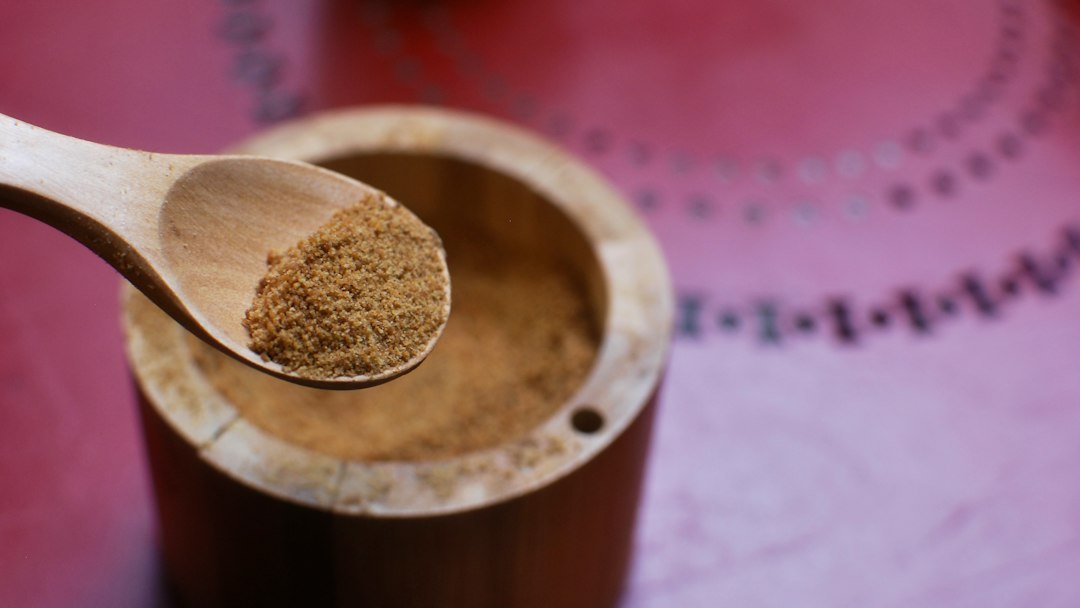
Every spice cupboard has a few jars that get used constantly and a few that are basically decorative. Sumac deserves to be in the first group. It brings a sharp, fruity tang that makes food taste brighter, without turning dinner into a chilli endurance test.
What is sumac?
Sumac is made from the dried, ground berries of certain Rhus shrubs. The culinary variety used across parts of the Middle East and eastern Mediterranean is a deep red-purple powder with a tart, citrus-like flavour. It is not the same thing as the poisonous plants sometimes called poison sumac.

Its acidity is gentler and more rounded than a squeeze of lemon. Think dried fruit, lemon zest and a little savoury depth rather than straight sourness.
How cooks use it
Sumac is often sprinkled over food towards the end of cooking, where its colour and bright flavour stay noticeable. It is a familiar ingredient in dishes such as fattoush and in seasoning blends including za’atar, although recipes vary by region and household.
Sumac is the spice-cupboard equivalent of turning the lights on. It makes flavours look sharper.
Five easy ways to use it
- Red onions: Toss sliced onion with sumac, salt and a little lemon. Leave for ten minutes to soften and mellow.
- Roast vegetables: Sprinkle over aubergine, cauliflower or carrots after roasting.
- Grilled meat: Add to a yoghurt marinade or dust over kebabs just before serving.
- Hummus: Finish with olive oil and sumac for a tart, fragrant lift.
- Salads: Use it in dressings or sprinkle over tomatoes and cucumber.
Buying and storing it
Look for sumac that is a rich red-purple rather than dull brown. Some commercial products contain added salt, so check the label before seasoning. Store it airtight, away from heat and sunlight, and buy a quantity you will use while it is still fragrant.
One warning: sumac is not a substitute for every use of lemon. It brings a dry, aromatic acidity rather than liquid, so it cannot provide the moisture a dressing or marinade might need.
But keep a jar beside the cumin and coriander and you’ll find yourself reaching for it more often than you expect.
Further reading: A 2026 review in the International Journal of Gastronomy and Food Science traces sumac’s Eastern Mediterranean history and its culinary use as a souring seasoning.