MSG: The Umami Seasoning We’ve Been Getting Wrong for Years
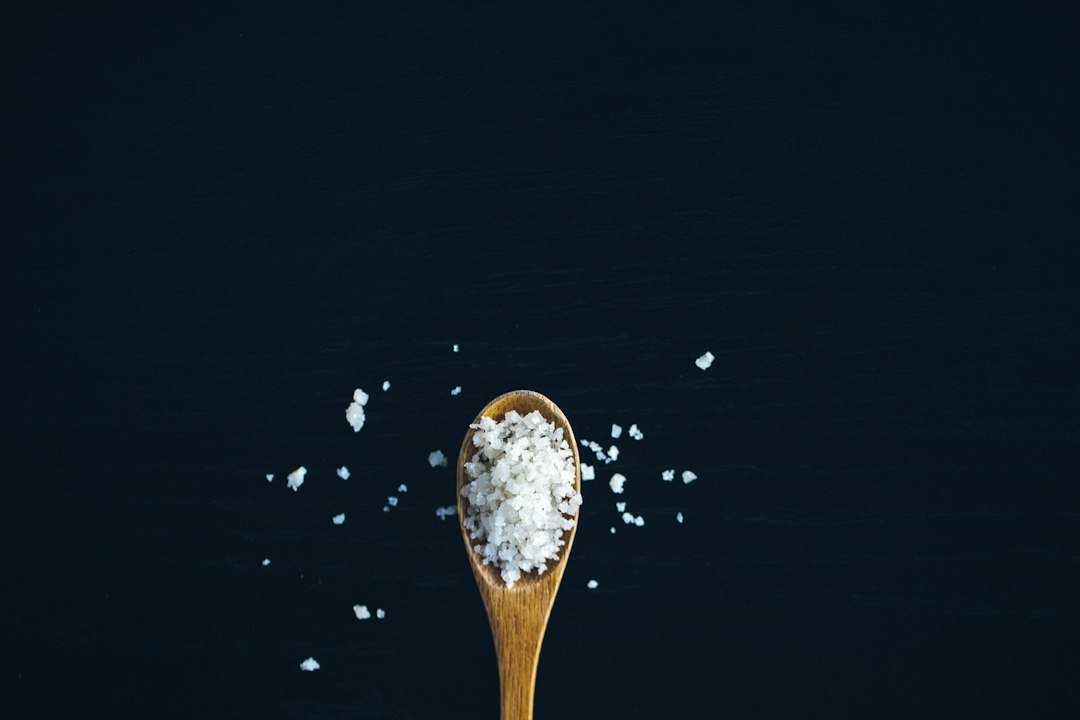
There are ingredients that get a bad reputation and spend decades trying to shake it. MSG is one of them. Mention monosodium glutamate and somebody will usually tell you it gives them a headache, even if they’ve just eaten a bowl of tomatoes, parmesan and mushrooms without raising an eyebrow.
What MSG actually is
MSG is the sodium salt of glutamic acid, an amino acid that occurs naturally in foods including tomatoes, mature cheese and mushrooms. It delivers umami, the savoury taste that makes a broth feel rounded and a tomato sauce taste more complete.
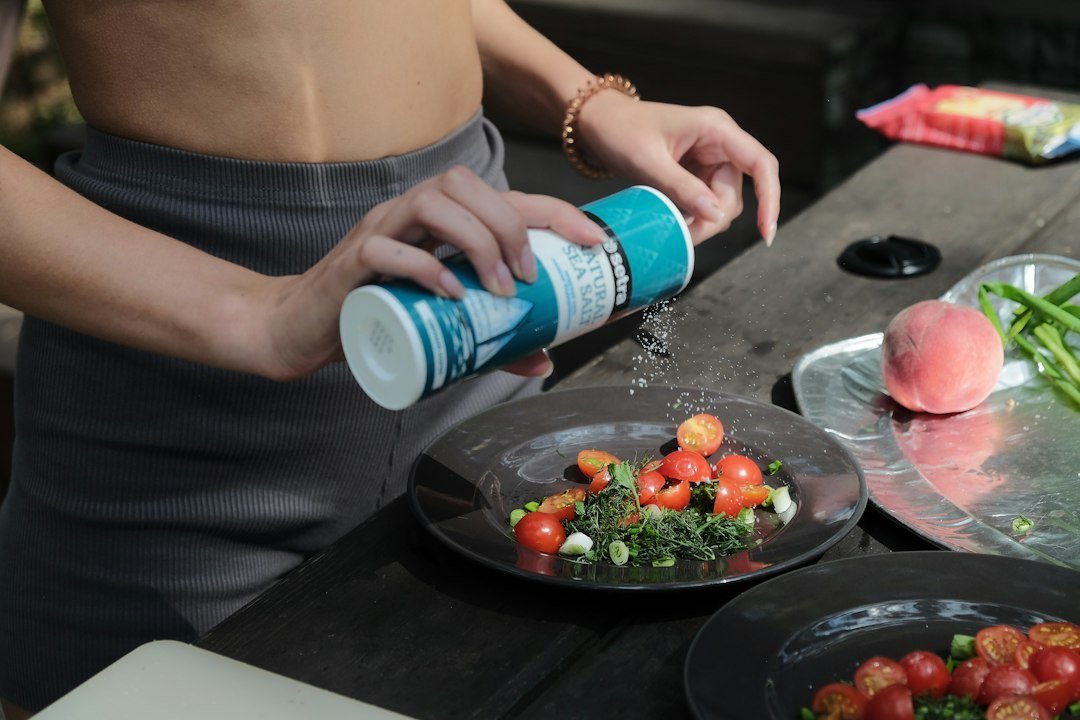
Glutamate is not some mysterious industrial invention. Japanese chemist Kikunae Ikeda identified glutamate as the source of the distinctive savoury taste in kombu broth in the early twentieth century, helping establish umami as a recognised taste.
Does MSG cause headaches?
The US Food and Drug Administration considers added MSG generally recognised as safe when used in food. The FDA notes that reports of symptoms such as headache and nausea have not established that MSG caused them. In studies, some people have reported short-lived symptoms after consuming large amounts without food, but typical food portions contain much smaller quantities.
That doesn’t mean nobody can ever be sensitive to it. It does mean the sweeping claim that MSG is inherently dangerous is not supported by the evidence cited by the FDA.
MSG is a seasoning, not a moral failing. The dose and the whole dish matter.
Where the savoury magic comes from
MSG works particularly well alongside foods rich in other umami compounds. Glutamates and nucleotides can reinforce one another, which is why a mushroom stock with parmesan rind can taste so deeply savoury.
- Tomatoes: Add natural glutamates to sauces, soups and stews.
- Hard cheese: Parmesan and other aged cheeses bring concentrated savoury depth.
- Mushrooms: Dried shiitake are especially useful in stocks and sauces.
- Soy sauce: Adds salt, fermentation notes and savouriness.
How to use it
Try a small pinch in soup, gravy, fried rice or a tomato sauce. Reduce the salt elsewhere if needed, taste, and adjust. MSG contains sodium, so it is not a free pass to season with your eyes closed.
The best test is simple: cook the same dish with and without a little MSG and taste them side by side. Your palate is a better judge than a decades-old rumour.
Further reading: The US FDA’s questions and answers on MSG.