Turkish Meze vs Indian Thali: Two Brilliant Ways to Eat Together
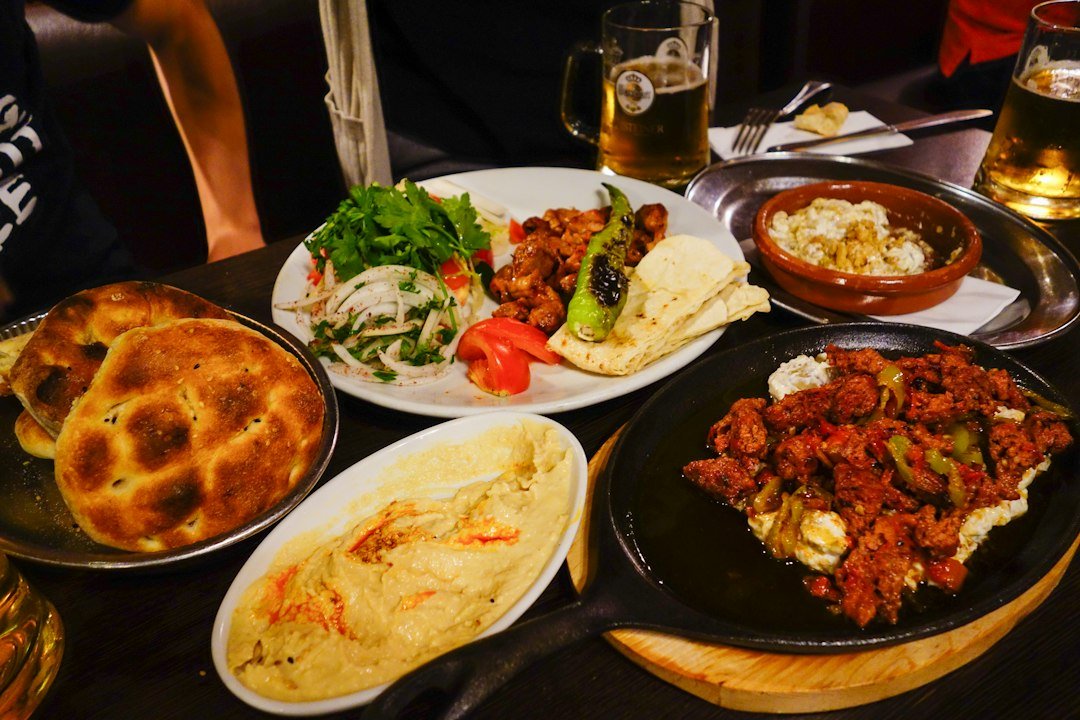
There are two excellent ways to put a table full of food in front of people. One involves a procession of little plates, each demanding a taste. The other gives you a whole meal in miniature, arranged around a single platter. Meet Turkish meze and the Indian thali: cousins in spirit, perhaps, but with rather different ideas about how lunch should behave.
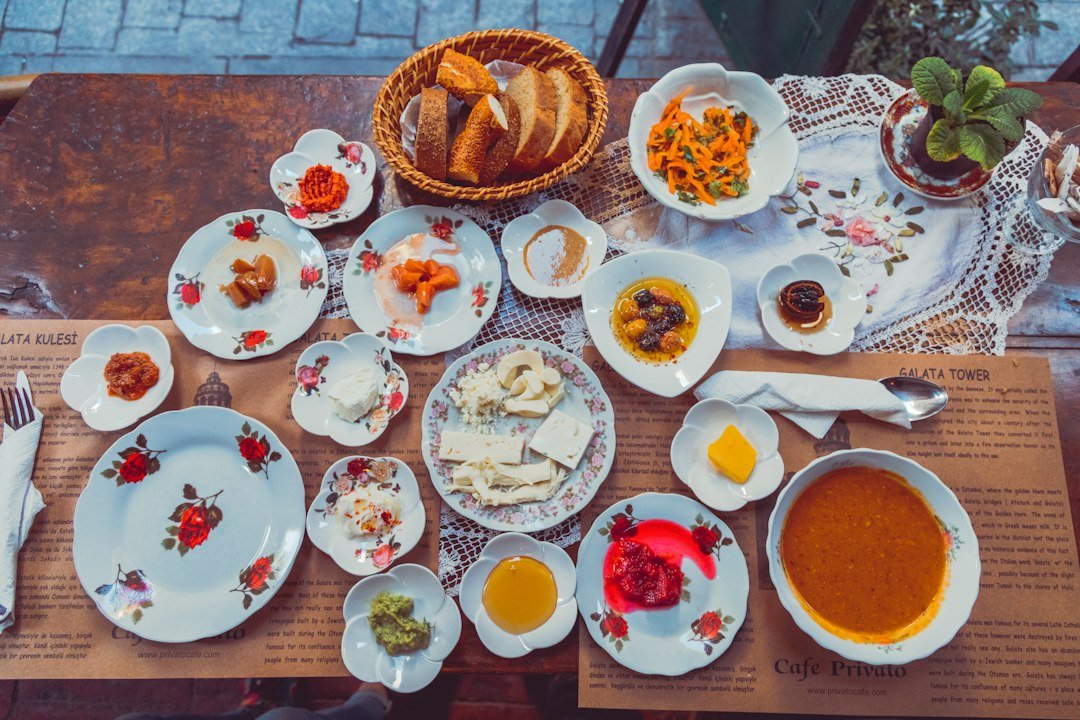
It is tempting to compare them as if one is the winner. That misses the point. Both are clever ways of turning a meal into a generous spread, shaped by geography, agriculture, religion, trade and the simple human pleasure of eating together.
First, what exactly is Turkish meze?
Meze is a way of serving food rather than a fixed menu. A table might fill with cold dips, salads, vegetables dressed with olive oil, seafood, cheese, pickles and little hot dishes. The selection changes with the season, the region, the restaurant and who’s doing the cooking.
In Turkey, meze is closely associated with the meyhane, the traditional tavern, and the long, sociable table where food accompanies conversation. The recent study of 107 meyhane menus across all seven Turkish regions found a shared structure, but plenty of regional variation in the dishes themselves. That sounds about right: a food tradition with a common language and many local accents.
A Turkish meze table: a little bit of everything
Imagine a spread of haydari (a thick yoghurt and herb dip), şakşuka (fried vegetables in a tomato-based sauce), acılı ezme (a spicy chopped tomato and pepper relish), olives, grilled aubergine, white cheese and perhaps some seafood. Add bread, and the table is already looking rather inviting.
Some dishes are designed to be scooped up with bread; others are eaten with a fork, passed around or picked at between sips. The point is variety. You might order a few plates to begin, then find that the meze has quietly become the meal. Nobody needs to make a formal announcement.
And then there’s the Indian thali
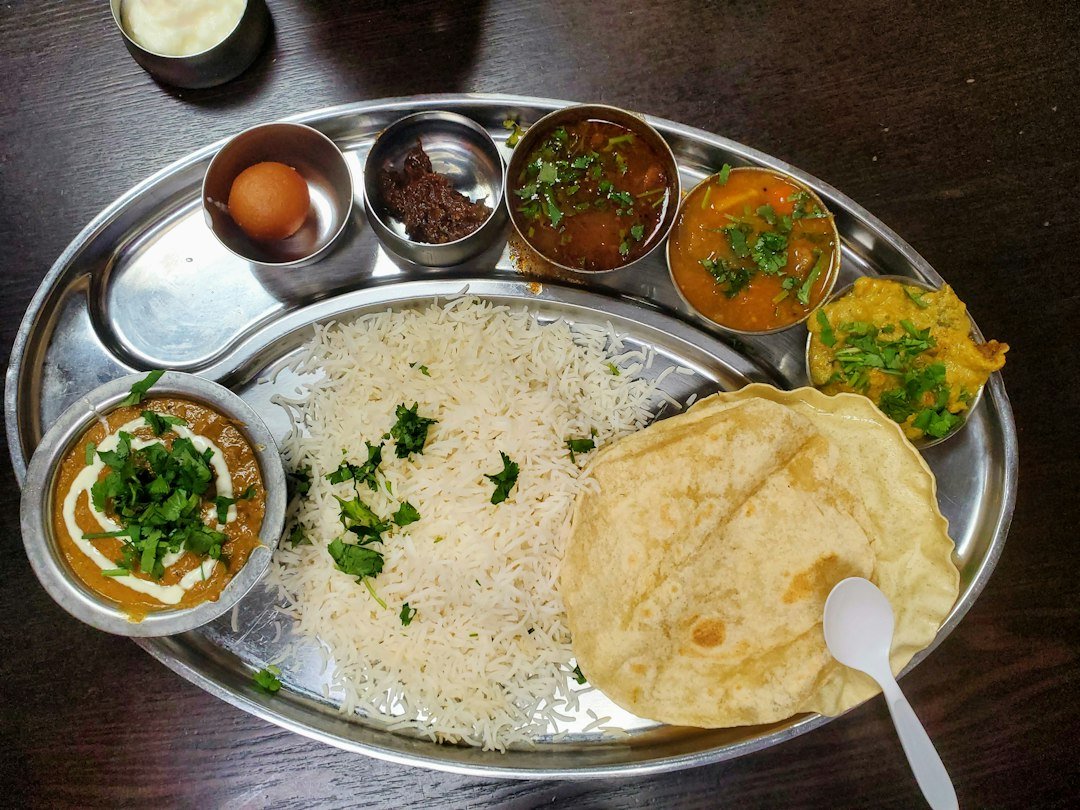
Thali literally refers to the plate or platter. In a restaurant, it usually means a complete meal served together, often on a large metal tray with small bowls or compartments. Rice or breads provide the centre of gravity, with dals, vegetable dishes, pickles, chutneys, yoghurt and sometimes a sweet arranged around them.
There is no single Indian thali. A Gujarati version may lean towards sweet-sour flavours, dals, vegetables, farsan and rotli. A Rajasthani thali might include bajra roti, ker sangri, gatte ki sabzi and rich lentil dishes. A South Indian banana-leaf meal can bring rice, sambar, rasam, poriyal, kootu, pickles and payasam. A Bengali spread has its own rhythm again.
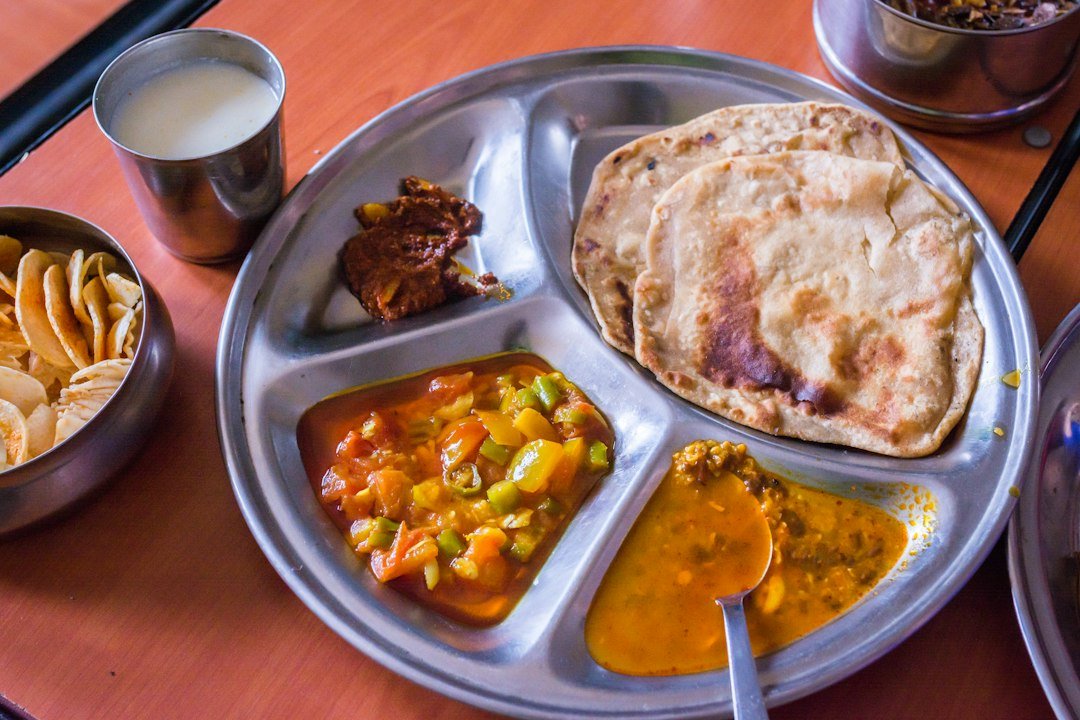
In other words, the thali is not a standardised national dish. It is a format that lets a region show off its cooking in one sitting. A very efficient bit of culinary theatre, and a good way to discover what belongs together.
Four regional thalis, four different food stories
| Region | What you might find | Flavour and character |
|---|---|---|
| Gujarat | Rotli, dal, shaak, farsan, pickles | Often a sweet-sour balance with plenty of variety |
| Rajasthan | Bajra roti, gatte ki sabzi, ker sangri | Robust dishes shaped by a dry climate and local ingredients |
| South India | Rice, sambar, rasam, poriyal, payasam | Rice-led, with tang, spice, vegetables and cooling accompaniments |
| Bengal | Rice, dal, vegetables, fish, chutney | A distinct progression of textures and flavours, often with fish |
These are broad illustrations, not fixed menus. Every region contains plenty of local variation.
Two countries, two ways of sharing a table
The places and food traditions behind Turkish meze and the Indian thali
🇹🇷 TURKEY · MEZE
A tradition found across the country’s seven regions
A few flavours of the meze table
🫒 🥣 🍆 🐟 🫓
Olives · yoghurt dips · aubergine · seafood · bread
🇮🇳 INDIA · THALI
Four regional examples, not a complete map of India’s food
A few flavours of the regional thali
🍚 🫓 🥘 🥬 🥭
Rice · breads · dal · vegetables · pickles
Illustrative, simplified country outlines. Landmark motifs are visual reference points; the food traditions shown are regional examples, not boundaries or exclusive to the places marked.
The real difference is how the table works
Meze tends to arrive as a series of shared plates placed in the middle of the table. The diners build their own meal as they go, choosing a little of this, another bite of that. The conversation and the food move at the same pace.
A thali is more often a composed individual meal. Its elements are served together because they are intended to work together: rice or bread, lentils, vegetables, something sharp or sour, perhaps something cooling. You can still share tastes across the table, of course, but the platter gives you a complete little food landscape of your own.
- Meze: multiple small dishes, usually shared, with the meal developing over time.
- Thali: a coordinated selection served together, usually as one person’s complete meal.
- Both: balance, contrast, generosity and a belief that one flavour is rarely enough.
Why did these traditions develop?
There isn’t one neat origin story for either format. Meze sits within a wider eastern Mediterranean and Ottoman world of small dishes, tavern culture and communal eating. The word has Persian connections, while historians debate how the serving custom developed across Byzantine, Greek, Turkish and neighbouring food cultures. It is more honest to describe a shared regional history than to award one country the patent.
Thali reflects India’s extraordinary regional food systems. The combination of grain, pulses, vegetables, dairy, pickles and chutneys makes practical sense as well as culinary sense. The precise balance depends on local crops, climate, faith, season and household tradition. A meal in coastal Kerala is never going to taste like one in the drylands of Rajasthan, and why would we want it to?
Which one should you order?
If you’re with friends and want an evening that unfolds slowly, order meze. Get more plates than you think you need, pass them around and don’t rush. If you’re hungry and want a satisfying tour of a regional kitchen in one sitting, a thali is hard to beat.
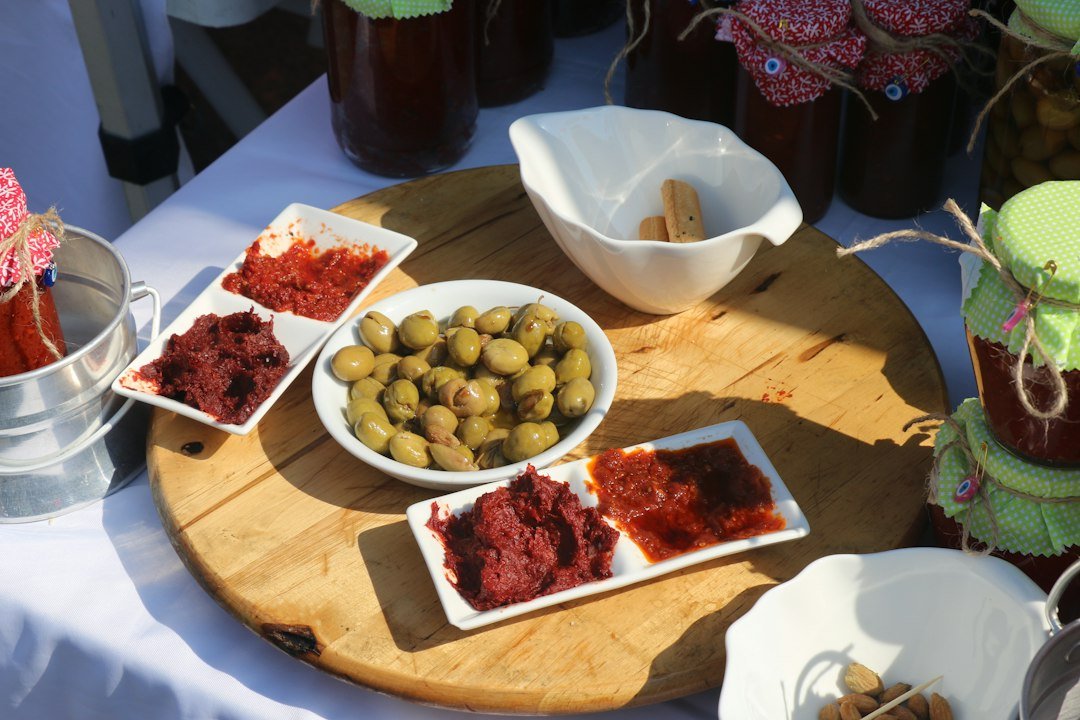
Meze says, “Let’s keep the table going.” Thali says, “Here’s a whole kitchen on one plate.”
Neither is better. They’re two different expressions of the same lovely idea: a meal should have contrast, generosity and enough going on to keep you interested until the last bite. And if you find a restaurant serving both, frankly, book a table and take a friend.
Further reading
Investigation of meyhane cuisine through menu analysis (2026) – a recent study of 107 Turkish tavern menus, showing how a shared meze structure varies by region.
The effects and contributions of Byzantine cuisine to modern Istanbul cuisine – research exploring the layered history of Istanbul’s food culture, including the development of meze.
Nutritional sufficiency of traditional meal patterns – an academic overview of traditional Indian meal patterns and the role of cereals, pulses, vegetables and accompaniments.