Where Does the Word Candy Come From?
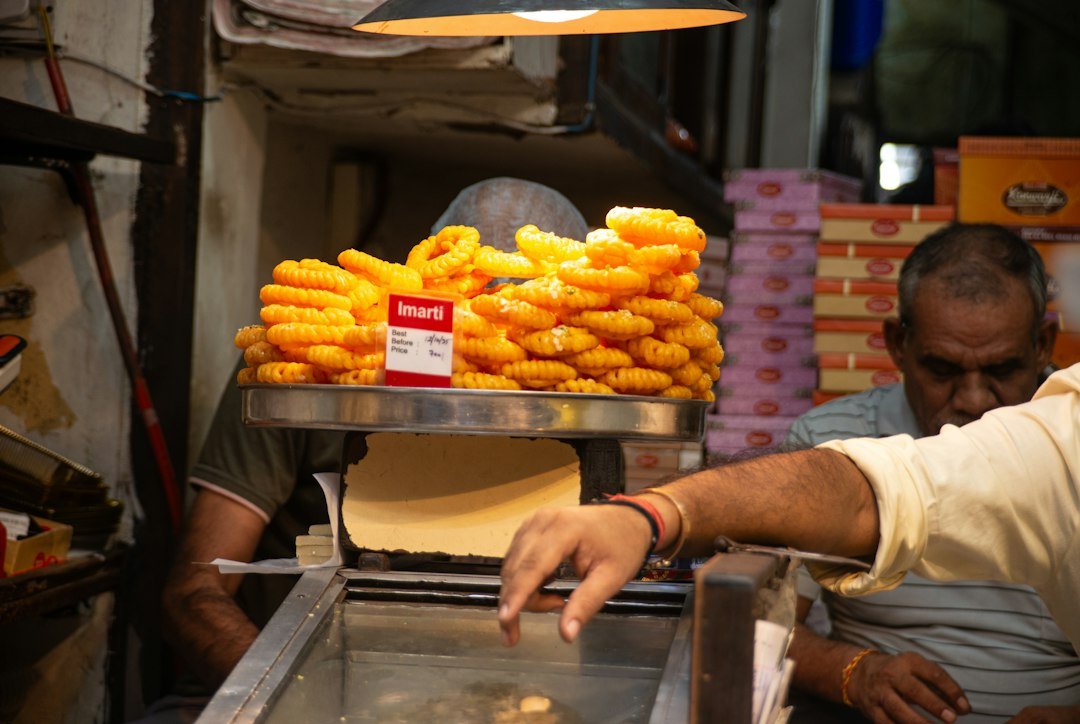
I was making a batch of sweets with my mum years ago when someone asked why Americans say “candy” and we say “sweets”. It sounds like the sort of question that ought to have a dull answer. It doesn’t.
The word has travelled a rather longer road than most of the things sitting in a sweet shop window.
A word that travelled
English got candy through French, from the Arabic qandī, meaning something made with sugar. The trail goes further back through Persian and Sanskrit words connected with crystallised sugar. One important ancestor is Sanskrit khaṇḍa, referring to a piece or fragment of sugar.

Languages borrow from one another all the time, particularly when people are trading something delicious.
Sugar was the real star
For much of history, refined sugar was a valuable ingredient. Knowledge of sugar production and crystallisation developed in South Asia and spread through Persia and the Arab world. As merchants moved sugar and confectionery around, they also carried the words and techniques associated with it.
You can almost picture the exchange: here’s a new way to make sugar, and here’s what we’re calling it.
Early uses of candy referred to crystallised sugar or a sweet preparation. Over time, the meaning widened to cover all sorts of confectionery. In modern American English, candy is the everyday word.
In Britain, we generally say sweets, while confectionery is the more formal umbrella term. We do like making simple things sound official.
A little language lesson with your pudding
Food words are full of these journeys. Ingredients cross borders, recipes change, and the names change with them. The word candy is a small reminder that the history of food is also the history of trade, migration and people borrowing good ideas.
So next time somebody tells you candy is just an American word, you can gently point out that its family tree runs through Arabic, Persian and Sanskrit. Then offer them a sweet.
No need to be unbearable about it.
Featured photograph: Zoshua Colah / Unsplash.