How Black Pepper Became More Valuable Than Gold
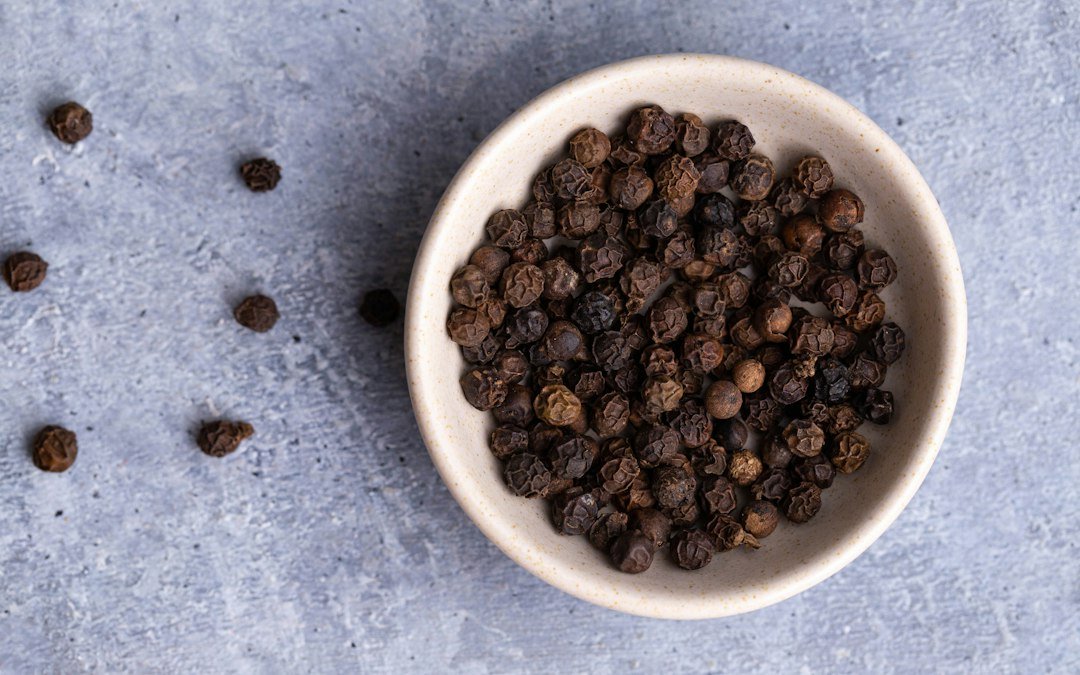
I used to think the pepper mill was one of those things that just lived on the table, like the salt cellar and the slightly wobbly cruet set. Then you read about the lengths people went to get pepper into Europe and it makes the little grinder look rather grand. For centuries, this humble seasoning was serious money.
A berry with a remarkable career
Black pepper comes from the dried berries of Piper nigrum, a climbing vine native to the Western Ghats of south-west India. The Malabar Coast became a major source, and pepper moved through Indian Ocean trading networks towards the Middle East and Mediterranean. By the time it reached European buyers, it might have passed through several merchants and changed hands more than once.
Why it cost so much
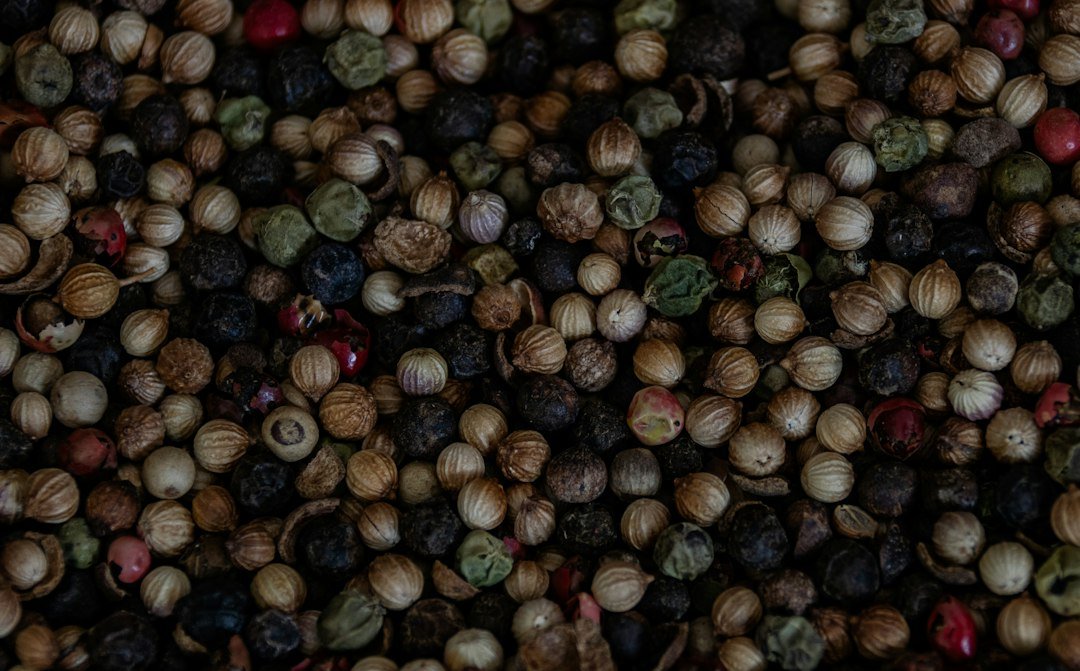
Transport was slow, expensive and risky. Ships faced storms, piracy, conflict and uncertain routes. Taxes and middlemen added to the price.
European demand for exotic spices was strong, particularly among wealthy households who could afford to show off a well-stocked spice cupboard. Pepper became a status symbol as much as a seasoning.
You will sometimes hear that pepper was worth more than gold. That’s a cracking headline, but it needs a bit of care. Pepper could be extraordinarily valuable in particular markets and periods, and it was sometimes used in payments or listed among prized possessions.
It wasn’t universally or consistently more valuable than gold. History is interesting enough without giving it a daft exaggeration.
The flavour is worth keeping
Freshly ground black pepper has a lively aroma and a gentle heat from piperine. It works brilliantly with meat, vegetables, eggs, soups and sauces. Buy whole peppercorns if you can and grind them as you need them.
Pre-ground pepper loses its fragrance over time, and frankly, there’s no reason to put up with dusty old spice.
The next time you twist the mill, spare a thought for the sailors, merchants and growers who helped make pepper part of everyday cooking. Then put some on your dinner.
That’s what it’s there for.
Further reading
- The profits of pepper: Indian Ocean trade and the economy of Kerala, 800–1600 — A recent historical study of Kerala’s central role in the pepper trade.
- Measuring by the bushel: reweighing the Indian Ocean pepper trade — An academic look at Malabar pepper, merchant networks and trade routes.
Featured photograph: Anas Alhajj / Unsplash.