Who Invented Tea? The Chinese Roots of the World’s Favourite Brew
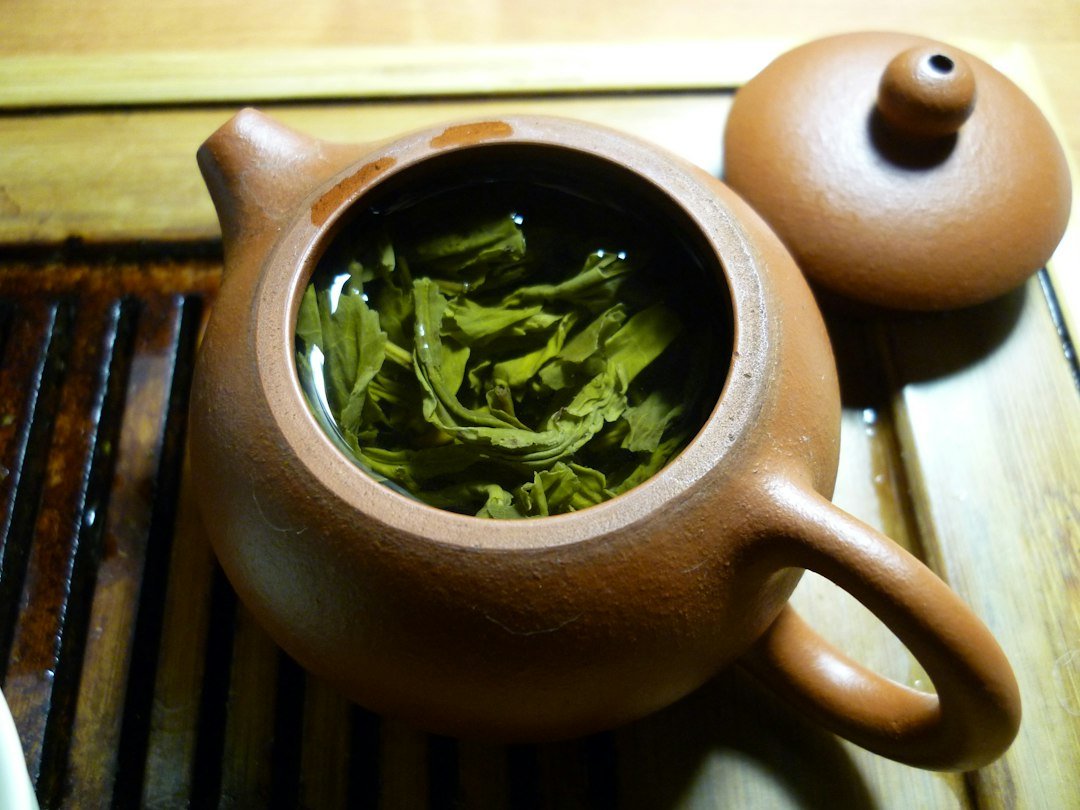
Put the kettle on. Few drinks feel as ordinary in Britain as a cup of tea, yet the story behind those leaves stretches back thousands of years and across continents. Tea has been medicine, tribute, a luxury commodity, a social ritual and, eventually, the everyday brew that fuels a nation.
The short answer to where tea originated is China. The longer answer involves wild tea plants, early cultivation, legendary emperors, Buddhist monasteries, trade routes and a global industry that transformed landscapes and politics.
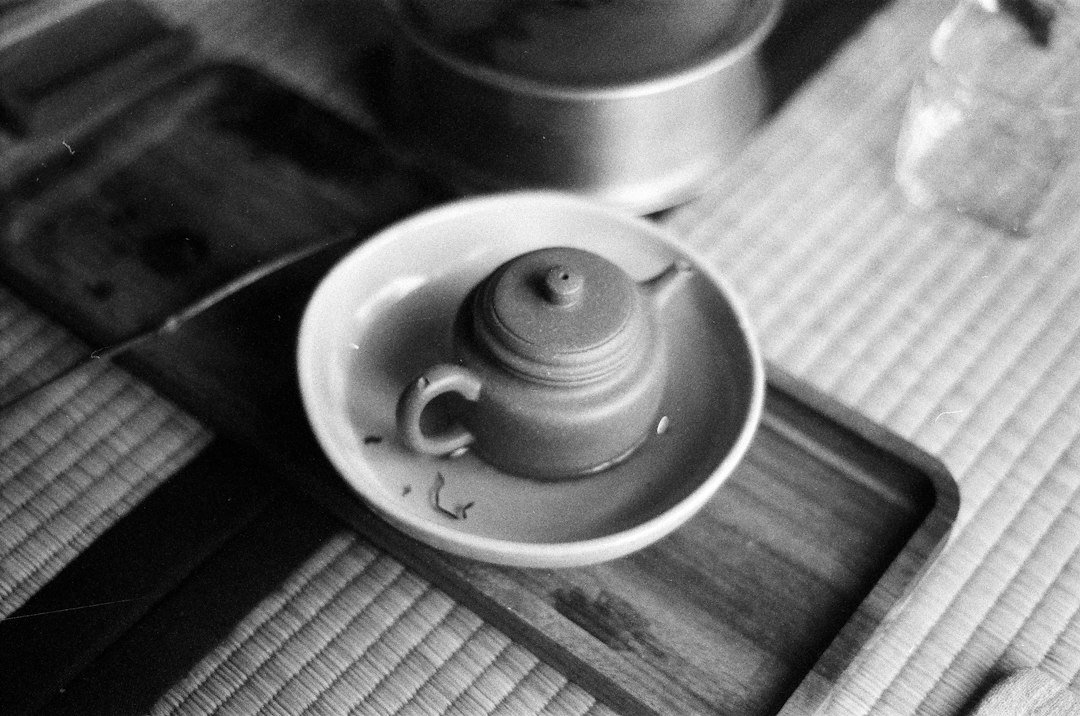
The plant came first: Camellia sinensis
All traditional tea comes from the leaves of Camellia sinensis. Green, black, white and oolong tea are not different plants; they are made from the same species, processed in different ways. The plant has a long history in southwest China and neighbouring regions, and the precise boundaries of its wild origin and domestication remain subjects of botanical research.
China’s early tea culture
Chinese tradition credits the legendary emperor Shen Nong with discovering tea around 2737 BCE, when leaves supposedly fell into a pot of boiling water. It is a lovely origin story, but a legend rather than a dated historical record. Written references to tea become clearer in ancient Chinese texts, and physical evidence from Han dynasty sites shows tea was being used more than 2,000 years ago.
Tea was not always the delicate infusion we know. Leaves were used in food and medicine, and preparation methods changed over centuries. By the Tang dynasty, tea drinking had become a refined cultural practice. Lu Yu’s eighth-century Classic of Tea helped establish tea as an art with its own equipment, methods and ideals.
From China across Asia
Tea travelled through trade, religious networks and diplomacy. It reached Japan from China, where it became central to distinctive traditions including powdered matcha and the tea ceremony. Along the Himalayan and Tibetan routes, compressed tea cakes became an important trade good, exchanged for horses and other commodities.
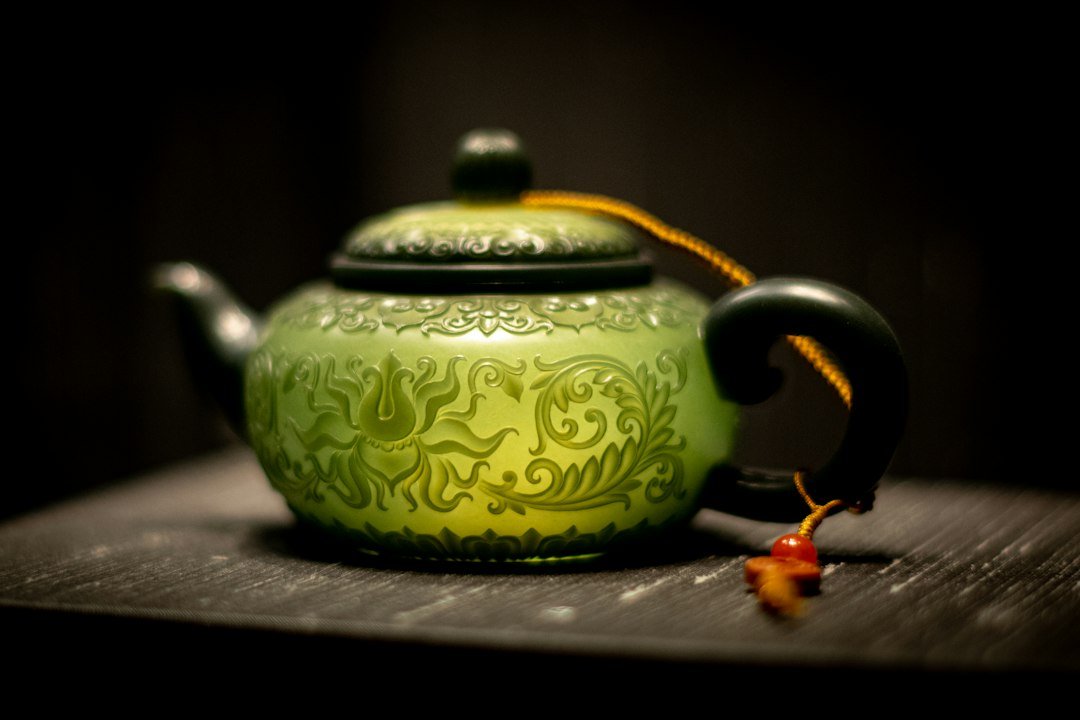
How tea conquered Britain
Tea arrived in Europe through maritime trade in the seventeenth century and became fashionable among wealthy consumers before spreading more widely. In Britain, tea was initially expensive and heavily taxed. Smuggling flourished, and tea became entangled with empire, taxation and the expansion of plantation production in India and Sri Lanka.
The British East India Company played a major role in the trade. The demand for tea helped shape imperial policy and global commerce, while plantation economies relied on harsh labour systems. The comforting cup has a complicated history.
Green, black, white and oolong: what’s the difference?
- Green tea: leaves are heated soon after picking to limit oxidation, preserving a fresh, vegetal character.
- Black tea: leaves are rolled and fully oxidised, producing darker colour and deeper flavours.
- Oolong: partially oxidised, with a huge range from floral and light to roasted and rich.
- White tea: minimally processed, often simply withered and dried.
- Dark and post-fermented teas: aged or microbially processed teas such as pu-erh have their own distinctive traditions.
So, where did tea begin?
The strongest historical and botanical evidence points to China as the centre of early tea use and cultivation, particularly southwest China. The precise story of domestication is still being refined, but the cultural record is unmistakable: China developed tea drinking into a sophisticated tradition long before it became a global habit.
Every cup of tea is carrying a little history, whether you take it black or with milk.
Further reading
Scientific Reports: Earliest tea as evidence for the Silk Road – archaeological evidence for tea use around 2,100 years ago.
Frontiers: From the Wild to the Cup – review of tea’s botanical origin, domestication and spread.
Heritage Museum of Asian Art: A brief history of Chinese tea – a readable timeline of tea culture and preparation.