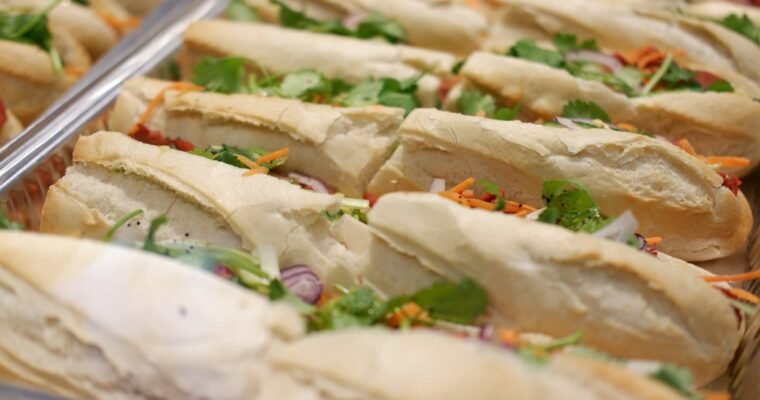
Bánh Mì: How a French Baguette Became Vietnam’s Great Sandwich
Bánh mì is a brilliant example of food changing through history. A French-style loaf became a distinctly Vietnamese sandwich packed with pickles, herbs, chilli and character.
Bánh mì is a brilliant example of food changing through history. A French-style loaf became a distinctly Vietnamese sandwich packed with pickles, herbs, chilli and character.
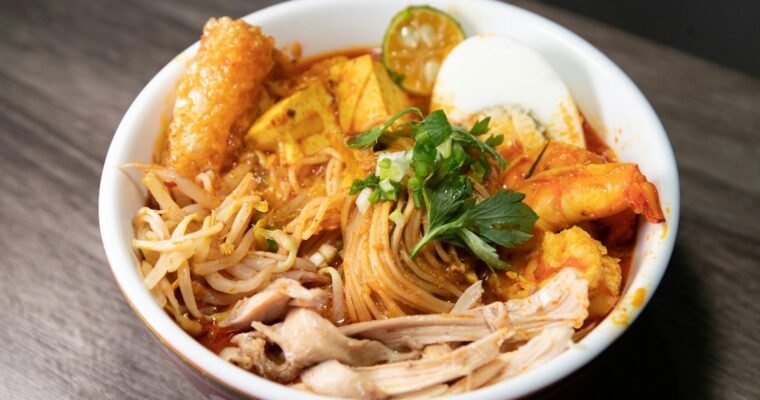
Laksa is a fragrant, warming noodle soup with roots in the food cultures of Southeast Asia. Explore its regional variations, key ingredients and how to build a bowl at home.
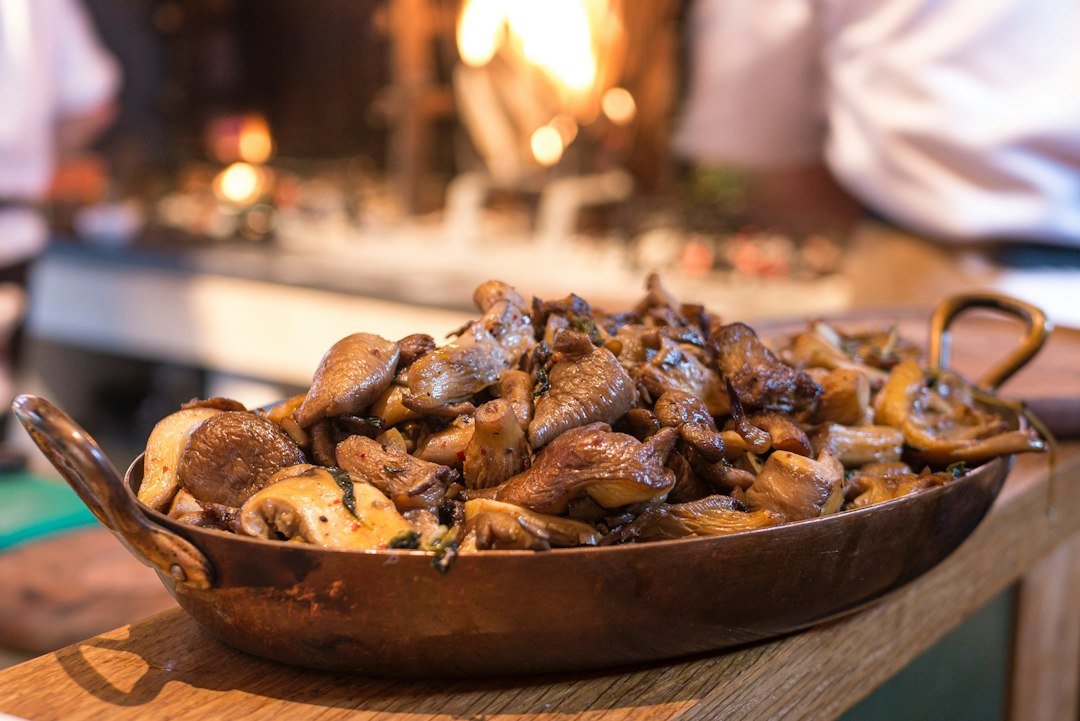
Mushrooms used to be the thing you added to a steak or pushed around the side of an omelette. That has changed. In 2026, chefs are giving mushrooms the centre of the plate, and for once the trend has a very good reason behind it.
Mushrooms contain compounds that contribute to umami, the savoury taste also found in ingredients such as aged cheese, tomatoes and soy sauce. Dried mushrooms can be especially concentrated, which is why a handful of dried shiitake can do remarkable things for a stock.
Different varieties bring different textures. Oyster mushrooms tear into soft frills, shiitake have a firm bite, chestnut mushrooms are versatile, and large portobellos can take a proper sear.
Mushrooms contain a lot of water. Put too many into a crowded pan and they release moisture faster than it can evaporate. The temperature drops, the mushrooms simmer in their own liquid and the browning you wanted never arrives.
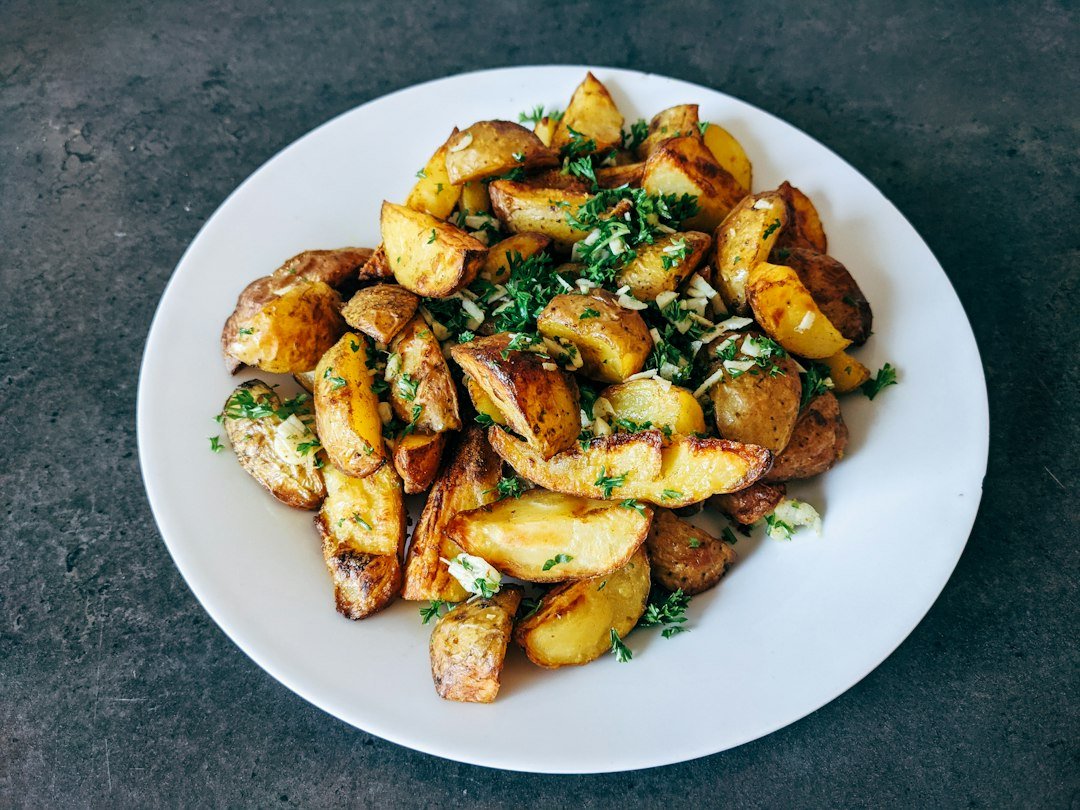
Give mushrooms room, give them heat, and stop fussing with them every ten seconds.
Try thick slices of king oyster mushroom seared until golden, then finished with butter, garlic and lemon. Roast mixed mushrooms with thyme and serve over polenta. Or chop them finely and use them in a ragù with lentils, tomatoes and red wine.
Not nutritionally in a direct, one-for-one sense. Mushrooms can provide texture and savoury satisfaction, but they are not automatically a high-protein substitute for meat. Think of them as a delicious ingredient in their own right, and build the rest of the meal around what it needs.
That is the best part of the mushroom revival. They don’t need to pretend to be anything else.
Trend note: The MICHELIN Guide’s 2026 trend report identifies mushrooms taking a more prominent role on restaurant menus.
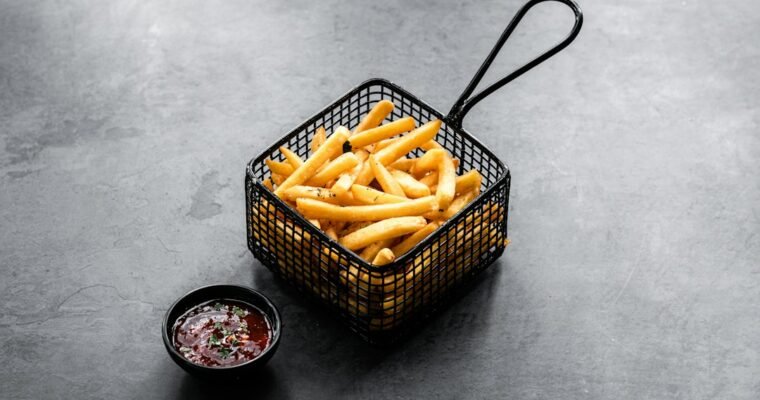
An air fryer is a compact convection oven, not a tiny deep-fat fryer. Here’s how fast-moving hot air browns food, where it excels and how to avoid soggy disappointment.

Butter chicken is one of the world’s best-known Indian restaurant dishes, but its origin is disputed. Meet the Delhi restaurant families behind the story and the sauce that travelled.
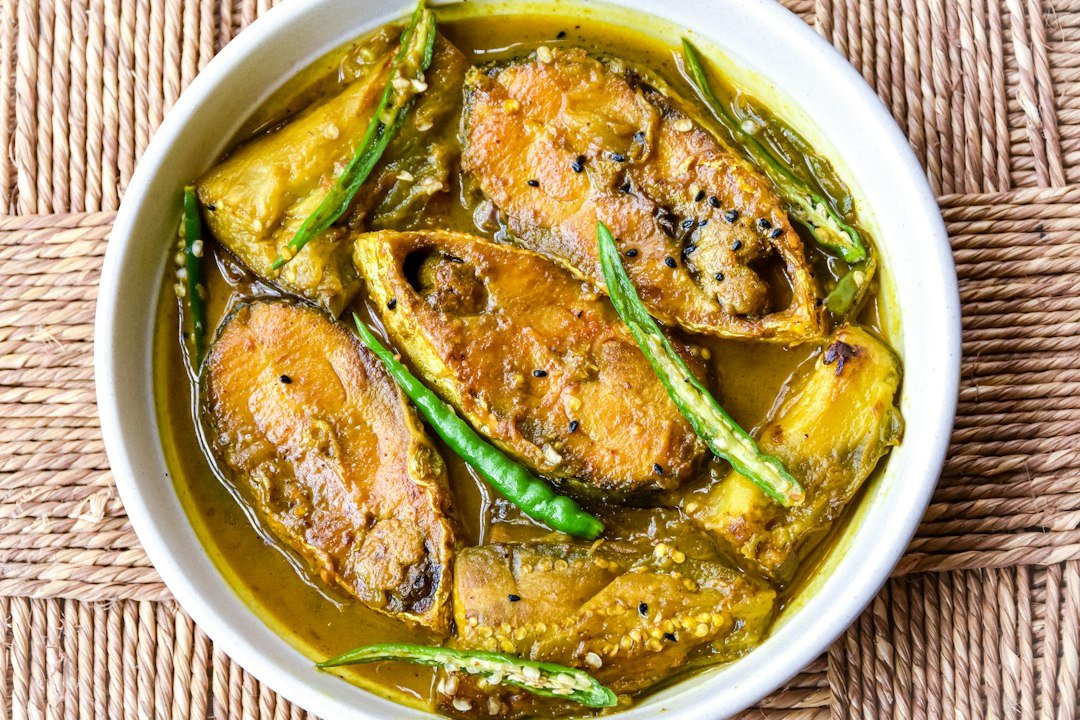
Indian food is often squeezed into a handful of familiar restaurant categories. That’s a shame, because the food of Kerala, on India’s south-west coast, has a character all of its own. There’s coconut, yes, but there’s also seafood, black pepper, tamarind, rice, curry leaves and a wonderful range of regional cooking.
Kerala sits between the Arabian Sea and the Western Ghats. The coast has long supported fishing and maritime trade, while the hills are associated with spices including black pepper and cardamom. Rice and coconut are central ingredients, but the balance changes from one part of the state to another.
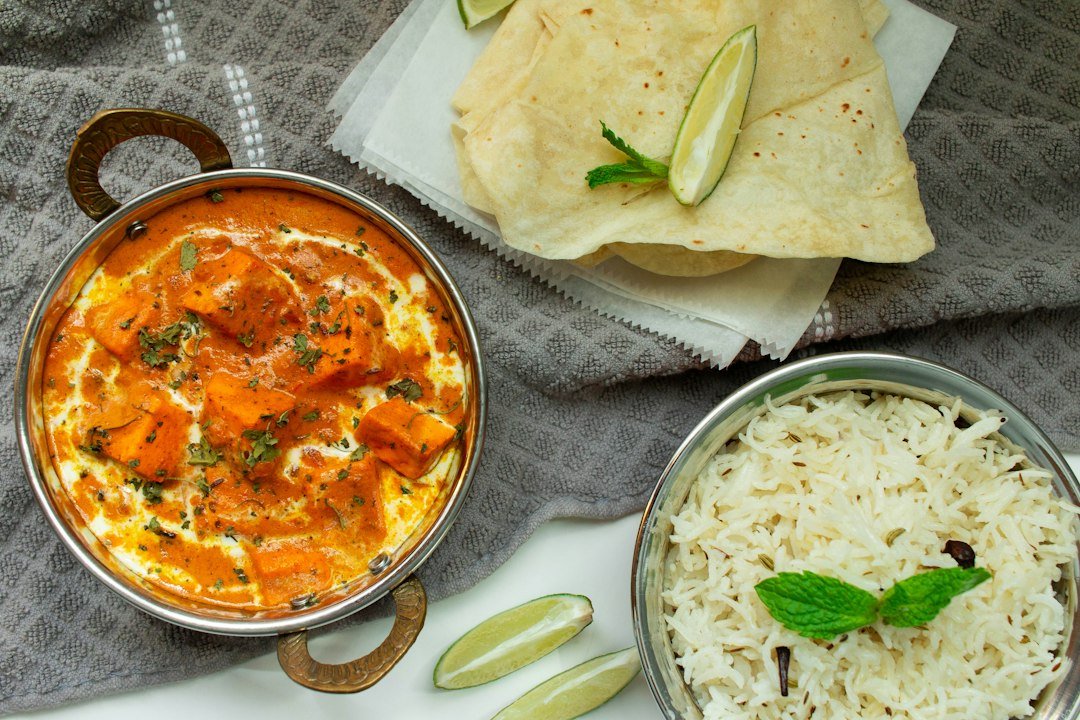
Malabar in the north has its own rich food traditions, including biryani, pathiri and snacks influenced by centuries of contact across the Indian Ocean. Central Kerala has distinctive seafood and toddy-shop dishes. Further south, vegetarian feasts and coconut-rich preparations are prominent.
Kerala cooking is coastal, fragrant and regional. It’s not one curry with a different postcode.
Meen curry is a broad name for fish curries, with recipes varying by region and household. Some are sharply sour and chilli-forward; others use coconut. Appam are soft-centred, lacy rice pancakes with fermented batter, often served with stew. Puttu is a steamed cylinder of ground rice and coconut, commonly eaten with banana or curry.
Then there is sadya, a celebratory vegetarian meal served on a banana leaf. It brings together multiple preparations, textures and flavours, rather than relying on one centrepiece.
Try a simple coconut fish curry with curry leaves, mustard seeds, chilli, turmeric and a souring ingredient such as tamarind. Keep the fish pieces large and add them towards the end so they cook gently. Serve with rice and something crisp on the side.
And if you find yourself buying curry leaves, keep them in the freezer. They are far too useful to let a whole packet wilt in the fridge drawer.
Further reading: Kerala Tourism’s guide to the region’s ingredients covers coconut, black pepper, curry leaves, tamarind and kokum; its ethnic cuisine directory shows the range of local dishes.
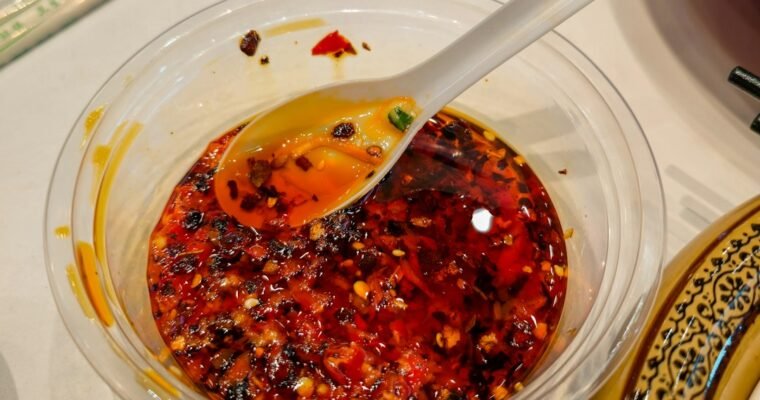
Chilli crisp has moved from specialist shelves to the mainstream. Here’s what makes it different from chilli oil, why it works and the best ways to use a jar.

Bright, lemony and wonderfully versatile, sumac is a Middle Eastern staple that can wake up salads, grilled meat, onions and dips without adding chilli heat.
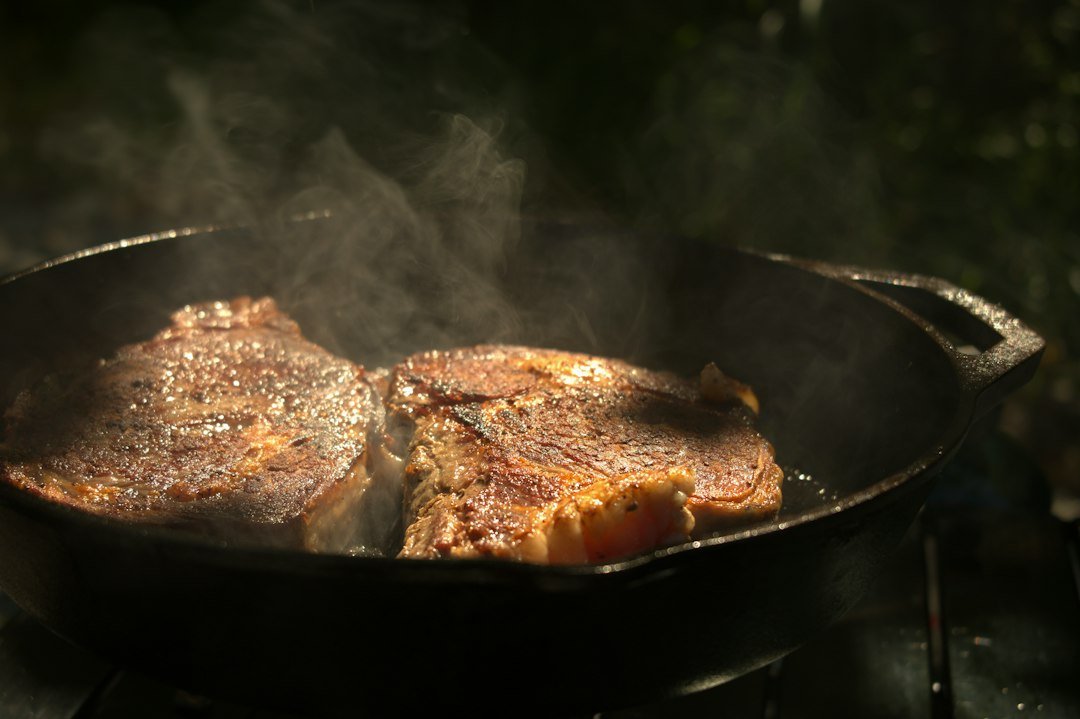
“Sear it to seal in the juices.” It sounds sensible, it has been repeated by generations of cooks, and it is wrong. A good crust is worth chasing, but the pan is not shrink-wrapping your steak.
When the surface of meat gets hot and dry enough, the Maillard reaction creates hundreds of flavour compounds and that deeply browned crust. It is the same broad family of chemistry that gives toast, roasted coffee and browned onions their appealing flavours.
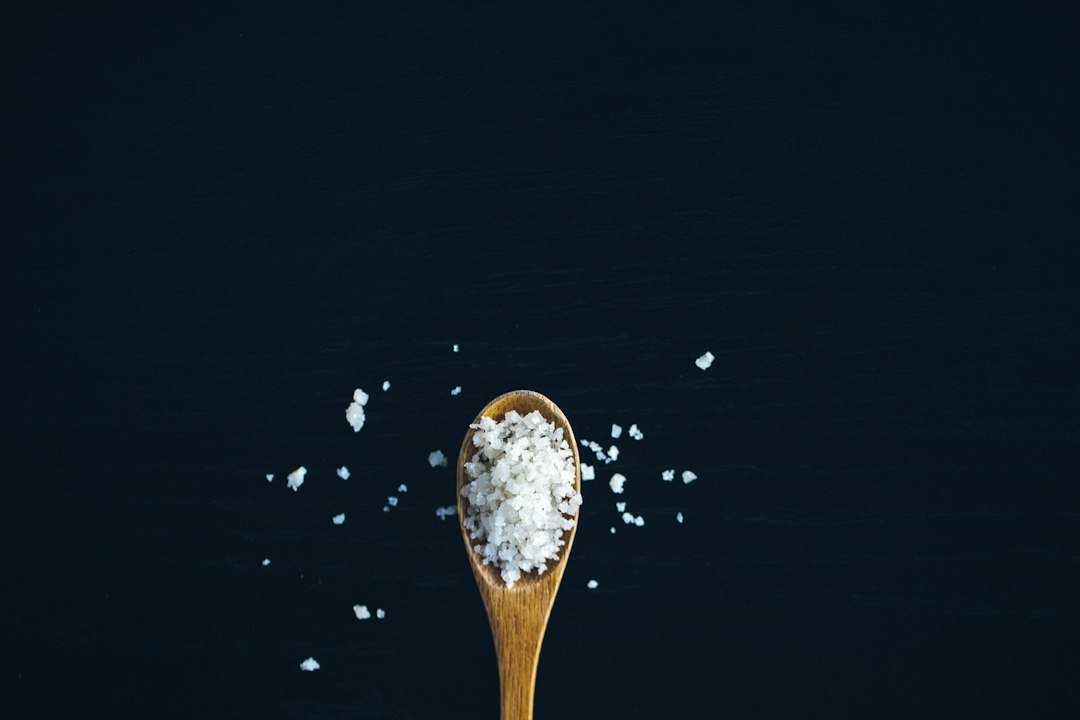
Moisture still escapes from the meat while it cooks. A seared piece of meat is not waterproof, and a browned surface does not prevent the inside from losing water.
Because flavour and texture matter. The browned surface gives you savoury, roasted complexity and a contrast with the softer interior. That is reason enough. We don’t need to invent a bit of kitchen plumbing to justify it.
Searing is about building flavour on the outside, not locking moisture in on the inside.
Choose the right cut for the cooking method, avoid overcooking lean meat and use a thermometer if you want consistency. Tougher cuts benefit from time and moist heat because connective tissue gradually softens. A quick sear cannot turn brisket into fillet, however enthusiastically you attack it.
So keep searing. Just do it for the right reason. A beautiful crust is one of the great pleasures of cooking, and it doesn’t need a myth attached to it.
Further reading: For the chemistry behind browning, see our guide to the Maillard reaction.
MSG has been blamed for everything from headaches to bad restaurant food. The evidence is more nuanced, and the chemistry behind its savoury flavour is genuinely fascinating.