The Great Food Arguments: 13 Things the World Cannot Agree On
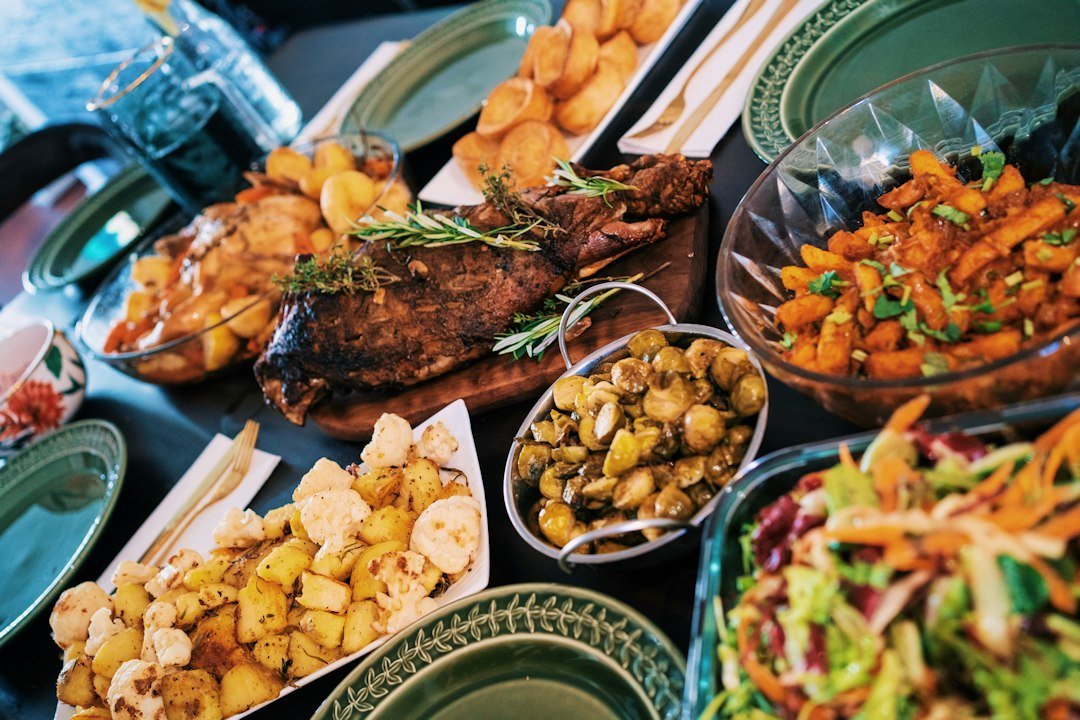
There are subjects that can split a room faster than politics. Religion, football, parking spaces… and whether pineapple belongs on pizza. Food arguments are wonderfully revealing: they are about taste, certainly, but also identity, memory, tradition and the belief that the way we grew up eating is obviously the correct way.
Some debates are light-hearted. Others touch national pride, cultural ownership and who gets to decide what counts as authentic. Here are thirteen of the world’s most persistent culinary rows, with a little context and, where possible, a verdict.
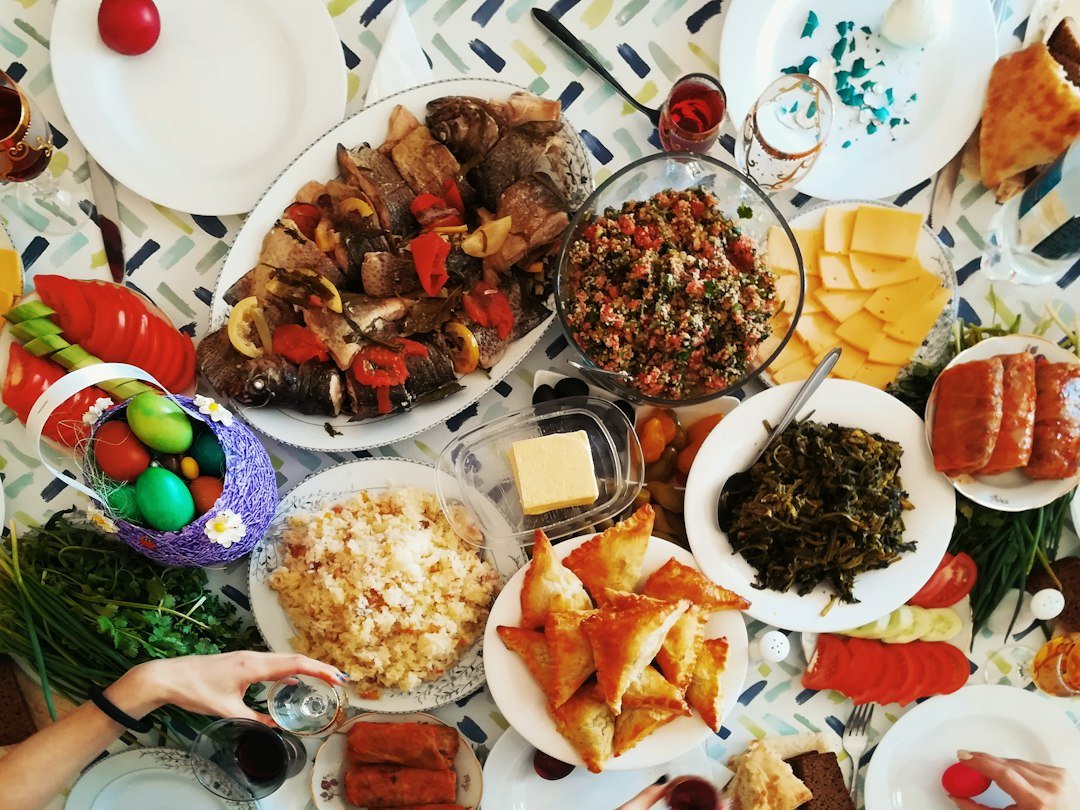
Pineapple on pizza: culinary crime or sweet genius?
Hawaiian pizza was created in Canada in 1962 by Greek-born restaurateur Sam Panopoulos. It is not an ancient Italian tradition, and it never claimed to be. The combination works on the same sweet-salty principle as fruit with ham or chutney with cheese. My verdict: if you like it, order it. Nobody is obliged to join you.
Cream or jam first on a scone?
Devon traditionally puts cream on the split scone before jam; Cornwall favours jam first, then a generous dollop of clotted cream. Both are delicious. The real crime is serving a scone so dry it needs a glass of water to get it down.
Beans in chilli: absolutely, or absolutely not?
Texas-style chilli con carne purists often reject beans, while countless home cooks across the United States and beyond regard them as essential. The distinction is partly about what the dish is: a particular Texan meat stew, or the wider family of chilli dishes that evolved around it.
Carbonara: cream, or no cream?
Roman carbonara is built around eggs, hard cheese, cured pork, black pepper and pasta water. Cream is not part of the classic recipe. That does not make every creamy bacon pasta immoral; it just means it is not the same dish. Call it something else and enjoy your dinner.
Hummus: whose national dish is it?
Hummus is deeply rooted in the Levant and wider eastern Mediterranean. Several communities and countries claim it, but the historical record does not identify one modern nation as its sole birthplace. It is better understood as a shared regional food than a trophy to be awarded.
Other arguments worth starting at the table
- Does a hot dog count as a sandwich? A question for taxonomists, not hungry people.
- Is a Jaffa Cake a cake or a biscuit? In Britain the legal argument has even reached a tribunal, where its sponge base helped establish its cake status for VAT purposes.
- Is cereal soup? Technically provocative, practically unhelpful.
- Should pineapple ever meet cheese? Ask anyone who has eaten a good grilled cheese with chutney.
- Is ketchup acceptable on a well-made meal? The answer depends on the meal, the ketchup and how much you use.
- Should milk go in tea before or after the water? The old argument has roots in class, china quality and brewing habits, not just stubbornness.
- Is a curry hotter better? Heat is one dimension of flavour, not a league table of courage.
- Is breaking spaghetti a culinary offence? It is inconvenient in a tall pot, but it will not summon the Italian food police.
Why food arguments matter
Food is one of the most intimate parts of culture. A dish can carry family history, migration, scarcity, celebration and regional pride. When someone changes it, they may be changing more than a recipe in the eyes of the people who grew up with it.
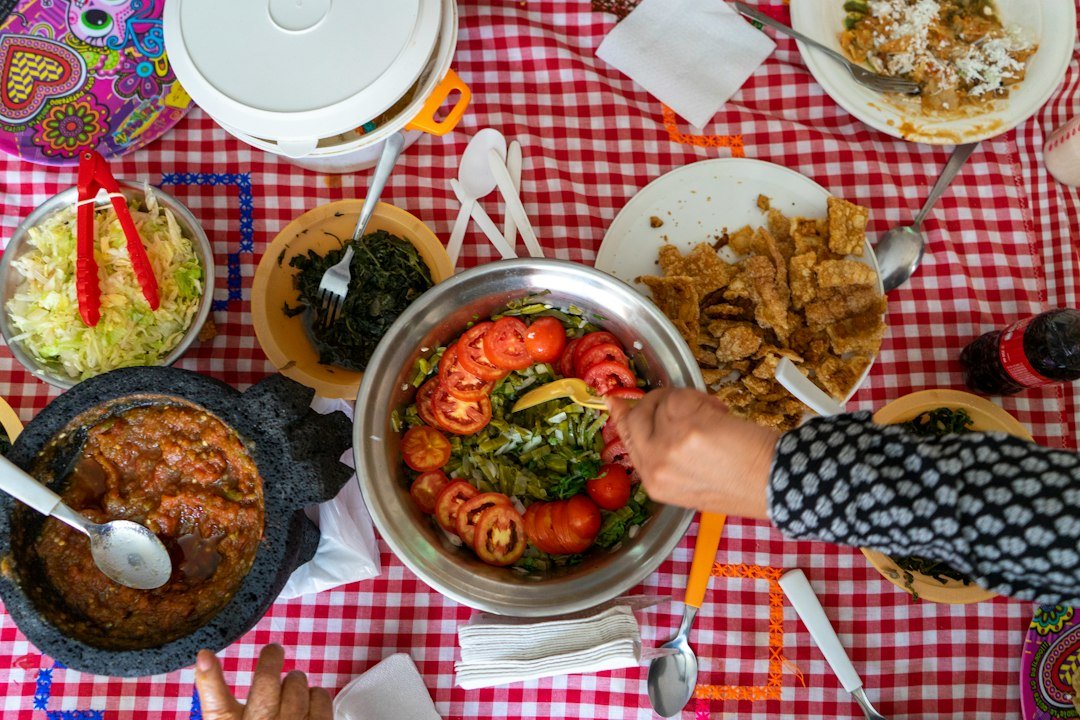
The best food argument is one that ends with everyone eating well.
So defend your scone technique, campaign against cream in carbonara and keep ordering pineapple if that is your thing. Just remember that taste is personal, tradition evolves, and there is usually room at the table for another version.
Further reading
The Guardian: Eight epic food wars – a lively tour of food disputes and culinary identity.
Oxford Academic: Debates on Culinary Norms – why arguments over food can become arguments about values and culture.
University of Amsterdam: The Hummus Wars – the regional history behind a dish claimed by many.