The Superfood League Table: What Actually Deserves a Place on the Podium?
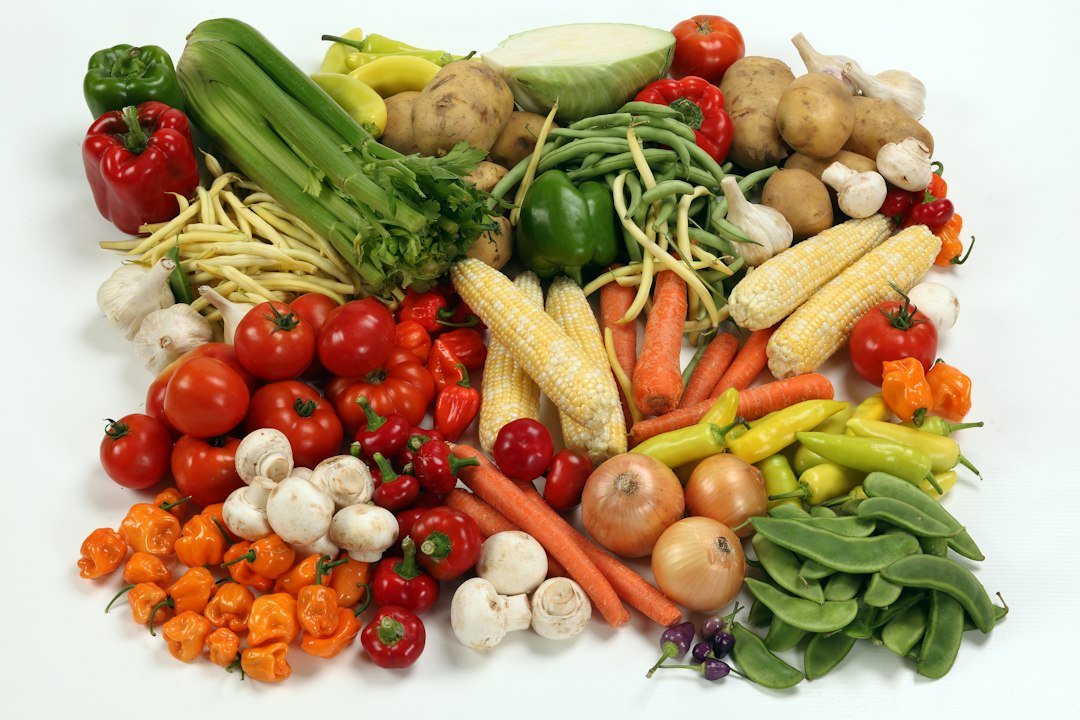
Every few months, a new food is declared a miracle. One week it is goji berries, the next it is spirulina, then some powder from a mountain you have never heard of. The word “superfood” does a lot of heavy lifting, usually in the direction of someone’s marketing budget.
There is no regulated scientific definition of a superfood. So rather than pretend there is one official world ranking, let’s build a practical league table around nutrient density, variety, evidence and how easily the food fits into ordinary meals.
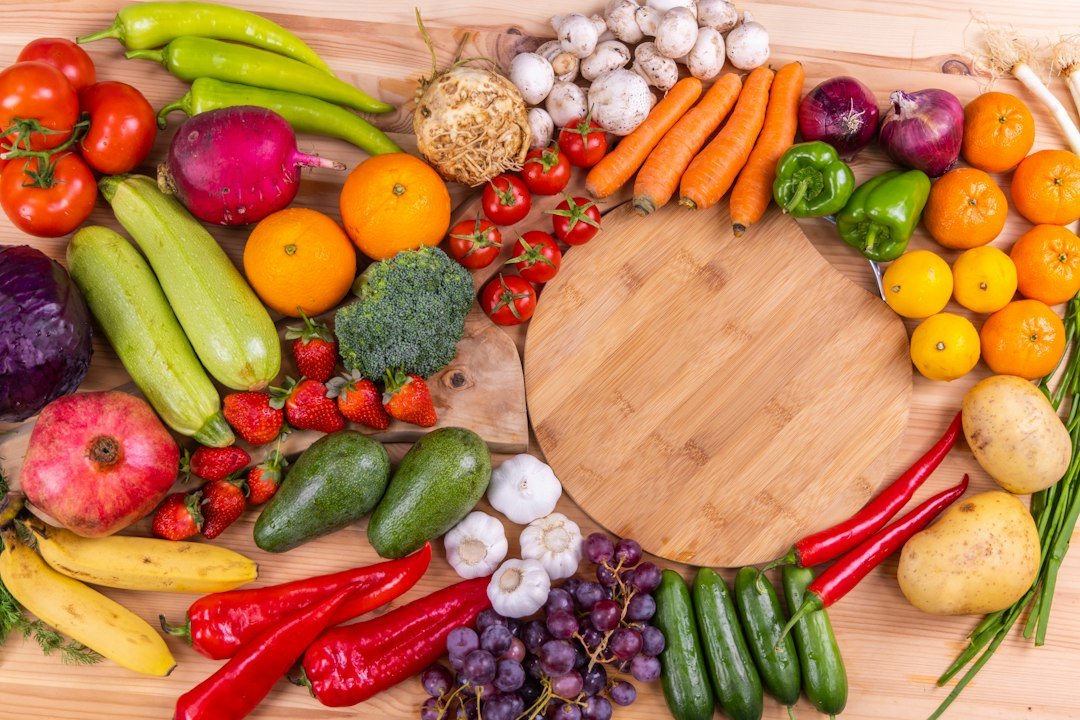
First, what are we ranking?
Nutrient density means how much useful nutrition a food provides relative to its energy content or serving size. Different scoring systems reward different nutrients, so rankings change depending on the method. The CDC’s well-known powerhouse fruit and vegetable study, for example, ranked watercress first among the produce it assessed, using 17 nutrients per 100 calories. That is a useful piece of evidence, not a universal health leaderboard.
Our practical superfood top ten
- Watercress and dark leafy greens: watercress, spinach, chard and kale bring folate, vitamin K, carotenoids and other micronutrients. Watercress topped the CDC’s specific fruit-and-vegetable nutrient-density ranking.
- Beans and lentils: fibre, plant protein, folate, iron and minerals, plus affordability and versatility. They are arguably the most underrated foods on this list.
- Oily fish: salmon, sardines, mackerel and trout provide protein and long-chain omega-3 fats. Sardines also bring calcium when the soft bones are eaten.
- Berries: blueberries, blackberries, raspberries and strawberries offer fibre, vitamin C and colourful polyphenols. Frozen berries count, too.
- Cruciferous vegetables: broccoli, cabbage, Brussels sprouts and cauliflower provide fibre, vitamin C and glucosinolate compounds.
- Whole grains: oats, barley, brown rice and wholegrain wheat supply fibre and a useful range of minerals. Oats deserve special mention for beta-glucan.
- Nuts and seeds: walnuts, almonds, pistachios, chia and pumpkin seeds provide unsaturated fats, fibre, protein and minerals.
- Fermented foods: live-culture yoghurt, kefir, kimchi and sauerkraut can add useful microbes and variety. Not every fermented product contains live cultures by the time it reaches the plate.
- Eggs: high-quality protein, choline, vitamin B12 and other nutrients in a compact, affordable package.
- Tomatoes and peppers: vitamin C, carotenoids and versatility. Cooked tomatoes are a particularly useful source of lycopene.
What about açai, spirulina and the expensive powders?
Some fashionable foods are nutritious. That does not make them uniquely powerful, and it certainly does not mean they are essential. Blueberries are lovely, but frozen blackberries or a handful of local seasonal fruit can do a perfectly good job. A tin of beans may offer more practical value than a very expensive tub of green powder.
The superfood that wins: the whole plate
If forced to choose a winner, I would choose legumes. They are nutrient-dense, rich in fibre, provide plant protein, store well, cost relatively little and appear in cuisines all over the world. But the real winner is variety: no single food supplies everything we need.
There is no magic ingredient. The magic is in what you eat most of the time.
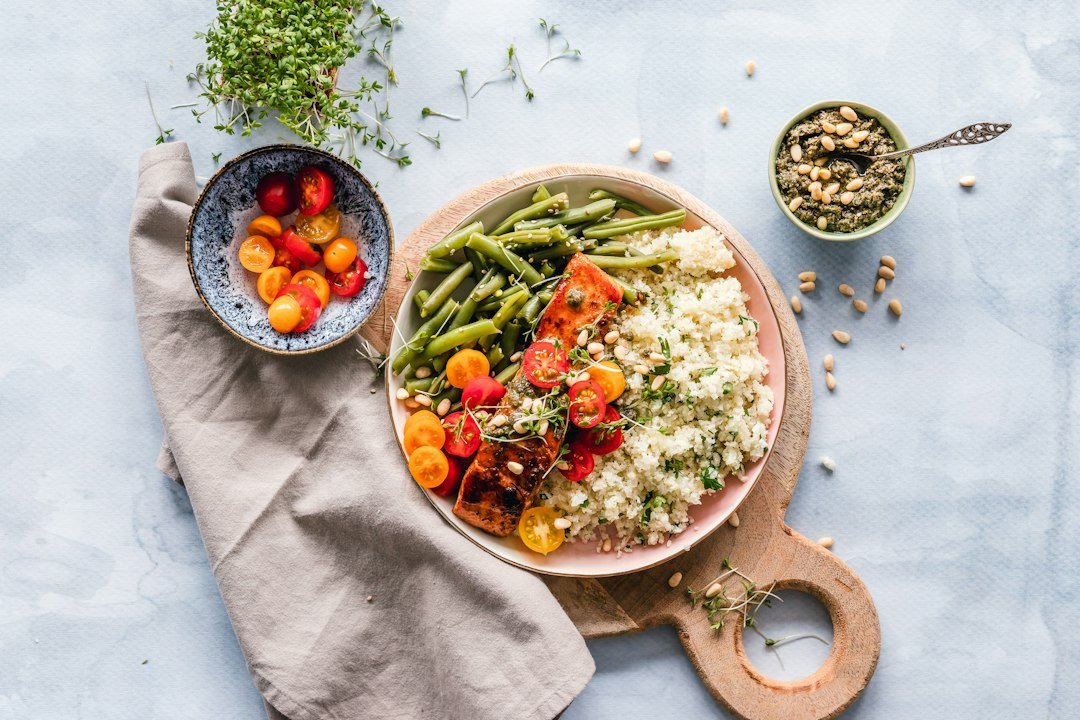
Build meals around vegetables, pulses, whole grains, fruit, nuts and seeds, with suitable protein sources. Enjoy the occasional fashionable ingredient if you like it. Just do not let a marketing label persuade you that health comes in a single packet.
Further reading
Harvard T.H. Chan School of Public Health: Superfoods or Superhype? – why the term has no scientific definition and why dietary patterns matter.
CDC: Defining Powerhouse Fruits and Vegetables – the nutrient-density method that placed watercress at the top of its list.
Journal of the American College of Nutrition: Nutrient Rich Foods Index – how researchers have developed more systematic ways to compare foods.