The Great Food Heist: Why Thieves Keep Stealing Cheese, Olive Oil and Chocolate
Forget diamonds and paintings for a moment. One of the world’s more surprising black markets has a distinctly edible smell. Cheese disappears by the pallet, olive oil by the tanker, and chocolate by the lorry-load. Food theft is not just a supermarket nuisance; it is a serious supply-chain problem, and the most attractive targets are often ordinary products with a ready market.
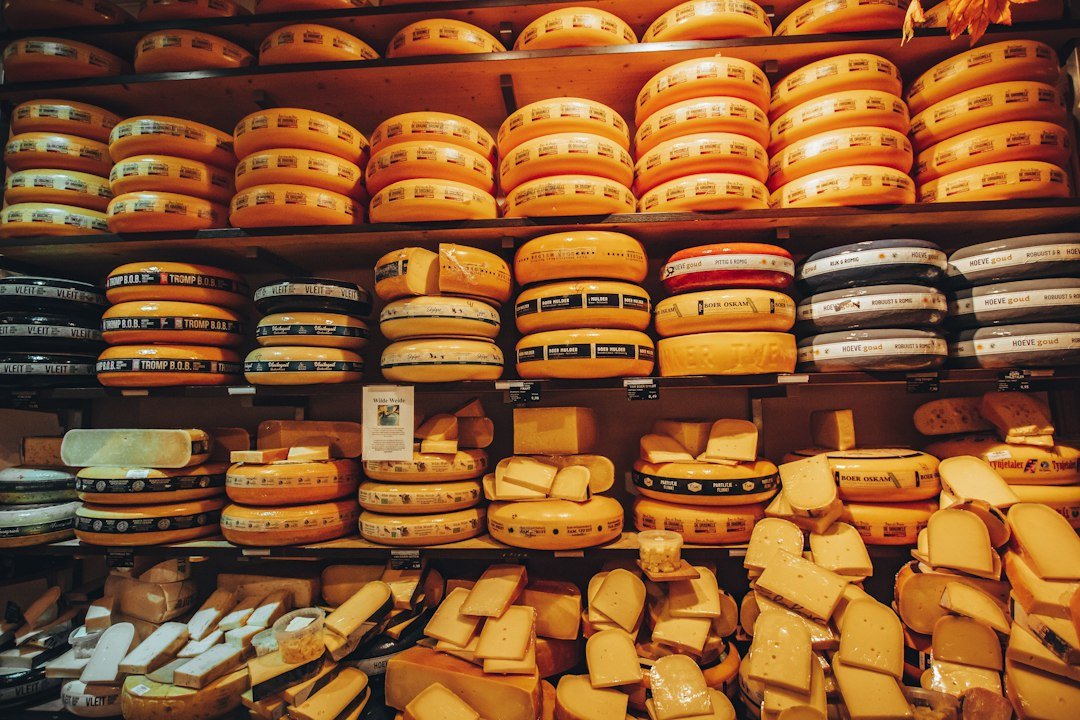
So what is the most stolen food in the world? There is no reliable global league table of individual foods. Theft reporting varies by country and sector. But cheese has become the poster child for high-value food theft, while industry reports consistently show food and drink among the most targeted cargo categories.
Why cheese is such an attractive target
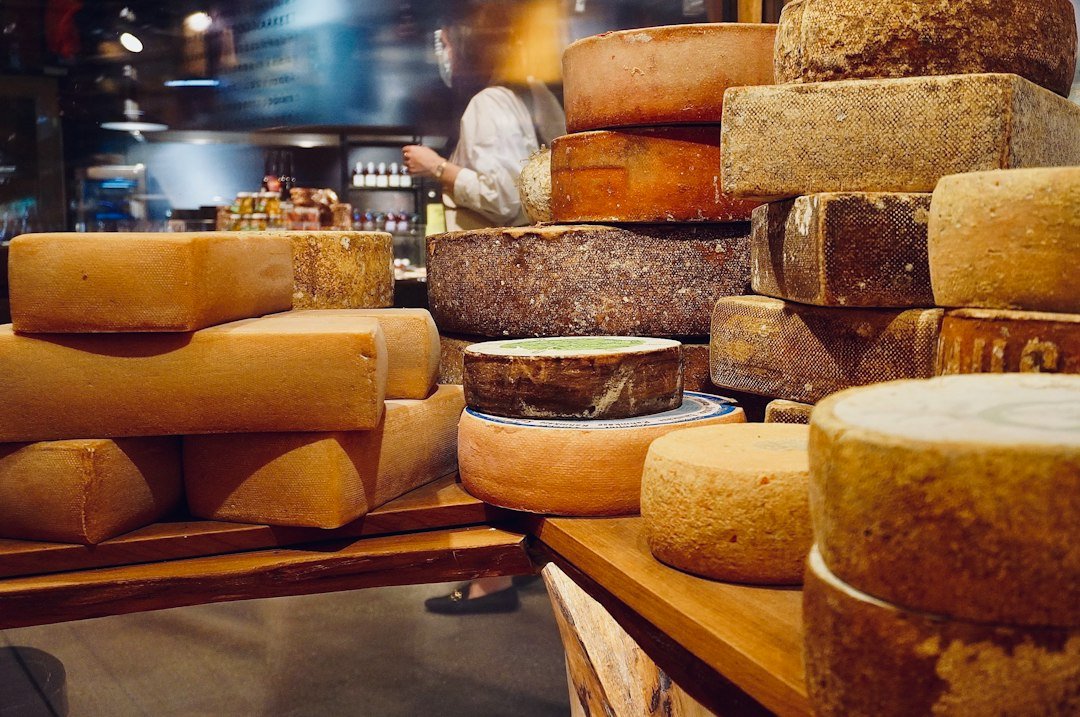
Parmesan and other hard cheeses are valuable, portable in commercial quantities and relatively easy to resell through legitimate-looking channels. A wheel can represent months of work and a significant amount of money. In Italy, criminal groups have targeted warehouses and dairies holding Parmigiano Reggiano, while retailers and producers elsewhere have faced large-scale thefts too.
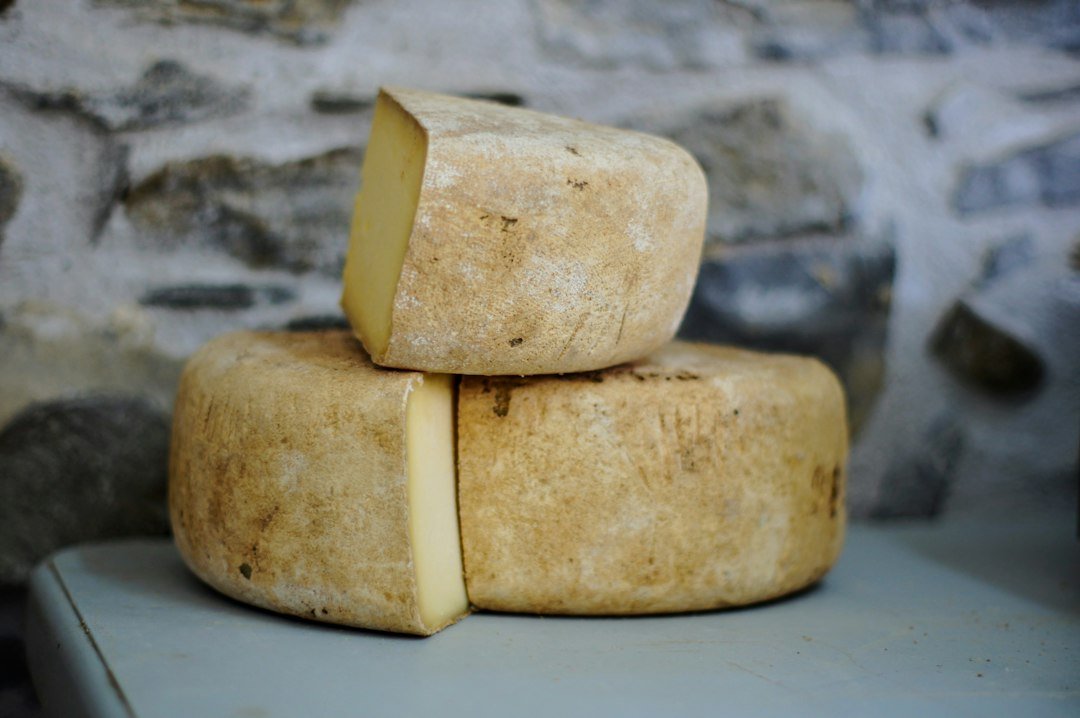
There is a practical problem for thieves: some cheeses are enormous and not exactly easy to carry under your coat. But a pallet, a van and a dishonest buyer can turn dairy into a surprisingly lucrative cargo.
Olive oil: liquid gold
Olive oil theft has become more attractive as prices rise and harvests are affected by drought and heat. In 2023, thieves stole 37 tonnes of olive oil from a mill in Greece, a loss worth hundreds of thousands of dollars. Oil can be siphoned, substituted or sold through opaque supply chains, which makes traceability important.
Chocolate: a sweet target
Chocolate is high-value, recognisable and easy to move. In 2023, a lorry carrying 200,000 Cadbury Creme Eggs was stolen in England. In March 2026, a shipment of 12 tonnes of KitKat bars was stolen while travelling from Italy to Poland. The latter made headlines because the haul was so enormous, and because it is difficult not to picture the world’s least relaxing Easter egg hunt.
What the numbers actually tell us
Supply-chain intelligence reports from BSI and TT Club consistently identify food and beverage as one of the leading categories in cargo theft. Their 2025 report puts food and drink at 14% of recorded cargo theft incidents, ahead of other individual commodity groups. These are cargo statistics, not a ranking of shoplifting from supermarkets, and they do not prove that cheese is the single most stolen food everywhere.
Why food theft matters beyond the headline
- Higher prices: theft and fraud add costs that can eventually be passed through the supply chain.
- Food fraud: stolen or diverted goods can be mixed, relabelled or sold without proper traceability.
- Producer losses: a theft can hit small farmers, dairies and cooperatives particularly hard.
- Consumer safety: products outside controlled storage and distribution may not be handled correctly.
So, is cheese really the world’s most stolen food?
It is a very good headline and a recurring feature of food-crime reporting, but the honest answer is that nobody has a comprehensive worldwide count by individual food. The better-supported conclusion is that food and drink are major cargo-theft targets, and high-value goods such as cheese, olive oil and chocolate are especially tempting.
When the price rises and the supply chain gets complicated, the pantry starts looking like a bank vault.
Further reading
BSI and TT Club: Global Cargo Theft Report 2025 – data on stolen cargo categories, methods and hotspots.
BSI: Food supply-chain thefts rise – analysis of food and agricultural theft trends.
Longreads: The Grate Cheese Robbery – reported cases of cheese, olive oil, eggs and chocolate theft.