Bananas Are Not Just Bananas: 12 Varieties You Should Know
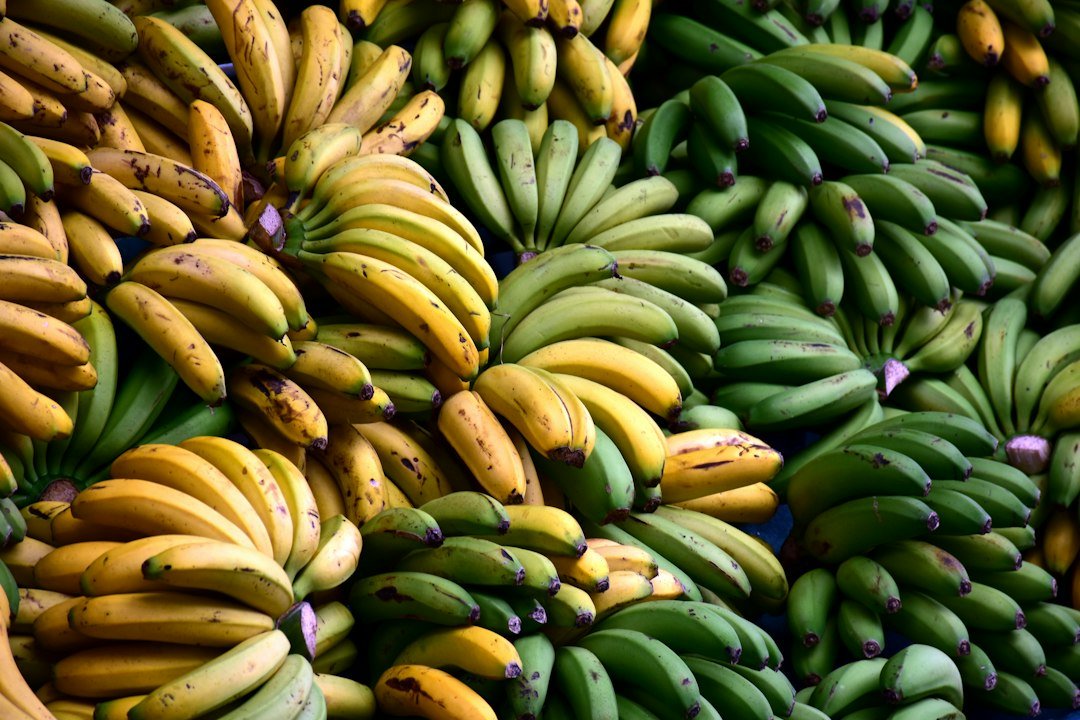
Walk into most British supermarkets and you could be forgiven for thinking bananas come in one variety: yellow, gently curved, sold in a bunch and occasionally bruised in your bag. But the Cavendish is only one member of a huge banana family. Across the tropics, people cook, fry, boil, roast, ferment and eat bananas that look and taste very different from the familiar lunchbox fruit.
There are around a thousand cultivated banana varieties, with enormous diversity in size, colour, texture and use. Here is a guide to some of the types worth knowing.
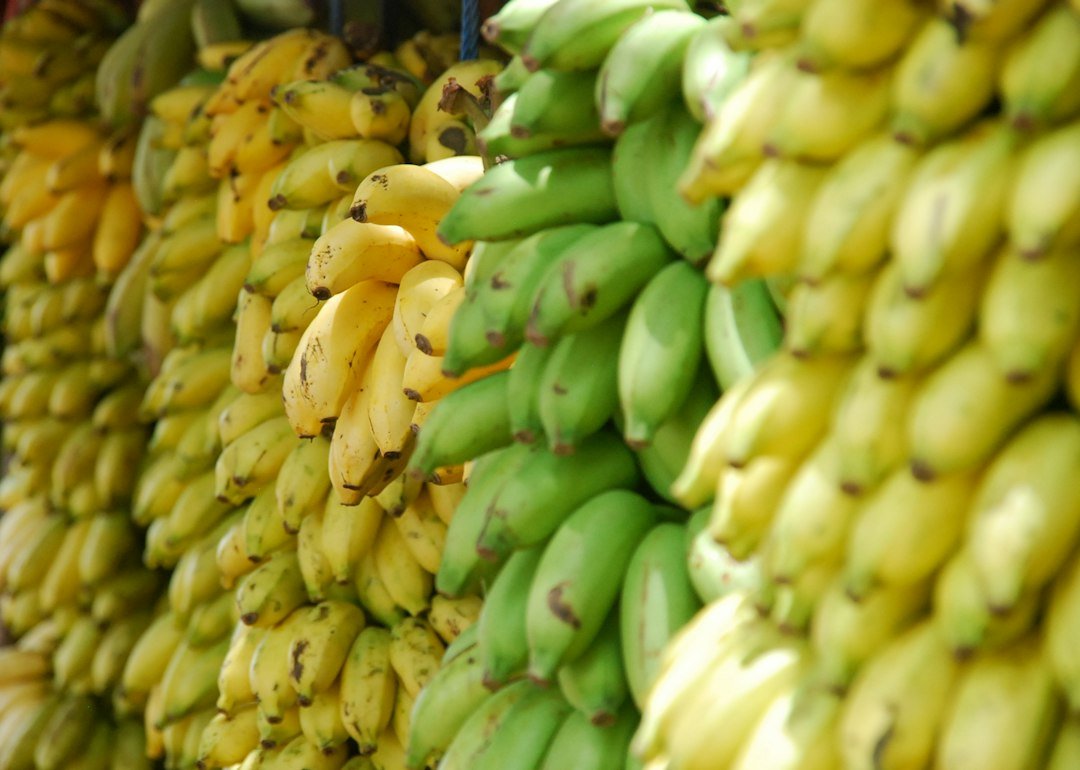
First, banana or plantain?
Botanically, plantains are bananas too. The everyday distinction is culinary: dessert bananas are usually sweet and eaten raw when ripe, while plantains and many cooking bananas are starchier and generally cooked. The boundary is not absolute, and local names can be confusing.
12 banana varieties to look out for
- Cavendish: the supermarket standard and dominant export banana. Mild, sweet and reliably available, it accounts for almost the entire global export market.
- Gros Michel: the variety that dominated international trade before Panama disease devastated plantations in the twentieth century. It is still grown in some regions and is often described as richer and more aromatic.
- Lady Finger (Sucrier): small, slender and sweet, with a delicate texture. Names vary by country and cultivar.
- Red banana: reddish-purple skin, creamy flesh and often a slightly berry-like sweetness when ripe.
- Burro banana: short and chunky, with a tangy, lemony note and firmer flesh.
- Manzano or apple banana: a small banana with a sweet-tart flavour sometimes compared with apple or strawberry.
- Blue Java: a pale, blue-green-skinned cultivar when unripe, known for a creamy texture and nickname “ice cream banana”.
- Plantain: large, firm and starchy. Green plantain is excellent fried or boiled; ripe plantain becomes sweeter and caramelises beautifully.
- Cooking banana: a broad category of starchier bananas used in stews, mashes and savoury dishes, especially in parts of Africa and the Caribbean.
- Fe’i banana: a distinctive Pacific group, often with upright bunches and orange to yellow flesh, traditionally cooked.
- Rasthali / Silk group: fragrant dessert bananas grown in South Asia, with a soft texture and sweet flavour.
- Matoke (East African Highland bananas): important cooking bananas in Uganda and neighbouring countries, commonly steamed or stewed until tender.
Why do supermarket bananas all look the same?
Global export trade favours fruit that survives harvesting, packing, shipping and ripening at scale. Cavendish bananas fit that system well, and the industry has built its supply chains around them. That convenience comes at the cost of variety on supermarket shelves.
The banana has a genetic story, too
Most edible bananas descend from crosses and domestication involving two wild species, Musa acuminata and Musa balbisiana. Many cultivated bananas are seedless or nearly seedless and reproduce vegetatively. This makes them convenient to eat but can leave commercial crops vulnerable when a disease spreads through genetically similar plants.
The Gros Michel was largely displaced by Panama disease; the Cavendish later became dominant. Today, new strains of Fusarium wilt, including Tropical Race 4, remain a serious concern for banana production.
Which one should you try?
If you find red bananas or Lady Fingers, try them ripe as a snack. Pick up plantains for frying, roasting or adding to a stew. And if you ever see a market stall with a dozen local varieties, ask the seller which ones are best for cooking. You may discover that the banana aisle has been hiding an entire world.
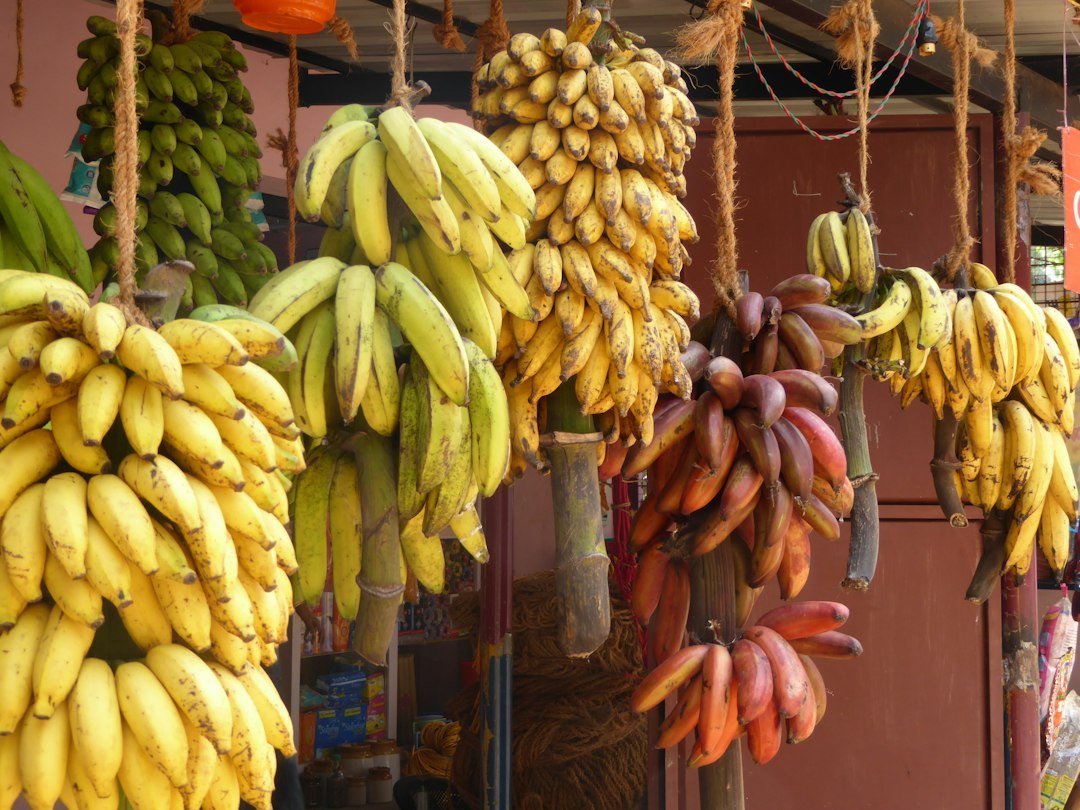
The banana we know best is not the banana the world knows best.
Further reading
CGIAR Genebanks: Banana – diversity, domestication and the major groups of cultivated bananas.
Kew: Cavendish banana – how one cultivar came to dominate global exports.
OECD: International Standards for Bananas – commercial varieties and produce classification.