Kimchi: Korea’s Fermented Favourite Has a Much Longer Story Than TikTok
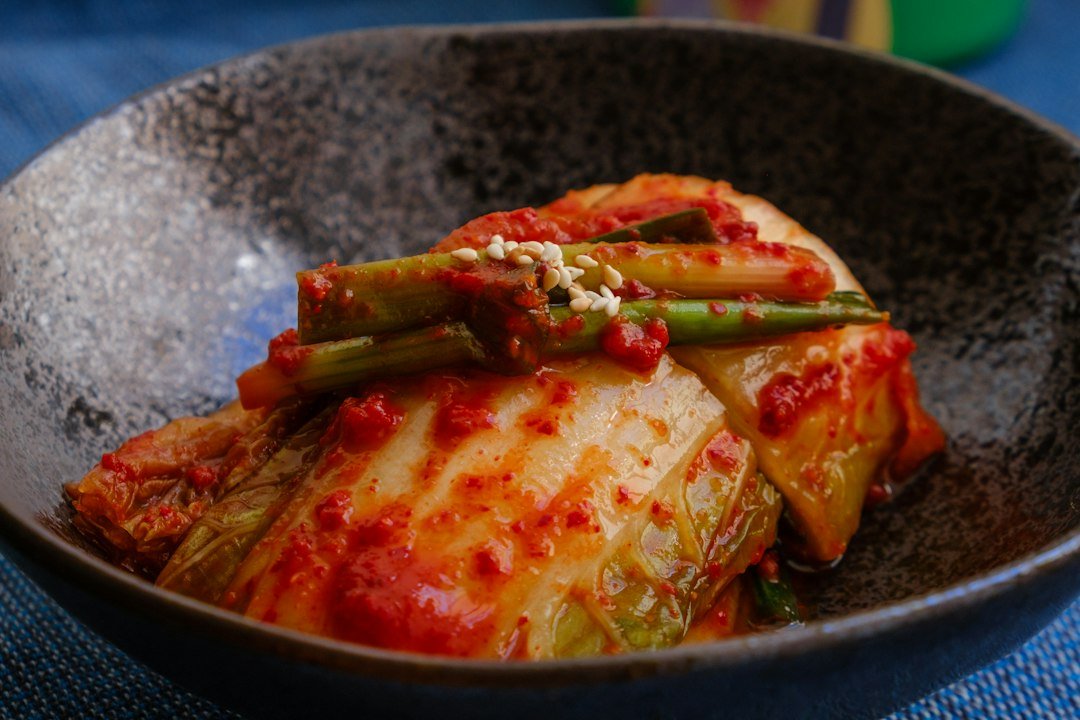
I’ve noticed kimchi turning up in places where you wouldn’t have found it a few years ago. Burgers, toasties, noodles, even the odd posh sausage roll. It’s tempting to think this is a new food fashion, but Korea has been fermenting vegetables for generations. The internet has only just caught up.
It started as a way to keep vegetables
Kimchi is not one recipe. It is a family of fermented vegetable dishes, with regional, seasonal and household variations. Napa cabbage is the version many of us recognise, but radish, cucumber, spring onion and other vegetables all have their place.
Before refrigeration, preserving vegetables mattered. Salting and fermentation helped people keep seasonal produce available through colder months. The exact ingredients changed over time as trade introduced new crops and tastes. The chilli-red cabbage version is not the whole history of kimchi, and it certainly wasn’t the only version on the table.
Why does it taste so lively?
Salt draws moisture from the vegetables and creates conditions in which lactic-acid bacteria can thrive. These microbes convert naturally occurring sugars into acids, building the tangy flavour and helping preserve the vegetables. Garlic, ginger, spring onion and fermented seafood may add further depth, depending on the style.
That combination gives kimchi its particular punch: sour, salty, savoury, spicy and crunchy. It is a proper flavour with its elbows out.
Kimchi isn’t a garnish with a marketing department. It’s a whole preservation tradition in a bowl.
How to use it without making every meal taste the same
- Fried rice: Chop it and fry it with cold rice, spring onions and an egg. Add a spoon of the juice for extra tang.
- Cheese toastie: Drain it well, chop it finely and pair it with mature cheddar. The acidity cuts through the richness.
- Quick noodles: Stir a little into broth near the end, then top with sesame and spring onion.
- Leftover roast meat: Use it as a sharp, crunchy counterpoint in a sandwich or rice bowl.
Buying and storing it
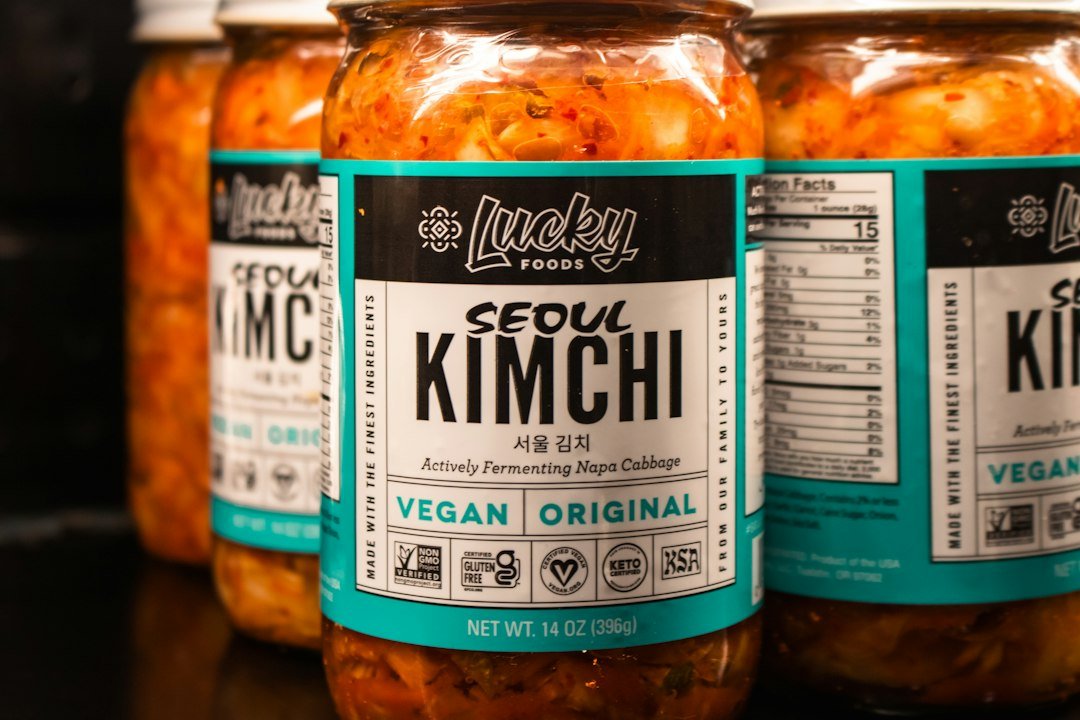
Look for refrigerated kimchi if you want a live, actively fermenting product, and check the label for ingredients that suit your diet. Keep it chilled and use a clean utensil. As it ages, the flavour generally becomes more sour, which makes older kimchi particularly useful in cooked dishes.
Kimchi’s current popularity is deserved, but it doesn’t need a trend forecast to justify itself. It is clever, delicious food that solves a real kitchen problem: making vegetables last and taste brilliant.
Further reading
- Kimchi — The National Folk Museum of Korea explains kimchi’s preservation roots, ingredients and distinctive traditions.
- Kimchi throughout millennia: a narrative review on the early and modern history of kimchi — An academic review traces kimchi’s development, regional changes and modern global history.