The Hidden Sugar in Everyday Foods
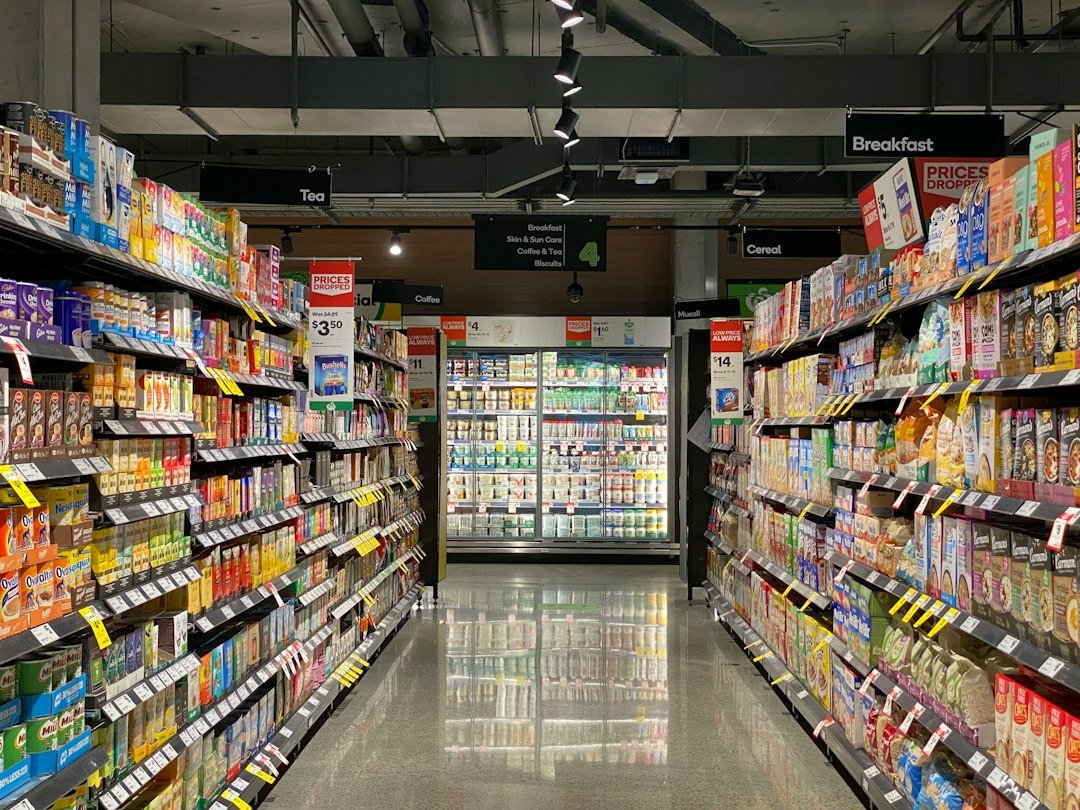
I once bought a barbecue sauce that was so sweet it could probably have been poured over ice cream. It was meant for ribs. I checked the label afterwards and, well, there was the explanation.
Sugar turns up in some very unlikely places, and you don’t always notice it because salt, acidity and spice can disguise the sweetness.
Why put sugar in savoury food?
Sugar isn’t only there to make things taste sweet. It can balance acidity in tomato sauces, help with browning, affect texture and round out sharp or spicy flavours. In small amounts it can make a sauce taste more complete.
In larger amounts, it can take over the whole show.
Where to look
- Ketchup, barbecue sauce, sweet chilli sauce, salad dressings and marinades are obvious places to start.
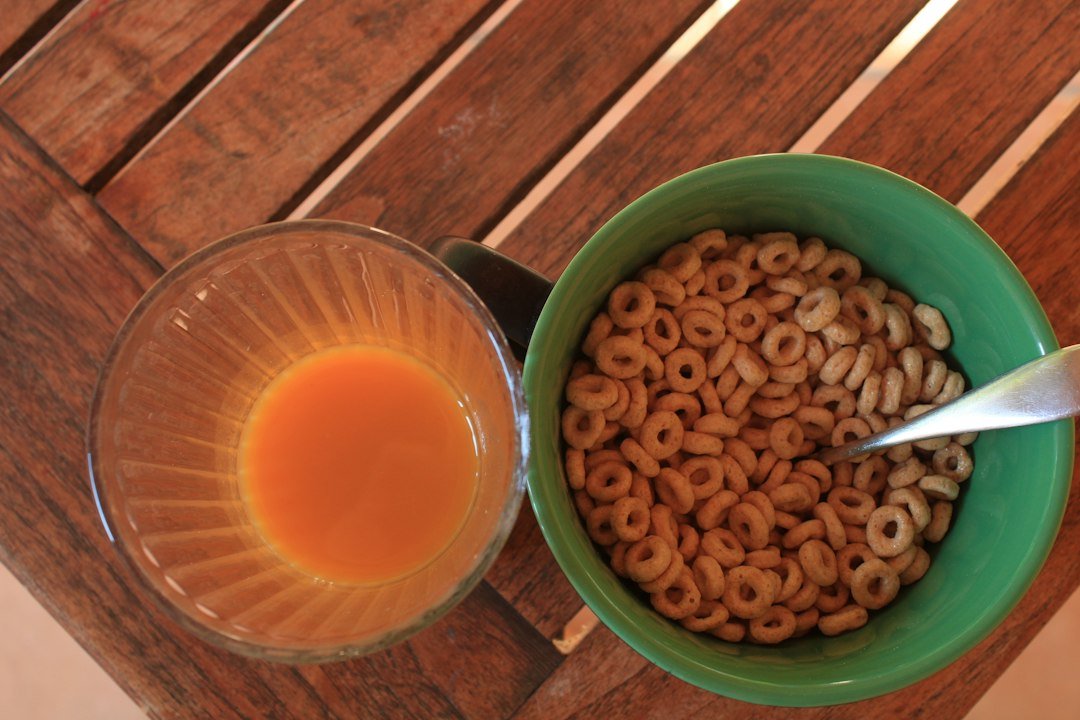
- Breakfast cereals, granola, flavoured yoghurt, packaged soups and some breads can also contain added sugars.
- That doesn’t mean every product in those categories is loaded with it.
- Recipes vary by brand, so compare the actual labels.
A useful habit is to check products you buy regularly rather than trying to inspect every packet in the shop. You might find that one brand of pasta sauce has very little sugar while another is noticeably sweeter. Same goes for cereal and yoghurt.
A small change repeated every week is more useful than a grand supermarket overhaul you abandon by Thursday.
How to compare without getting bamboozled
- Compare per 100g or 100ml: the “of which sugars” figure gives you a fair basis for comparing similar products.
- Think about the portion: then consider how much you actually eat. A tiny serving can look innocent on the label, but nobody puts a teaspoon of dressing on a salad and calls it a day.
- Check the ingredients: the sugars figure includes naturally occurring sugars too, such as lactose in milk. Look for sugar, syrups, honey or concentrated fruit juice if you want to understand what has been added.
Just know what you’re buying, choose a less sweet version when you prefer it, and don’t let a shiny “natural” label do all the thinking for you.
A useful point to remember
Further reading
- Sugar: the facts — The NHS explains free sugars, food labels and the many names added sugars can take.
- How to cut down on sugar in your diet — Practical advice on spotting and reducing added sugars.
Featured photograph: Franki Chamaki / Unsplash.