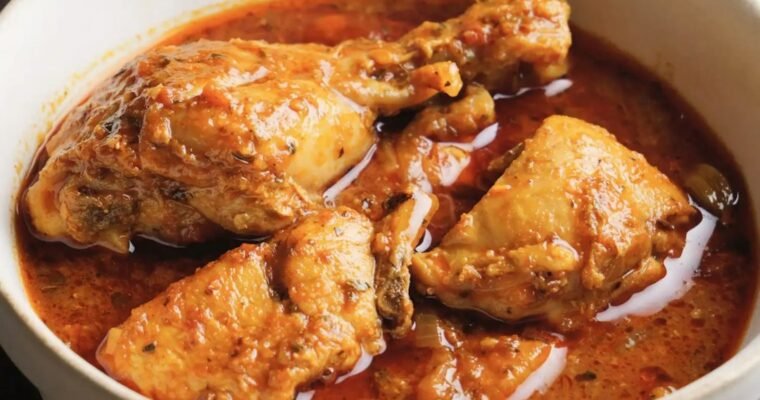
Chicken Tikka Masala: The Dish Britain Made Its Own
Chicken tikka masala is a British South Asian restaurant classic with South Asian roots and an origin story that remains disputed.
Chicken tikka masala is a British South Asian restaurant classic with South Asian roots and an origin story that remains disputed.
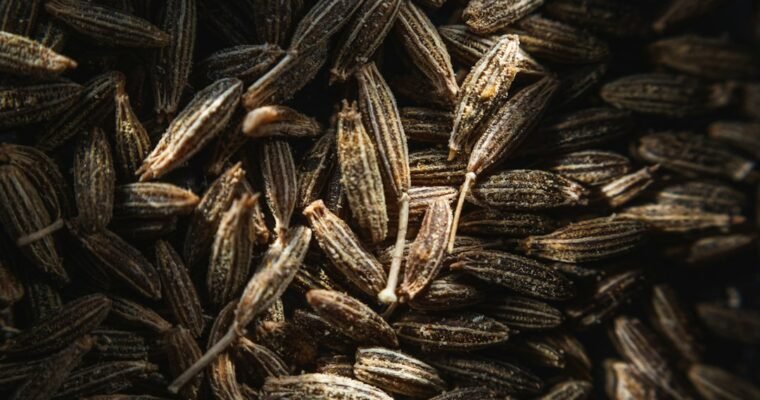
Blooming spices in hot oil releases aromatic compounds and helps distribute flavour through a dish. Here’s how to do it without burning them.
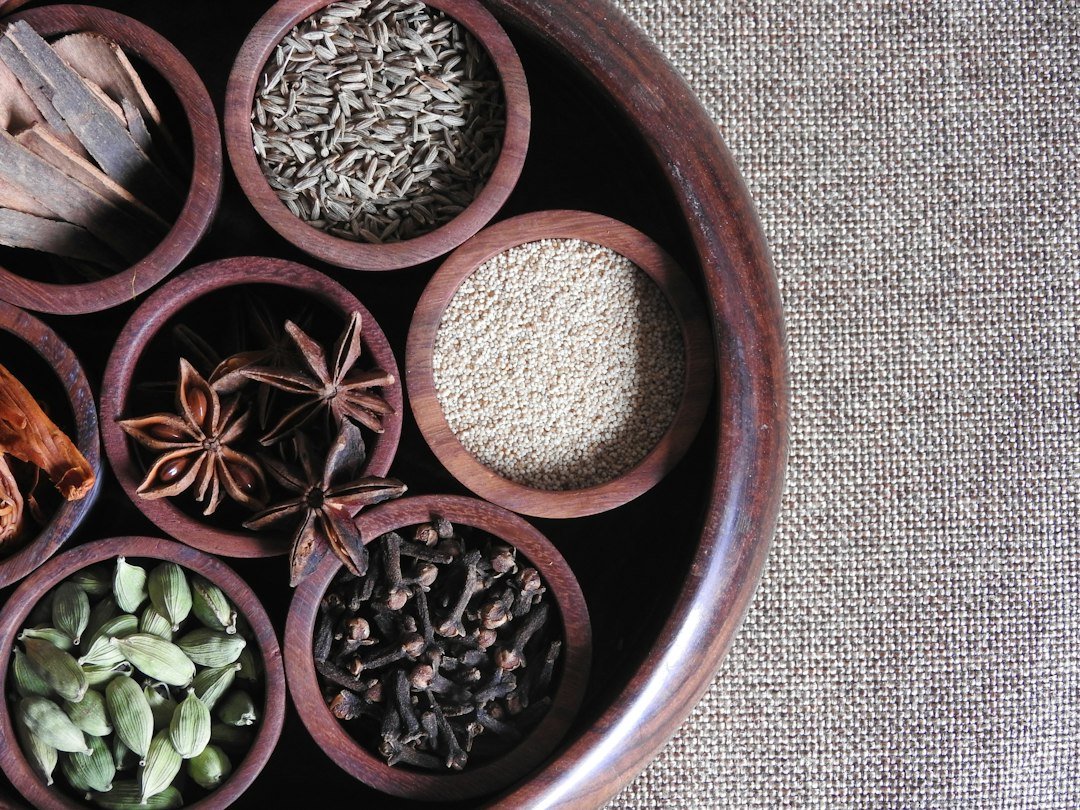
I’ve seen people add garam masala to a curry at the beginning, leave it bubbling for an hour and then wonder why it tastes a bit flat. It’s not a crime, but it is a missed opportunity. Garam masala is about fragrance, and fragrance is something you want to look after.
Garam masala is a family of spice blends used across South Asian cooking. Open a few packets and you’ll find different proportions and sometimes different ingredients. That’s normal.
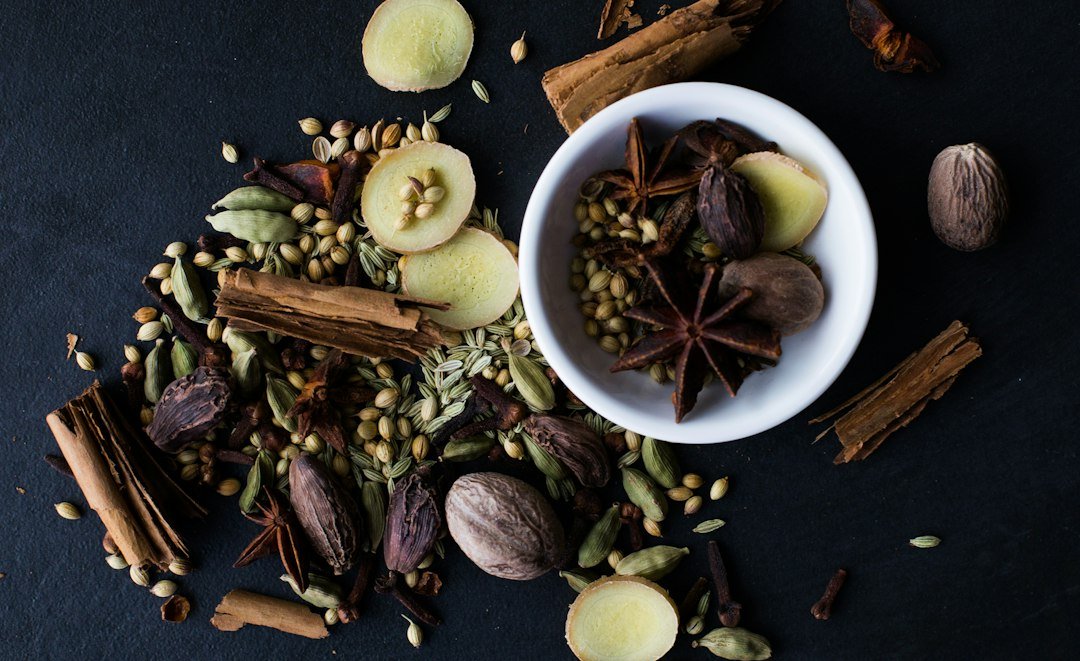
Recipes vary by region, household and the dish being cooked. Anyone insisting there’s one authentic formula is selling you a story, not a spice blend.
The word garam means warm or heating, while masala means spice mixture. It doesn’t mean the blend must be hot with chilli. Many garam masalas are aromatic and warming rather than fiery.
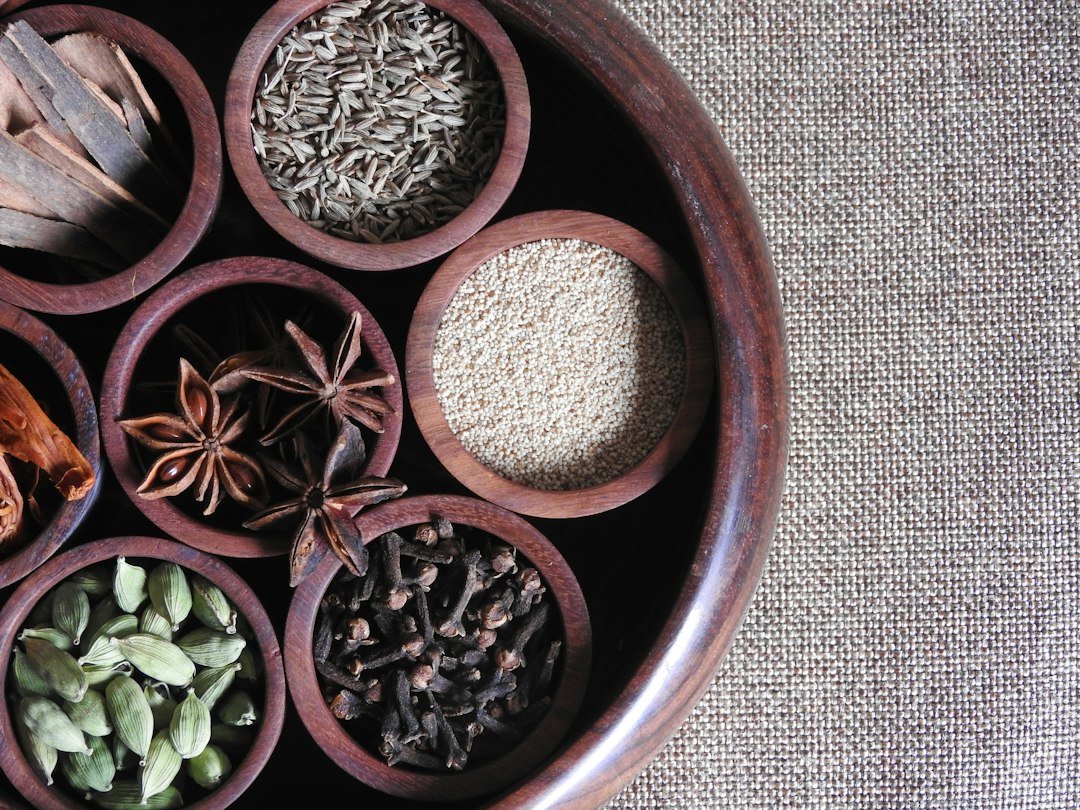
If a blend is mostly chilli powder, I’d be asking some questions.
Ground spices lose some of their delicate aroma when cooked for a long time. That’s why many cooks add garam masala towards the end, allowing it to perfume the dish without being boiled into submission. A pinch stirred through just before serving can make a real difference.
You can also use it in marinades, depending on the recipe.
If you have whole spices and a grinder, try making a small batch. Toast them gently until fragrant, not dark and smoking, then cool before grinding. Keep the blend in an airtight jar and make only as much as you’ll use in a few weeks.
Freshly ground spice has a liveliness that old powder simply can’t fake.
My rule is simple: use garam masala to add aroma and depth, not as a substitute for learning how to season a curry. Taste the dish first.
Then decide what it needs.
Featured photograph: Ameya Purohit / Unsplash.
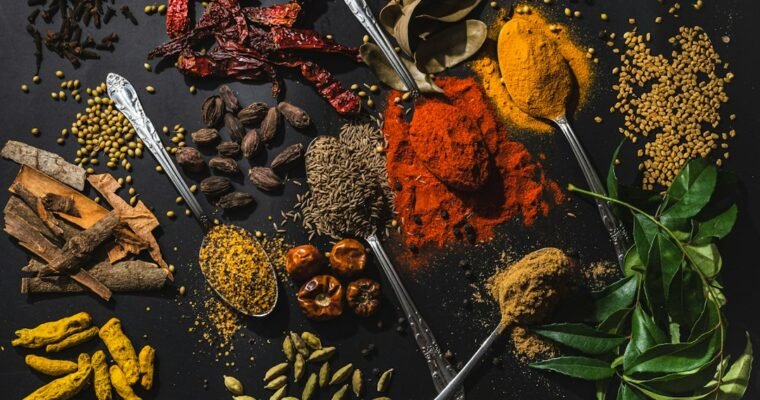
A guide to the spices commonly found in Pakistani home cooking, with practical notes on flavour and use.

Added sugar can hide in savoury sauces, cereals and packaged foods. Learn where to look and how to compare labels.
I grew up in the era when everything seemed to come in a low-fat version. Low-fat yoghurt, low-fat spreads, low-fat biscuits. Some of them tasted like sweetened wallpaper paste.
We were told fat was the villain, and the food industry obligingly sold us a lot of products to replace it. The truth is rather less dramatic.
Dietary fat is essential. Your body uses it for energy, cell structures and hormone-related processes, and it helps you absorb vitamins A, D, E and K. Certain fatty acids must come from food because your body can’t make enough of them itself.
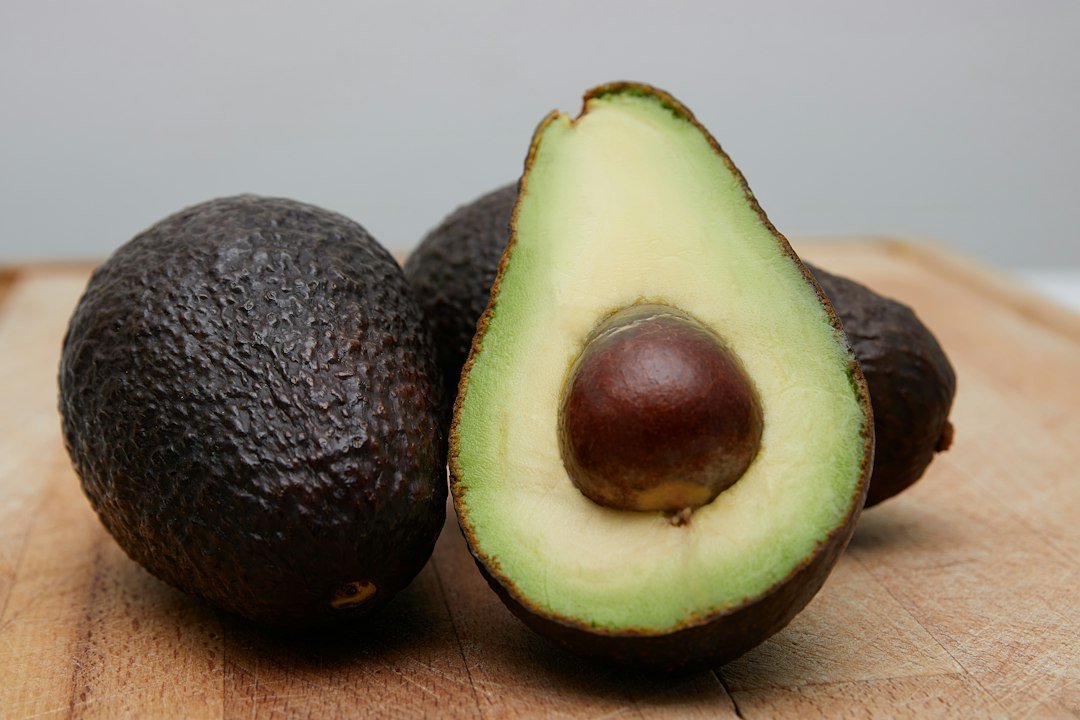
So no, cutting out all fat is not a clever plan.
Fat provides around nine calories per gram, compared with roughly four calories per gram from carbohydrate or protein. That makes it energy-dense. A generous pour of oil, a handful of nuts or a thick spread of butter can add up quickly.
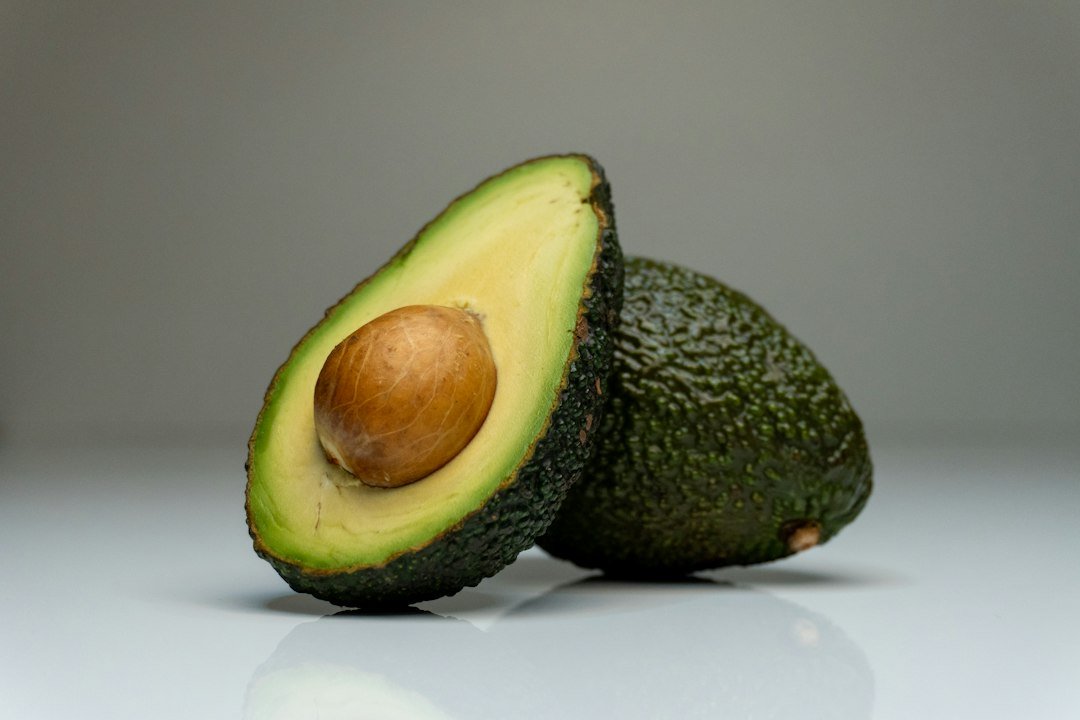
But energy density isn’t the same as a magical ability to turn directly into body fat.
Body weight is influenced by long-term energy balance, appetite, activity, sleep, genetics, medication and the food environment. A diet full of highly palatable foods can make it easy to eat more than you need. Those foods often combine fat with refined starch, sugar and salt.
It’s the overall pattern that matters, not one nutrient in isolation.
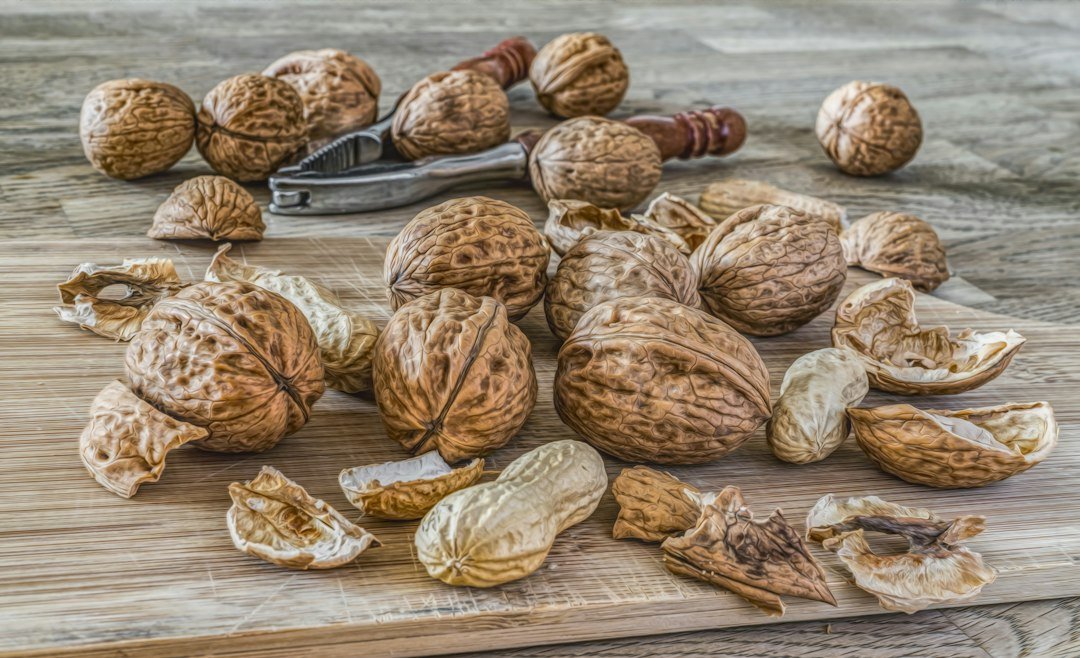
Cook with sensible amounts of good oils, eat nuts and seeds, enjoy your food and don’t fear a bit of fat. Portion sizes matter, but so does satisfaction.
A meal that tastes good and keeps you full is a lot more useful than a miserable plate you raid the biscuit tin after.
Featured photograph: Felix Mittermeier / Unsplash.

Sugar appears under many names on ingredient labels. Learn the common terms and how to compare products sensibly.
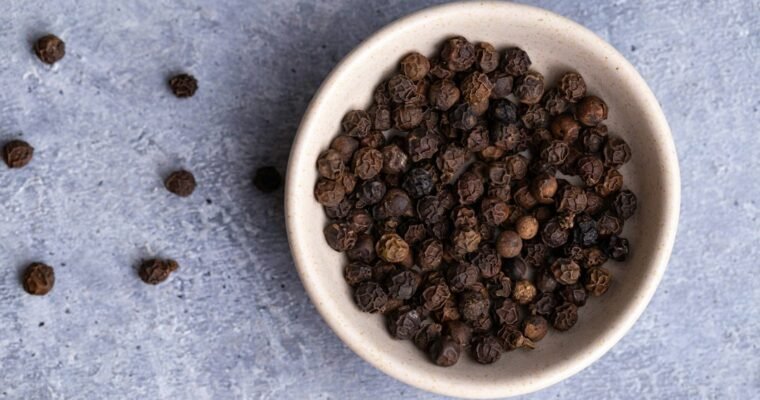
Black pepper was once a prized and costly trade good, thanks to long-distance commerce, risk and demand in European markets.
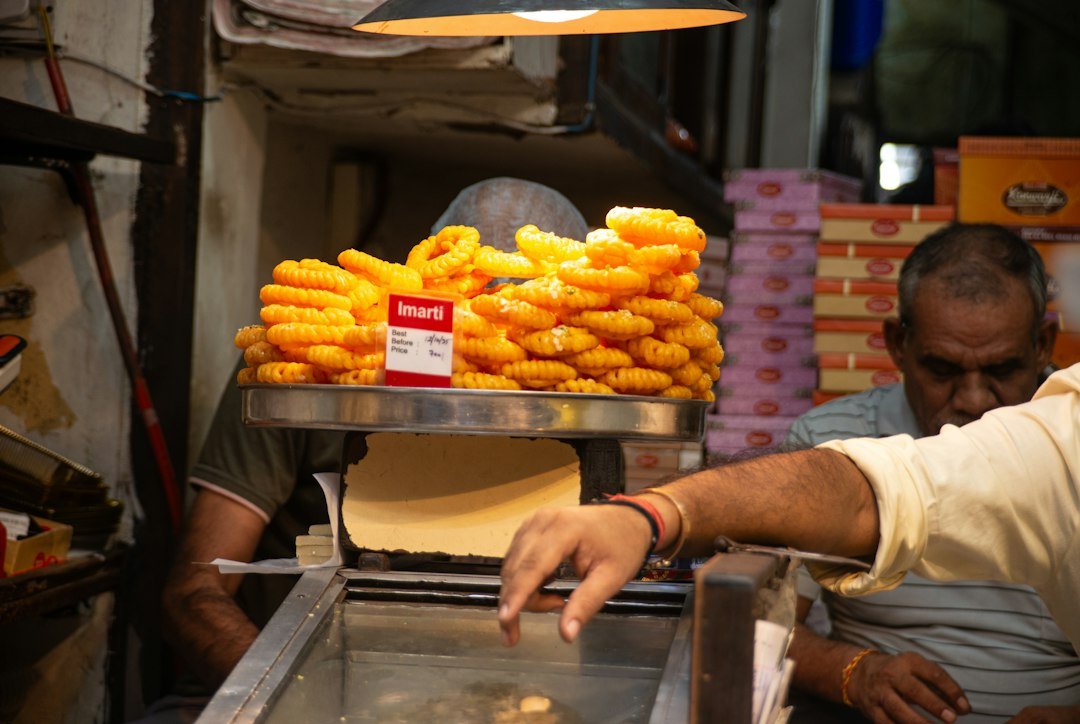
I was making a batch of sweets with my mum years ago when someone asked why Americans say “candy” and we say “sweets”. It sounds like the sort of question that ought to have a dull answer. It doesn’t.
The word has travelled a rather longer road than most of the things sitting in a sweet shop window.
English got candy through French, from the Arabic qandī, meaning something made with sugar. The trail goes further back through Persian and Sanskrit words connected with crystallised sugar. One important ancestor is Sanskrit khaṇḍa, referring to a piece or fragment of sugar.

Languages borrow from one another all the time, particularly when people are trading something delicious.
For much of history, refined sugar was a valuable ingredient. Knowledge of sugar production and crystallisation developed in South Asia and spread through Persia and the Arab world. As merchants moved sugar and confectionery around, they also carried the words and techniques associated with it.
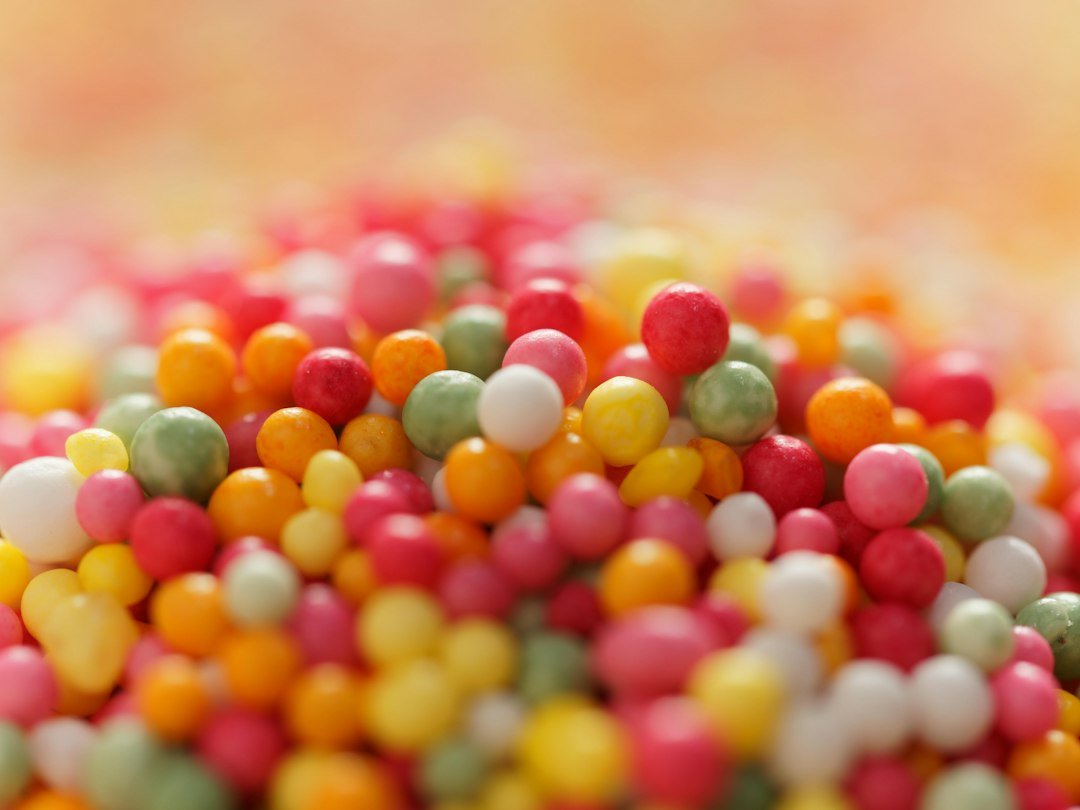
You can almost picture the exchange: here’s a new way to make sugar, and here’s what we’re calling it.
Early uses of candy referred to crystallised sugar or a sweet preparation. Over time, the meaning widened to cover all sorts of confectionery. In modern American English, candy is the everyday word.
In Britain, we generally say sweets, while confectionery is the more formal umbrella term. We do like making simple things sound official.
Food words are full of these journeys. Ingredients cross borders, recipes change, and the names change with them. The word candy is a small reminder that the history of food is also the history of trade, migration and people borrowing good ideas.
So next time somebody tells you candy is just an American word, you can gently point out that its family tree runs through Arabic, Persian and Sanskrit. Then offer them a sweet.
No need to be unbearable about it.
Featured photograph: Zoshua Colah / Unsplash.

Chillies began in the Americas, then travelled through global trade routes to transform kitchens across Asia and beyond.