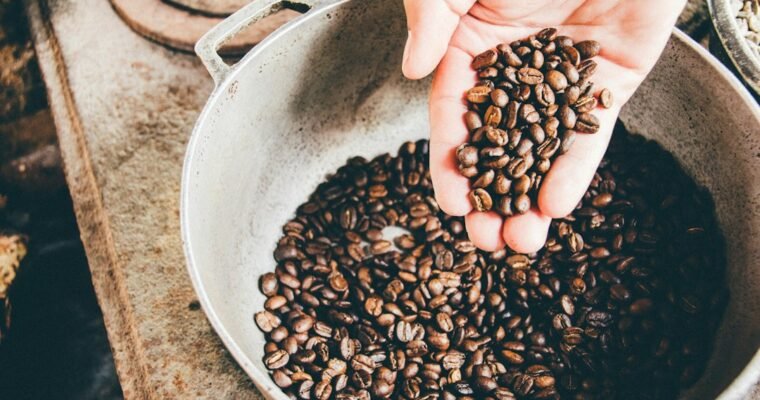
The Real Story of Coffee: Ethiopia, Yemen and the Goat Legend
Coffee’s origin story is often told with dancing goats. The real history is more interesting, linking Ethiopia, Yemen, Sufi communities and a drink that travelled the world.
Coffee’s origin story is often told with dancing goats. The real history is more interesting, linking Ethiopia, Yemen, Sufi communities and a drink that travelled the world.
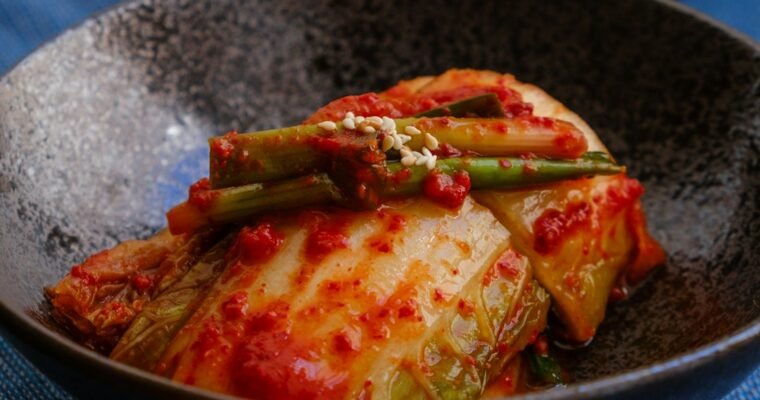
Kimchi is everywhere in 2026, but Korea’s fermented cabbage tradition is centuries old. Here’s how it developed, why it tastes so good and how to use it beyond a side dish.

I can tell a lot about a place by what people are eating on the street. Not the fancy restaurant with the tasting menu and a waiter explaining the soil. The stall with a queue, a hot griddle and somebody cooking at speed.
That’s where you often find the food people actually love. And usually at a price that doesn’t require a small bank loan.
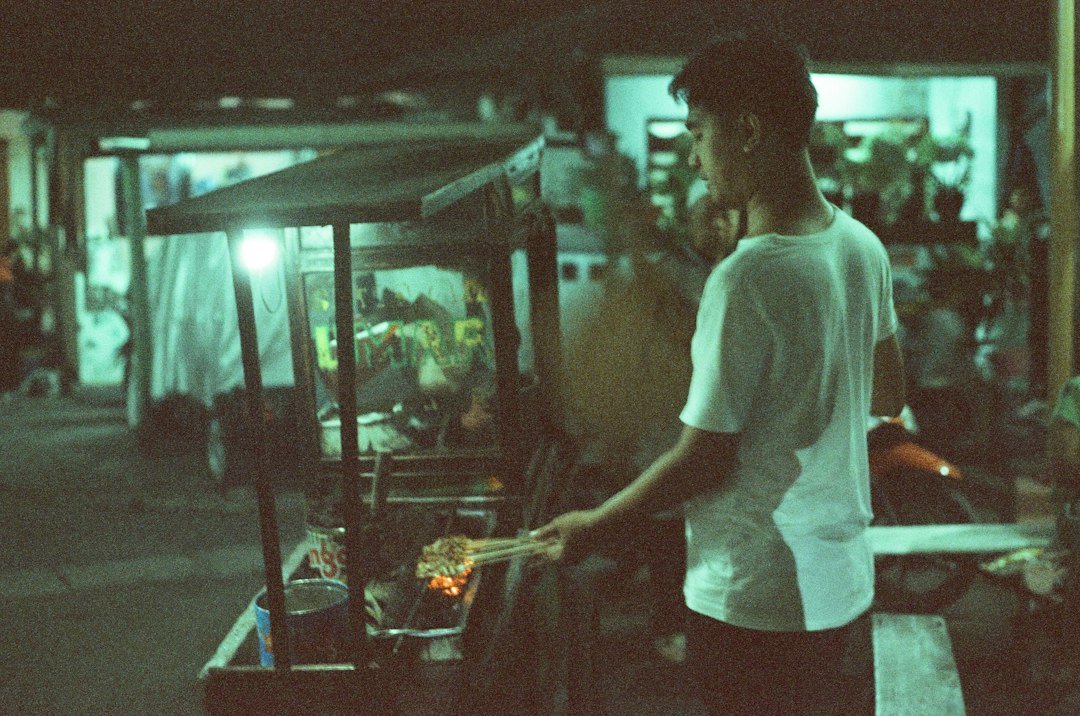
Street food is shaped by local ingredients, climate, working hours, migration and the need for something quick, affordable and satisfying. It can be breakfast on the way to work, a late-night snack or a meal eaten standing beside a busy road. The best examples are rooted in their neighbourhoods, not designed for a glossy travel brochure.
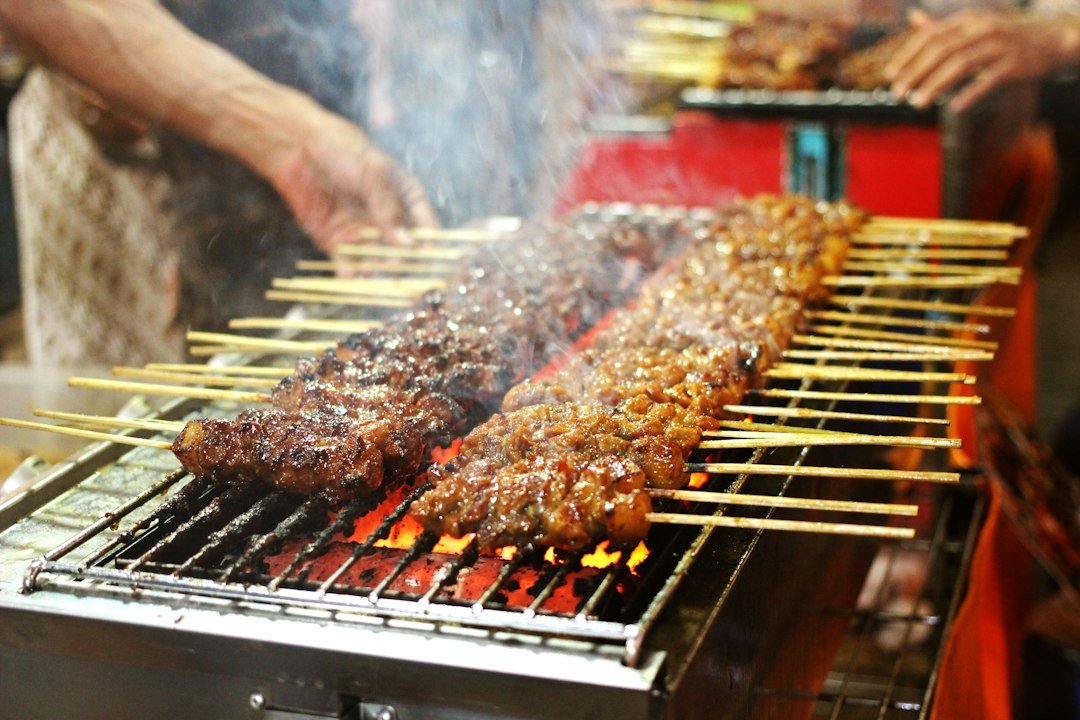
A busy stall can look chaotic, but the good ones are carefully organised. Ingredients are prepped, cooking stations are arranged for speed and the person at the griddle knows exactly what comes next. Repetition builds skill.
The cook might be turning out dozens of portions an hour, but each one still needs the right balance of heat, texture and seasoning.
Street food also tells stories about trade and migration. Ingredients move, techniques are adapted and dishes change as communities settle in new places. Sometimes a food becomes so familiar that people forget how far it travelled to get there.
My advice when travelling? Follow the queue, look for food being cooked fresh and try something you don’t recognise. Be sensible about hygiene, of course, but don’t spend the whole trip eating things you could have bought at home.
The best food stories are often served on paper, with a napkin that gives up halfway through.
Featured photograph: Jeswin Thomas / Unsplash.

Roti, naan, paratha and other breads are central to meals across Pakistan, with regional styles shaped by crops and cooking traditions.
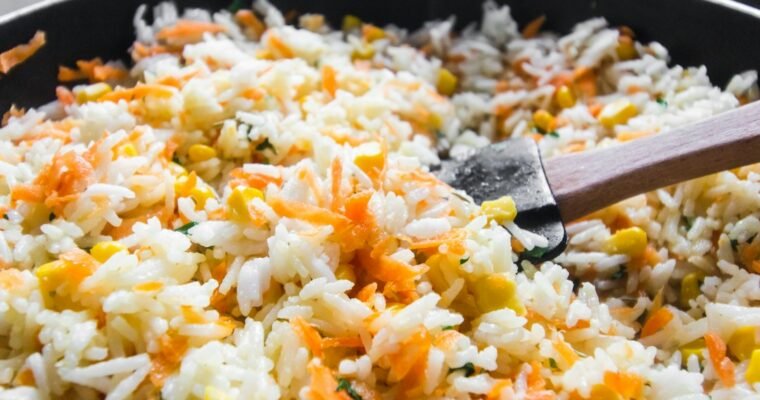
Leftovers have inspired dishes around the world, from Italian bread soups to British bubble and squeak and South Asian rice dishes.
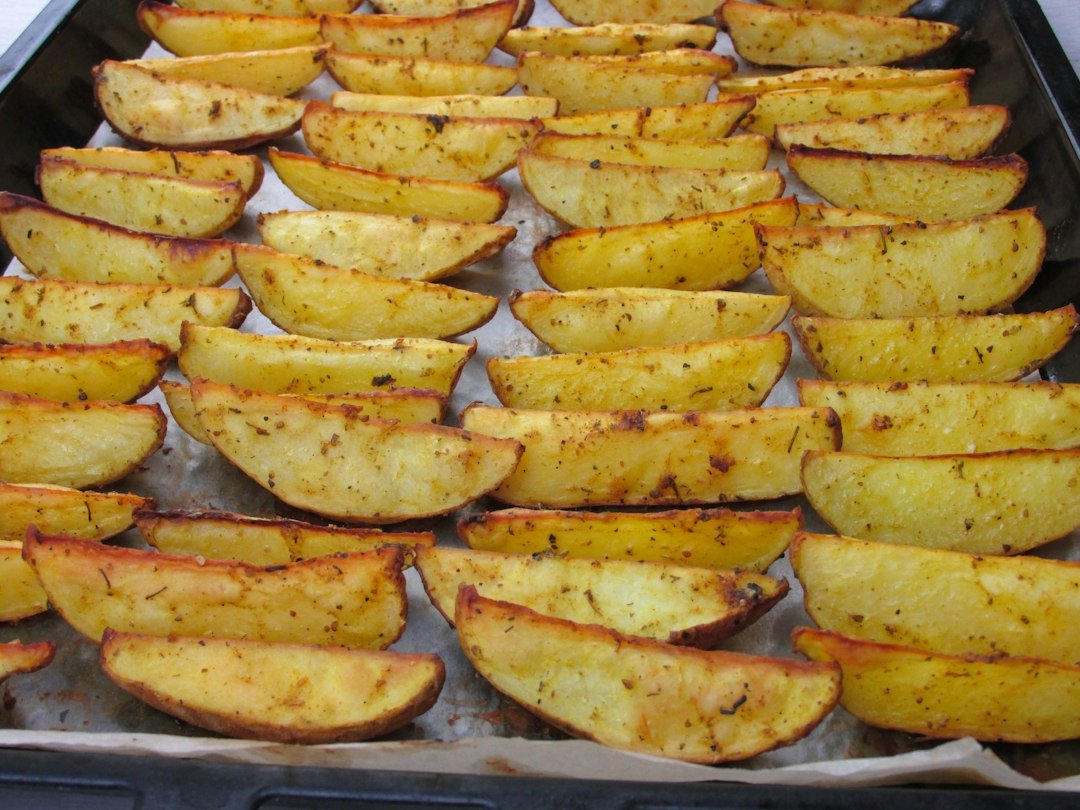
I have strong feelings about roast potatoes. They should be crisp enough to make a little noise when you cut them, with a fluffy middle that practically collapses under the fork. If yours come out pale and soft, don’t blame the oven.
There are a few simple things you can change, and none of them involve buying a £400 air fryer.
Floury varieties such as Maris Piper or King Edward are excellent choices in the UK. They tend to break down a little at the edges when parboiled, giving you a fluffy surface that can crisp beautifully in the oven. Waxy potatoes hold their shape better, which is useful for salads but less ideal if you’re chasing that rugged roastie crust.
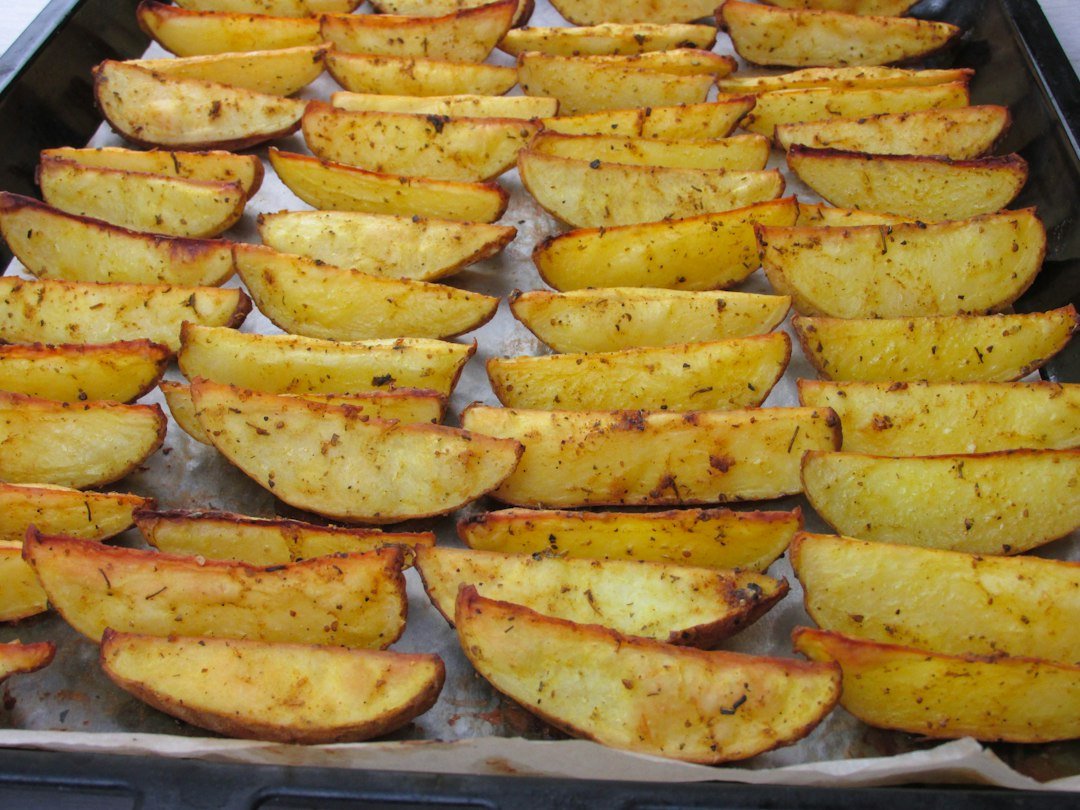
Give the pan a gentle shake to roughen the edges. Those little fluffy ridges create extra surface area, which helps the hot fat coat the potatoes and gives the oven more texture to work on. Don’t mash them to bits.
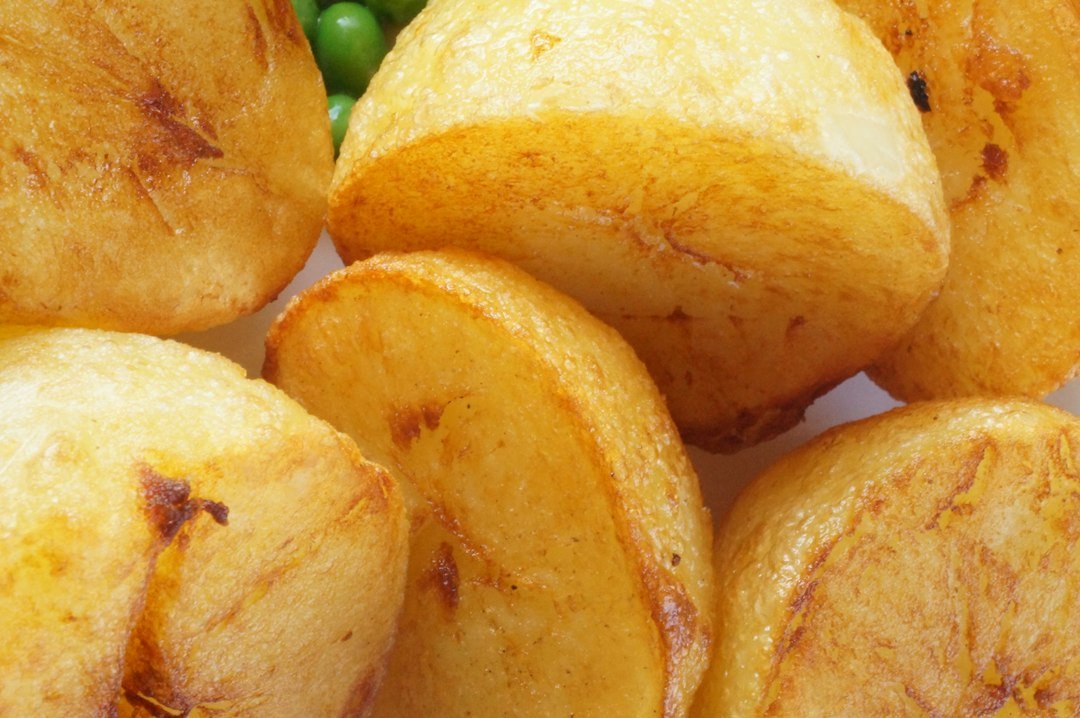
You’re roughing them up, not making potato snow.
Roast in a properly hot oven, turning once or twice as the edges colour. Goose fat, beef dripping, duck fat or a good vegetable oil can all work. The choice is yours.
Season well, and don’t be shy with the salt.
The formula is straightforward: floury potatoes, a short parboil, steam-dry, rough edges, hot fat and room to roast.
Get those right and Sunday lunch is already looking better.
Featured photograph: Karyna Panchenko / Unsplash.

Onions become sweeter and more mellow as they cook because heat softens their structure, reduces pungency and develops new flavours.
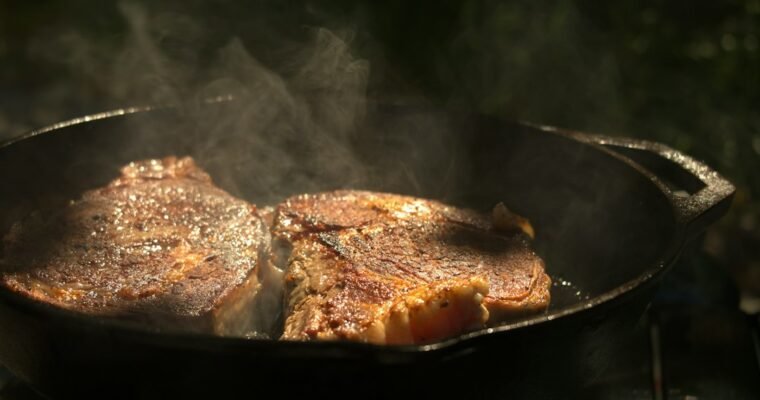
The Maillard reaction creates many of the aromas and colours we love in browned food. Dry surfaces and proper heat help it happen.
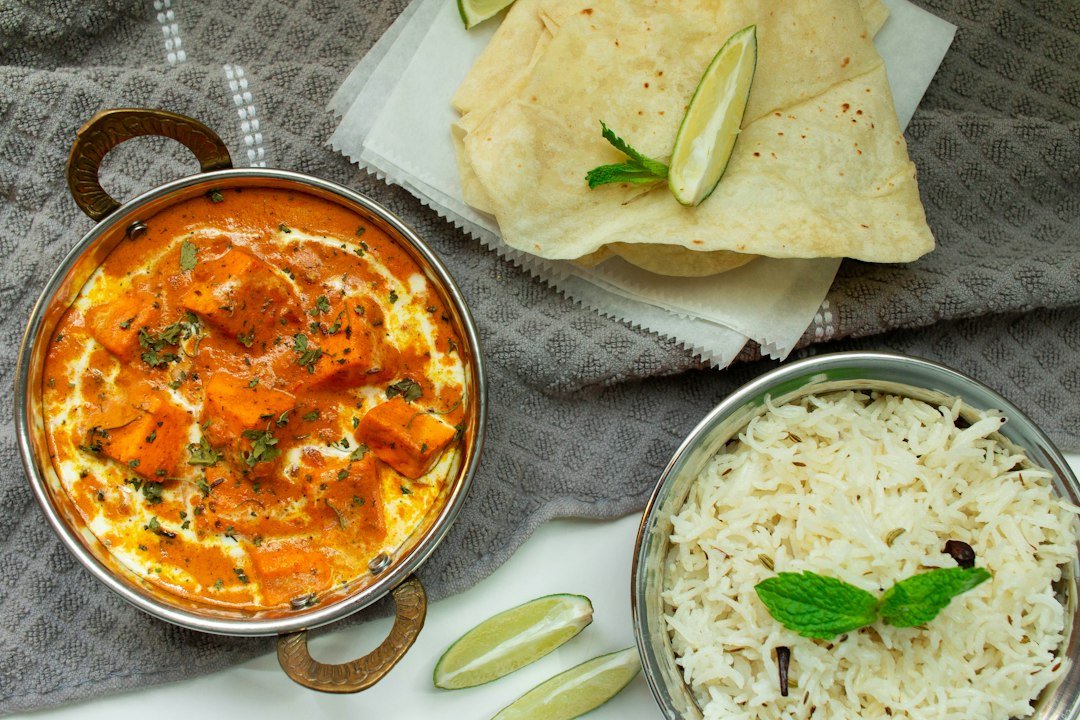
Growing up in the Midlands, I learned that ordering a curry could be a surprisingly serious business. Someone would ask how hot you wanted it, someone else would insist a proper vindaloo should make you sweat, and there was always a bloke claiming the balti down the road was the only one worth eating. Here’s the thing: these names aren’t simply rungs on a chilli ladder.
Balti is closely associated with Birmingham and the Black Country, where the British balti style became popular in the late twentieth century. It is commonly cooked and served in a small, wok-like steel bowl, also called a balti. The style has links to South Asian cooking traditions, but the Balti Triangle developed its own identity in the city’s restaurant scene.
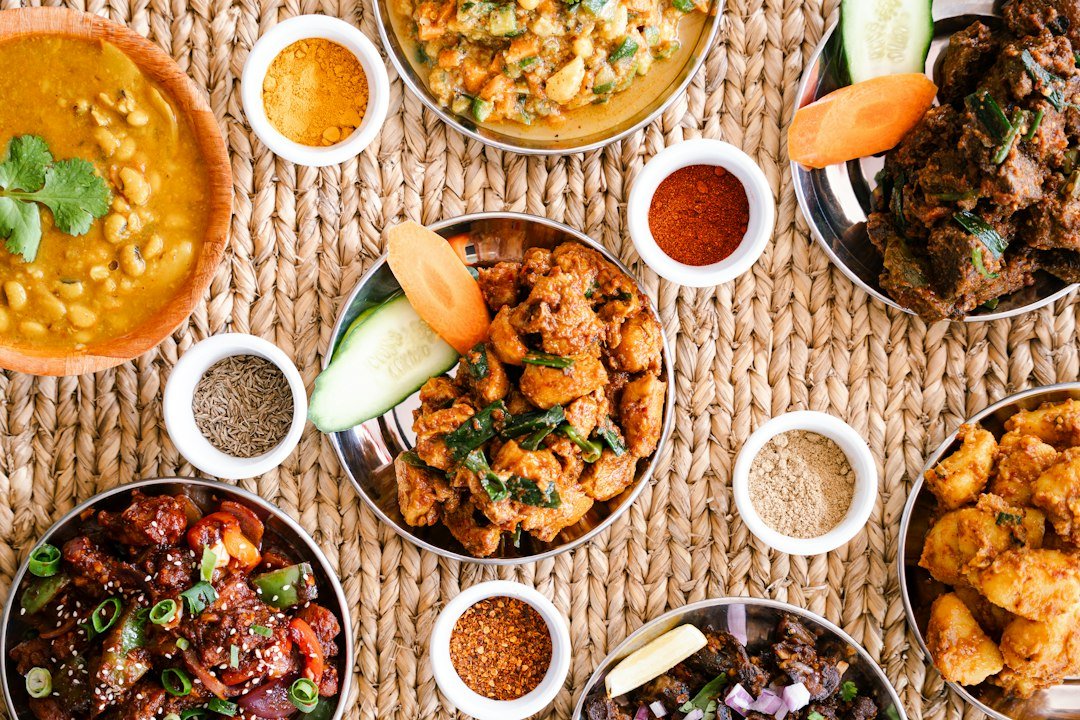
It’s a proper part of Birmingham’s food culture.
Madras is a familiar British curry-house label for a hot, red curry, often made with chilli, tomato and a robust spice blend. The name refers to the former name of Chennai, but the dish on a British menu is not one standard traditional recipe from that city. Each restaurant has its own balance of heat, acidity and sauce.
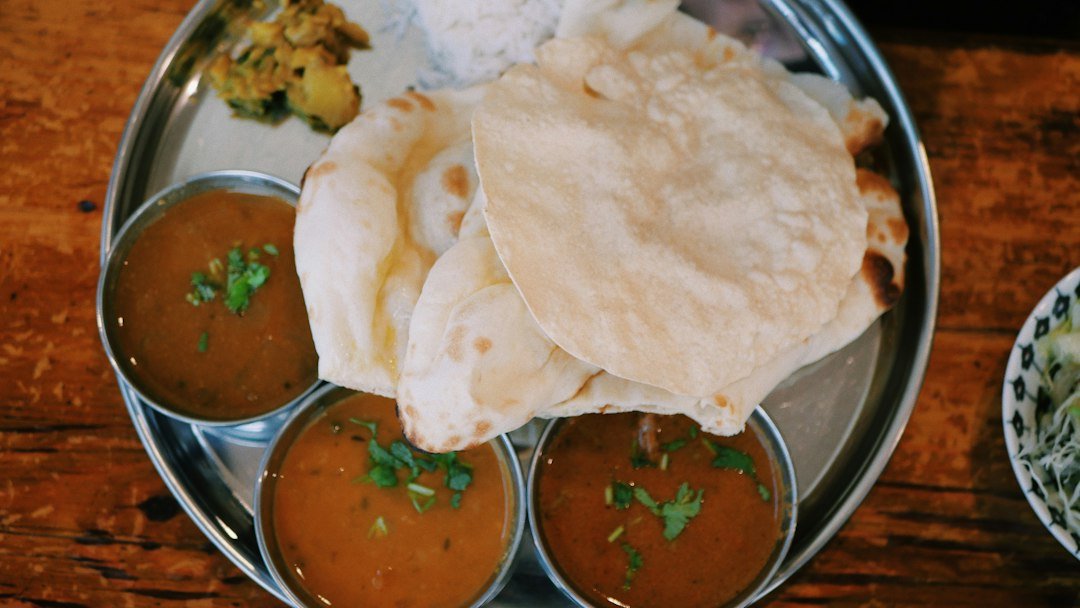
Vindaloo has roots in Goa and reflects Portuguese influence. Its name is connected to the Portuguese dish carne de vinha d’alhos, meat marinated with wine and garlic. In Goa, local cooks adapted the idea using ingredients available to them, including vinegar and spices.
The British curry-house version often became famous for its chilli heat, but that is only part of the story. A good vindaloo should have acidity, depth and flavour, not just a dare.
So don’t assume the three dishes are just mild, medium and hot. The differences are more interesting than that:
Better still, taste them.
That’s the fun bit.
Featured photograph: Kalyani Akella / Unsplash.

British Indian restaurant base gravy is a batch-cooked onion sauce that helps kitchens serve curries quickly and consistently.