Why Pakistanis Eat So Much Bread
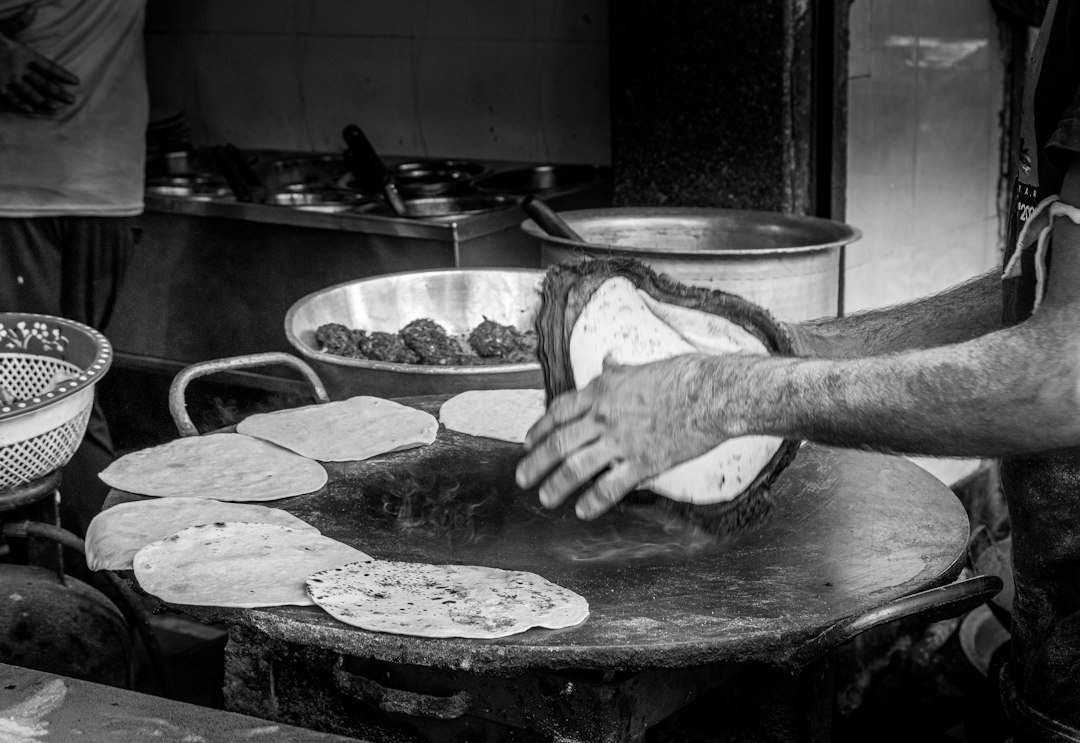
In a Pakistani meal, bread isn’t something you leave at the edge of the plate until you remember it. It’s part of the meal itself. I’ve watched people tear a warm roti, scoop up a bit of daal and use it with more skill than most of us manage with a knife and fork.
There’s a reason bread is so central. It works, it tastes good and it brings people together.
Wheat and everyday cooking
Wheat is a major staple across much of Pakistan, particularly in Punjab and other regions where wheat farming is important. Flatbreads are practical. Flour, water and sometimes salt make a dough that can be rolled and cooked quickly on a hot surface.
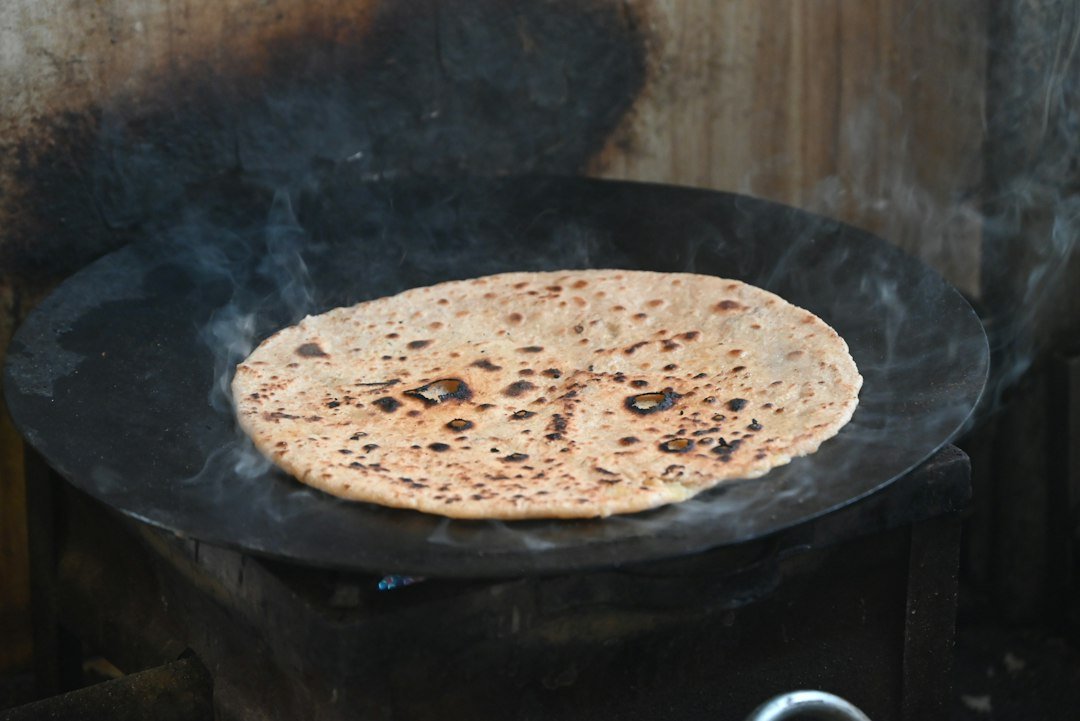
They’re filling, affordable and ideal for eating with vegetables, lentils, meat and yoghurt.
A whole family of breads
- Roti and chapati are everyday flatbreads, usually made from wholewheat flour and cooked on a tawa or griddle.
- Naan is generally leavened and traditionally cooked in a tandoor, which gives it a blistered surface and a slightly smoky flavour.
- Paratha is layered with fat and cooked on a griddle, making it richer and flakier.
- Regional variations: some breads are thicker, some are crisp, and some are stuffed with potatoes or other fillings. Kulcha has its own styles and textures, while roomali roti is thin and delicate.
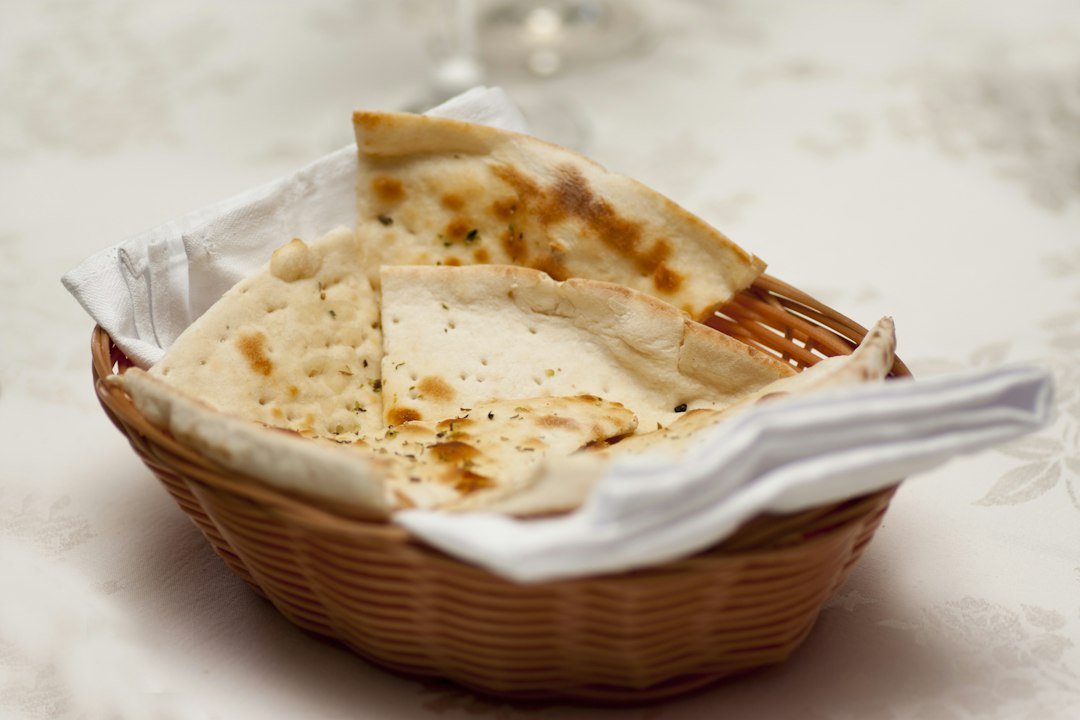
What you find depends on where you are, what the local ingredients are and what the family likes to cook.
Bread is part of how people eat
A piece of roti can be a utensil, a scoop and a little parcel all at once. It makes sense with a saucy curry, a dry vegetable dish or a bowl of daal. The bread isn’t competing with the food.
It’s helping you eat it. And a hot paratha with yoghurt and pickle is a fine breakfast, if you ask me.
The important thing is not to treat Pakistani bread as one single thing. The country has varied regions and food traditions, and its breads reflect that. Try a few, learn how they’re made and eat them while they’re warm.
That’s the best bit.
Featured photograph: Zoshua Colah / Unsplash.