Why Onions Turn Sweet When You Cook Them
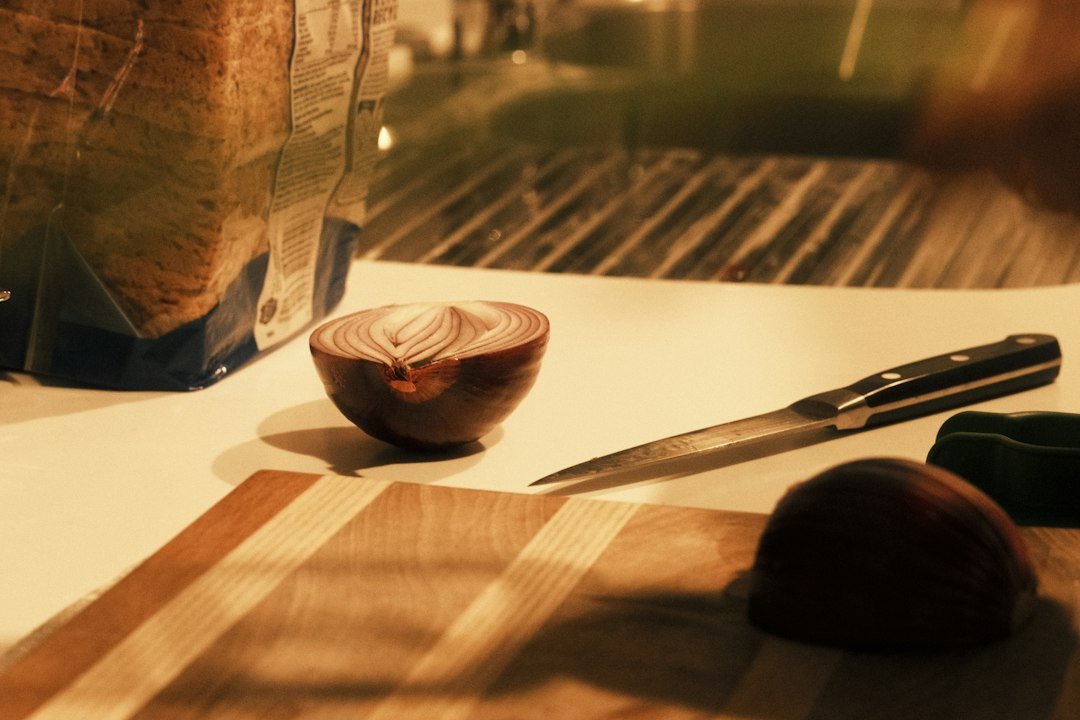
When I was younger, I thought onions were just onions. Chop them, chuck them in the pan, job done. Then I learned to cook them slowly and realised they can go from sharp and eye-watering to soft, sweet and almost jammy.
Same ingredient. Completely different personality. That’s the joy of cooking, really.
Why raw onions bite back
Onions contain sulphur-containing compounds that contribute to their pungent smell and taste. When you cut into an onion, you break its cells and allow enzymes to react with sulphur-containing precursors. That creates some of the compounds responsible for the familiar sting in your eyes and the sharp flavour on your tongue.
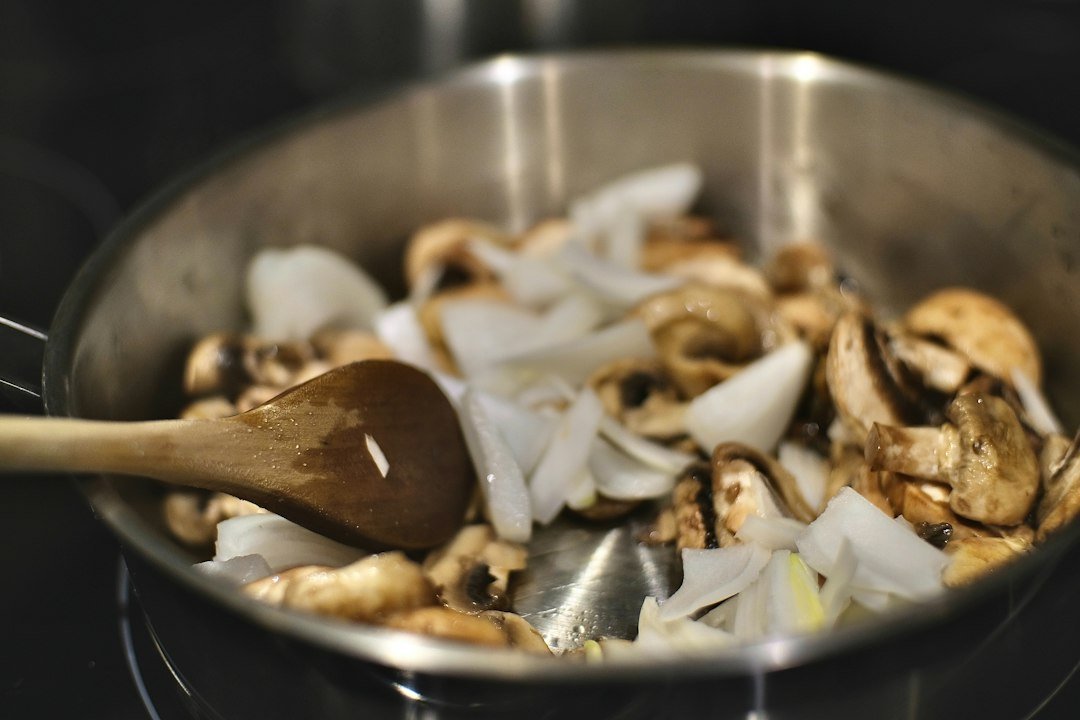
What heat does
Cooking softens the onion’s cell structure and drives off some of the volatile compounds that make it pungent. The natural sugars become more noticeable as the sharpness fades. As moisture evaporates, the flavour concentrates.
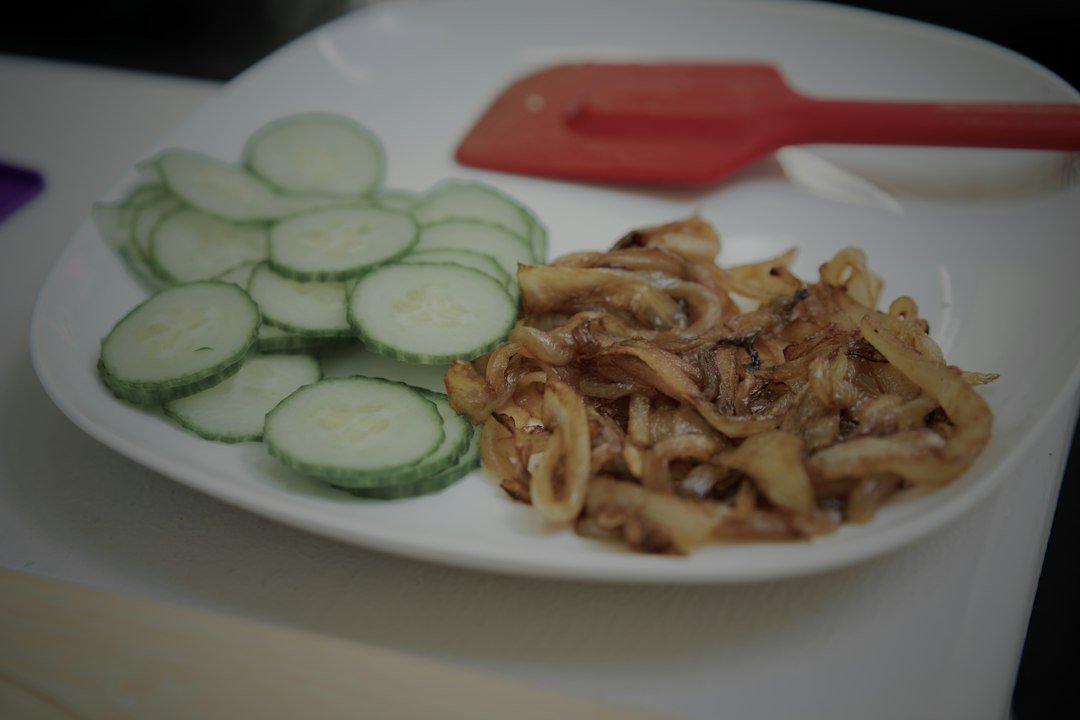
With longer cooking, browning reactions add deeper savoury notes and a richer colour.
This is why onions cooked gently for twenty or thirty minutes can taste so different from onions fried quickly for a few minutes. The slow version becomes soft and sweet, while a quick sauté keeps more bite and a fresher onion flavour. Neither is automatically better.
It depends what you’re making.
How to get the result you want
- For soft, sweet onions: slice them evenly, use a little oil or butter and cook over medium-low heat. Stir now and then. If they start catching, lower the heat or add a tiny splash of water.
- Don’t rush them: a fierce flame gives you burnt edges and raw centres, which is nobody’s idea of a good time.
- For properly caramelised onions: give them time. Simply softening an onion isn’t the same as deeply browning it; real caramelised onions take patience and attention.
And remember that onions form the backbone of an enormous number of dishes, from British gravy to South Asian curry bases.
Treat them well at the beginning and the rest of the cooking has a much better chance of going right.
A useful point to remember
Featured photograph: Jade Gray / Unsplash.