Balti, Madras and Vindaloo: What’s the Difference?
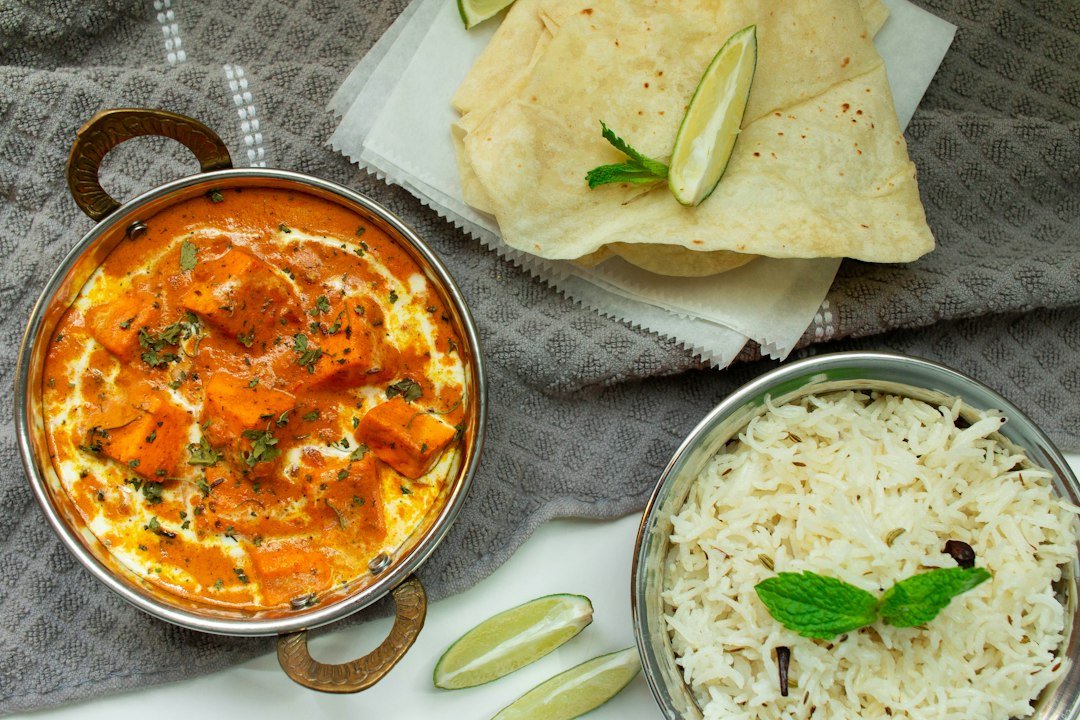
Growing up in the Midlands, I learned that ordering a curry could be a surprisingly serious business. Someone would ask how hot you wanted it, someone else would insist a proper vindaloo should make you sweat, and there was always a bloke claiming the balti down the road was the only one worth eating. Here’s the thing: these names aren’t simply rungs on a chilli ladder.
Balti and Birmingham
Balti is closely associated with Birmingham and the Black Country, where the British balti style became popular in the late twentieth century. It is commonly cooked and served in a small, wok-like steel bowl, also called a balti. The style has links to South Asian cooking traditions, but the Balti Triangle developed its own identity in the city’s restaurant scene.
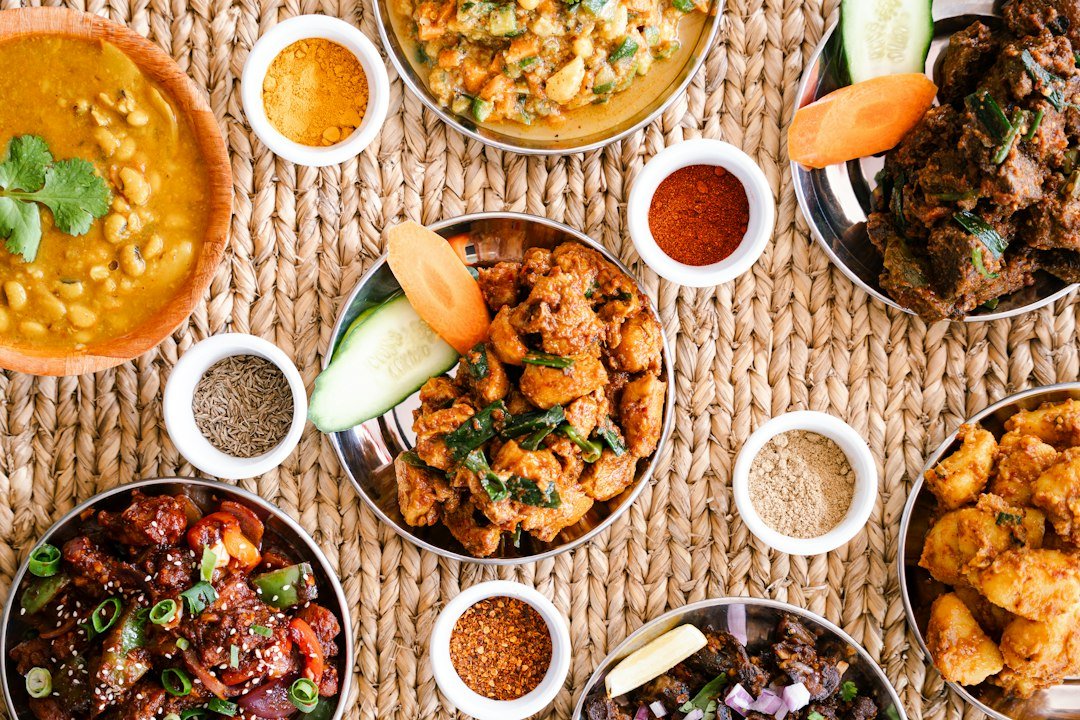
It’s a proper part of Birmingham’s food culture.
Madras: a British menu favourite
Madras is a familiar British curry-house label for a hot, red curry, often made with chilli, tomato and a robust spice blend. The name refers to the former name of Chennai, but the dish on a British menu is not one standard traditional recipe from that city. Each restaurant has its own balance of heat, acidity and sauce.
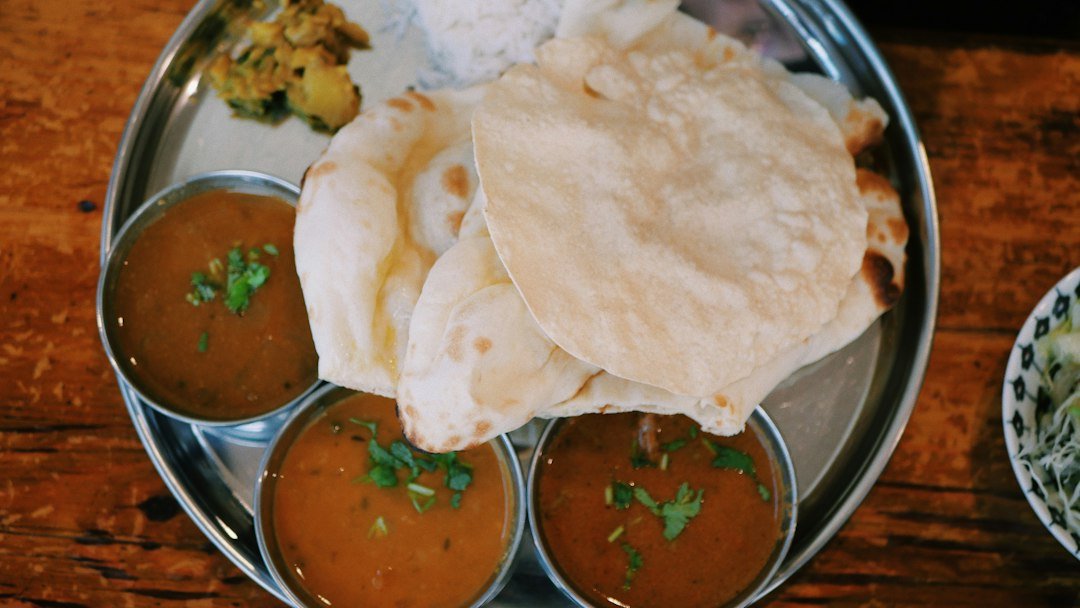
Vindaloo has a much older journey
Vindaloo has roots in Goa and reflects Portuguese influence. Its name is connected to the Portuguese dish carne de vinha d’alhos, meat marinated with wine and garlic. In Goa, local cooks adapted the idea using ingredients available to them, including vinegar and spices.
The British curry-house version often became famous for its chilli heat, but that is only part of the story. A good vindaloo should have acidity, depth and flavour, not just a dare.
So don’t assume the three dishes are just mild, medium and hot. The differences are more interesting than that:
- Balti: tied to a particular British restaurant style, especially Birmingham and the Black Country.
- Madras: a British menu convention with a place-name history and no single standard recipe.
- Vindaloo: a dish with a Portuguese-Goan story, where acidity and depth matter as much as chilli heat.
Better still, taste them.
That’s the fun bit.
Featured photograph: Kalyani Akella / Unsplash.