The Chilli: How a Mexican Pepper Conquered the World
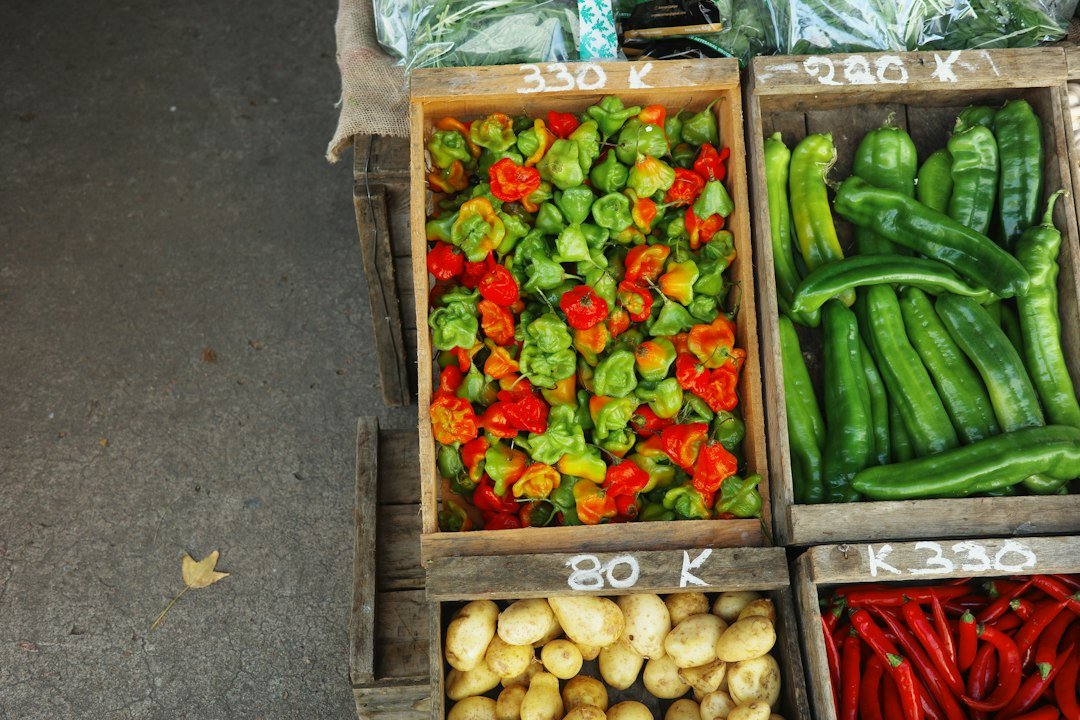
I once watched a bloke in a Midlands pub tip half a jar of chilli flakes into his curry because he thought the sauce looked a bit timid. Brave man. He spent the next ten minutes drinking lager and pretending everything was fine.
It did remind me how much we take the chilli for granted. It feels as though it has always belonged in Asian cooking, but it hasn’t. The chilli pepper started thousands of miles away in the Americas.
Before chilli, there was no chilli
People in parts of Central and South America were cultivating and eating chillies thousands of years before Europeans arrived. They used fresh peppers, dried them, ground them and worked them into sauces. There were already many varieties, with different shapes, colours, flavours and levels of heat.
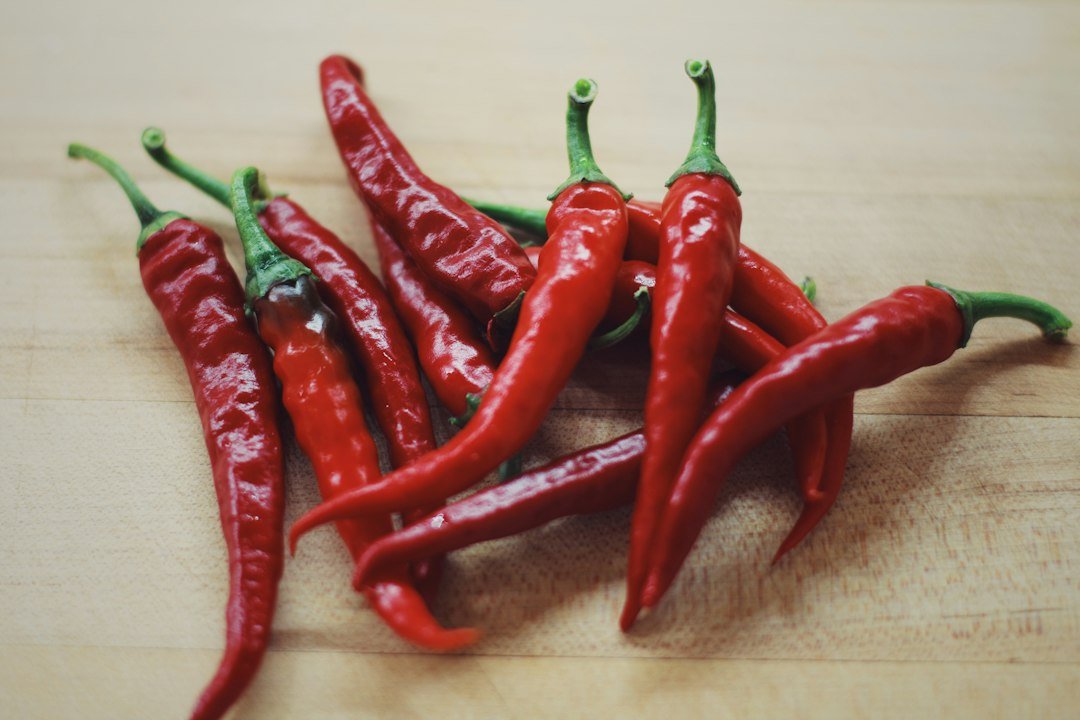
This wasn’t some new culinary fad. Chilli was part of everyday life.
How it travelled around the world
After the voyages of Columbus, Spanish and Portuguese trading networks carried chilli plants across the Atlantic and around Africa. Portuguese merchants helped introduce them to ports in India, Africa and Asia during the sixteenth century. The plants were relatively easy to grow and produced a generous crop.
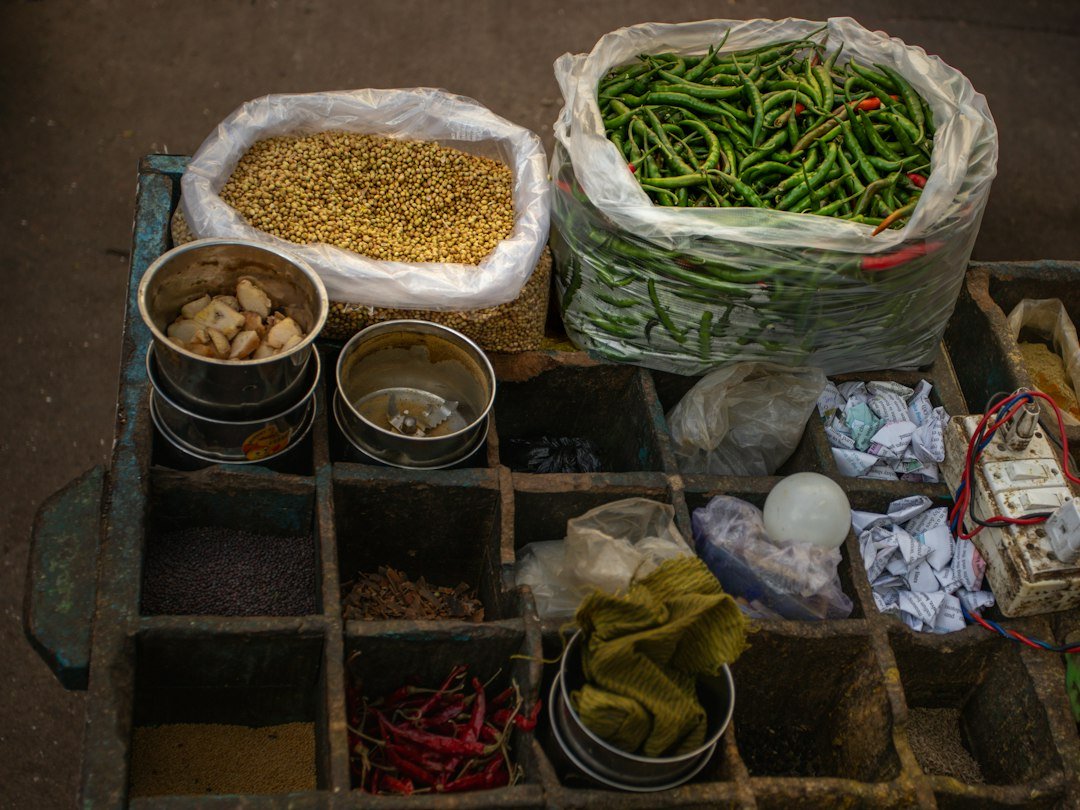
Compared with importing black pepper over enormous distances, chilli was a rather handy bit of gardening.
In South Asia, cooks took to it enthusiastically. Fresh green chillies, dried red chillies and ground chilli powder found their way into regional dishes. The same happened elsewhere, from Thailand and Korea to parts of China and Africa.
Each place made the ingredient its own. That’s how food works. Ingredients travel, people experiment, and eventually everyone argues that their version is the proper one.
Why chillies taste hot
The burning sensation comes mainly from capsaicin and related compounds. They stimulate heat-sensitive receptors in your mouth, which is why your brain thinks something is hot even though the temperature hasn’t changed. The Scoville scale is used to describe chilli pungency.
These days laboratories measure capsaicinoids more reliably than the original taste-test method. Sensible, really. Nobody needs a panel of volunteers crying over peppers.
My advice? Choose chillies for flavour as well as heat. A fruity Scotch bonnet, a smoky chipotle and a mild Kashmiri chilli powder are not interchangeable.
Start with less than you think you need, taste, then build. You can always add more.
Removing it again is rather more difficult.
Featured photograph: daniel mironov / Unsplash.